
Weekly Digest
Weekly Digest 20.10.2026 – 26.10.2026
26th October 2026: Minpromtorg proposes a “Russian breakfast” as a recognisable national menu category

The Ministry of Industry and Trade recommended that hotels, holiday resorts, cafés and restaurants serving breakfast introduce a separate “Russian breakfast” category, arguing that English, continental and French breakfast formats are widespread while regional Russian sets are not a mass phenomenon. The voluntary concept envisages dishes and products such as porridge, pancakes, syrniki, cottage cheese, local cheeses, meat and fish dishes, pies, kulibyaka, vareniki, kvas and mors (berry drink); regional and municipal authorities are encouraged to assist implementation, and the ministry plans a special emblem for participating establishments.
RIGRI's comment: The proposal seeks to embed culinary practice within a recognisable national identity. Food is treated simultaneously as cultural heritage, tourism infrastructure, and an economic channel for regional producers, thereby extending identity policy into an unusually everyday sphere. The combination of a common “Russian” label with local products also mirrors a broader state formula for creating a unified civic national frame while retaining a controlled space for regional variety. If the emblem and regional implementation become widespread, the initiative could help produce an officially recognisable culinary canon without requiring a legally mandated menu. There is also a potential financial dimension: if the right to use the official “Russian breakfast” emblem eventually requires paid certification of participating establishments, the scheme could generate additional revenue for the Ministry or its designated certification bodies at a time of broader federal budgetary pressure.
26th October 2026: Russian Production Designer Accused of Treason Dies in Custody After Returning from Ukraine
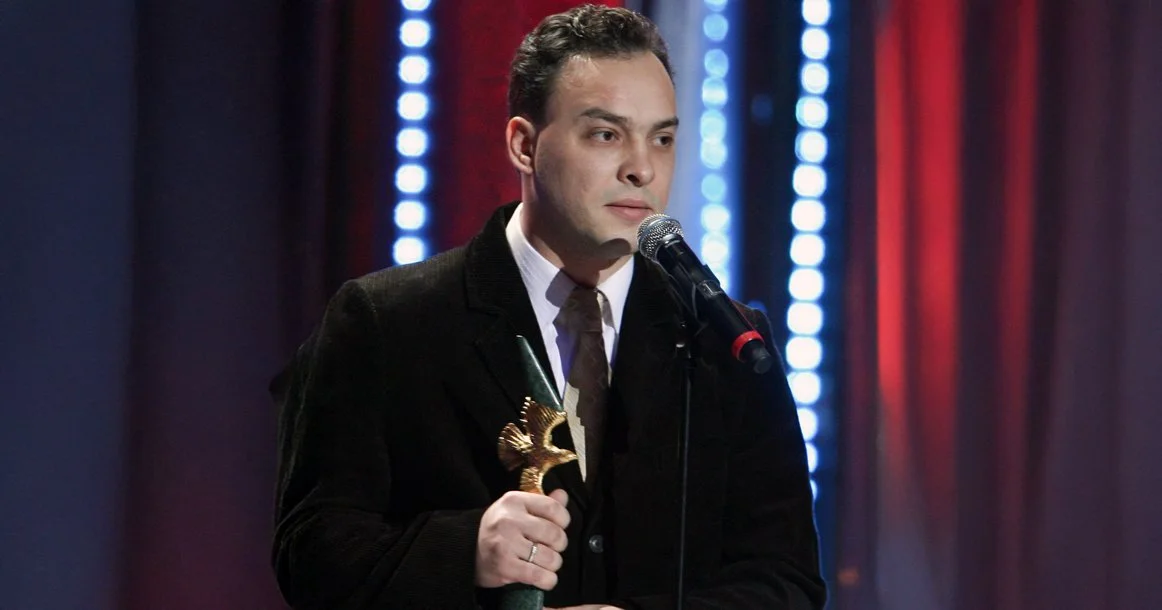
Alexander Kondratov, a 52-year-old Russian production designer known for the award-winning television series Liquidation (Likvidatsiya), died in Moscow's Botkin Hospital after being transferred from pre-trial detention on 23 October while facing charges of high treason. Having lived in Kyiv since 2012, Kondratov returned to Russia to renew his passport but was detained at Vnukovo Airport in May 2026, subjected to successive administrative arrests totalling at least 70 days, and subsequently charged with treason over at least six unspecified online publications. The cause of his death remains unknown, while human rights defenders report that he was at least the eleventh defendant in a politically motivated case to die in Russian custody since the beginning of 2026.
RIGRI's comment: The case illustrates the risks faced by Russian citizens returning from abroad, even for routine administrative purposes. The repeated use of short administrative arrests before initiating treason proceedings also highlights how minor offences can become tools for prolonged detention. The undisclosed nature of Kondratov's online publications raises additional questions about the boundaries of permissible expression and the application of national security legislation. His death warrants independent scrutiny of detention conditions and medical care, as if cruelty to the imprisoned is a state policy.
22-23rd October 2026: III International Scientific-Practical Conference “Science for Public Administration in Russia” focuses on integrating research into state decision-making
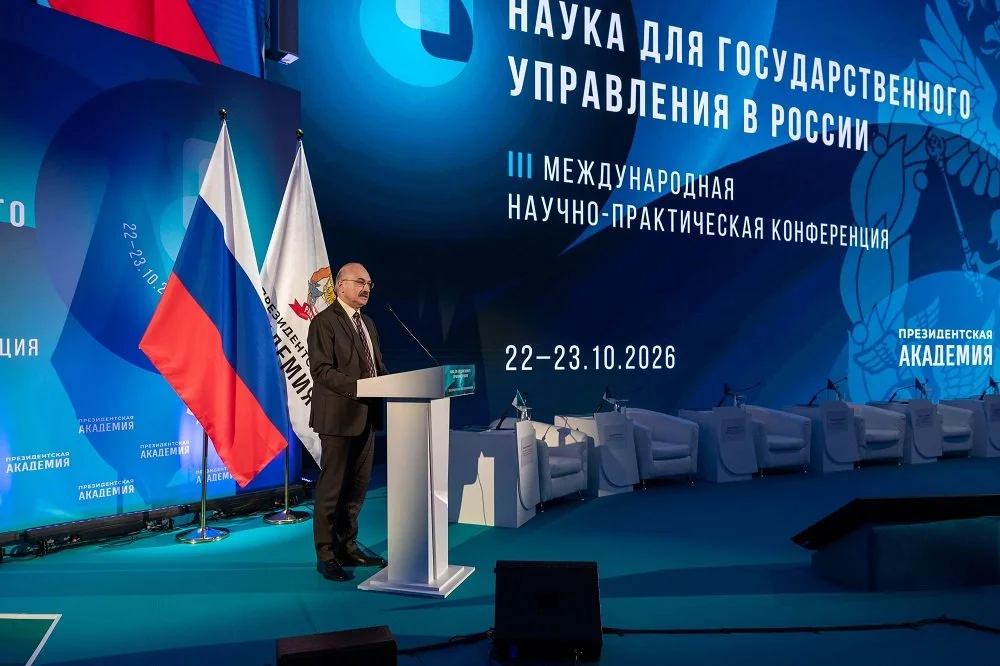
The Presidential Academy held the third “Science for Public Administration in Russia” conference on 22–23 October, with a programme covering science, governance, economics, law, international cooperation, digitalisation and social-humanitarian questions including spiritual and moral values; the published programme contained 61 sections. One concrete outcome was a cooperation agreement between RANEPA and Moscow Government University to develop training programmes around the actual needs of public authorities and conduct applied research capable of being introduced into administrative practice.
RIGRI's comment: The conference illustrates an effort to build a more research-intensive state apparatus, with universities expected to contribute directly to governance through applied research and professional training. However, similar ambitions have been discussed for two decades, while Russia’s pursuit of “technological sovereignty” remains constrained by outdated and uncompetitive domestic production, dependence on foreign technologies, and some relabelling of imported products as Russian-made to pretend the situation is improving. The conference therefore appears to represent another declaration of intent rather than evidence of substantive progress. Nevertheless, the combination of digitalisation, artificial intelligence and management with spiritual-moral values reveals an ambition to cultivate a governing elite operating within a state-defined ideological framework.
22th October 2026: Unified textbooks for “Spiritual and Moral Culture of Russia” enter the federal list
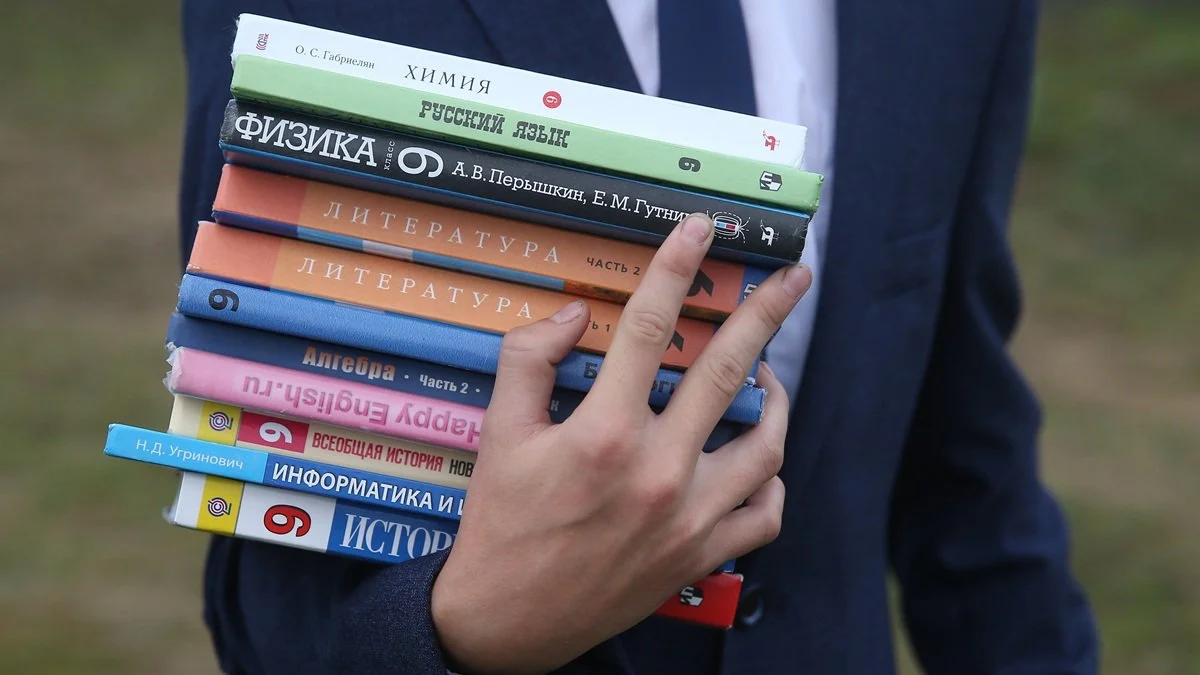
The federal textbook list added unified state textbooks for “Spiritual and Moral Culture of Russia” for grades five through seven. Fifth-graders are due to begin the subject in January 2027, with materials for grades six and seven following for September 2027. The course is organised around the 17 traditional values specified in the 2022 presidential decree, including patriotism, service to the Fatherland, strong family, creative labour, mercy, justice, collectivism and historical memory, and is officially intended to strengthen civic unity and moral orientation.
RIGRI's comment: A quick move from announcement on 21st August to a standardised pedagogical instrument. By placing the same state textbooks in the federal system and organising the curriculum around a presidentially defined list of values, authorities are making worldview formation more uniform across regions and schools. This is the school-age counterpart to the university-level Foundations of Russian Statehood: both seek to give civic belonging a structured intellectual and moral vocabulary. The development suggests that identity education is a vertically coordinated component of the education system rather than a collection of stand-alone patriotic activities.
22nd October 2026: Russian Orthodox Church Synod Tightens Clerical Discipline and Imposes Restrictions on Ukrainian Religious Identity
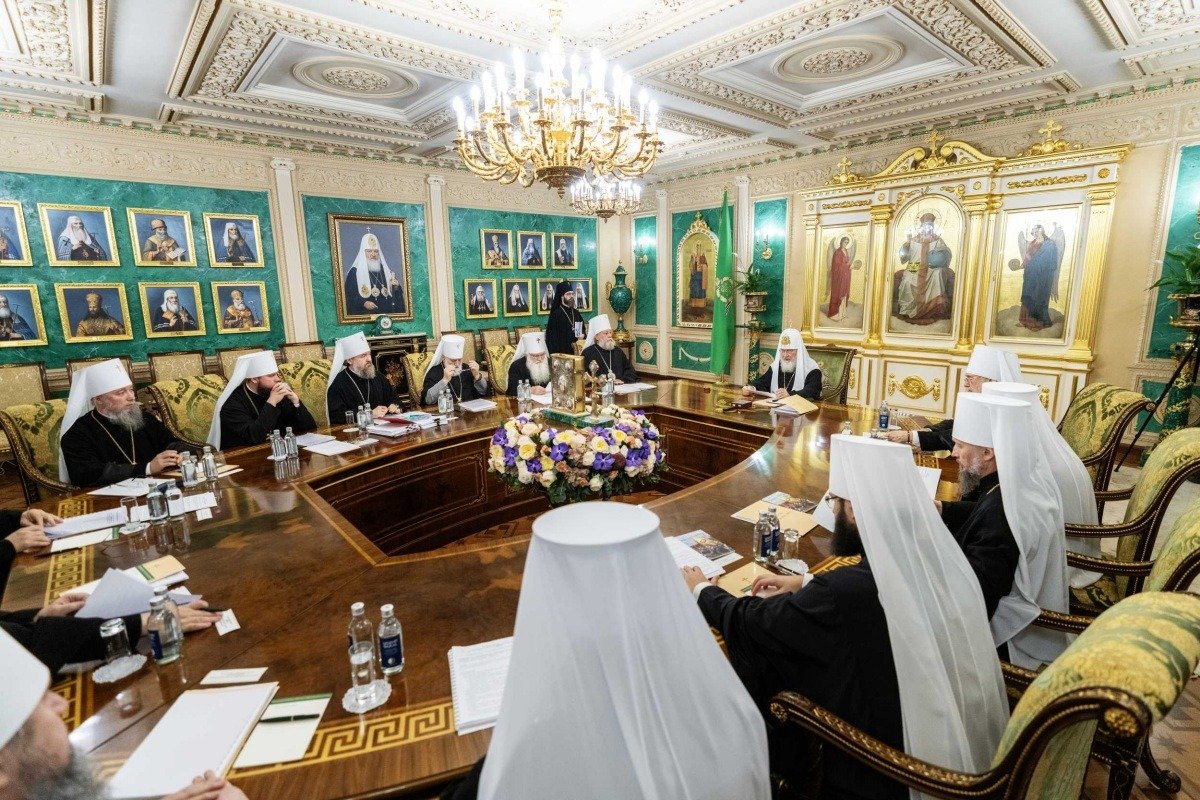
The Holy Synod of the Russian Orthodox Church (ROC), chaired by Patriarch Kirill, amended the ordination oath to prohibit clergy from making public statements that “discredit” the Church, speaking on its behalf without authorisation, or using online platforms for personal financial gain. The Synod also approved guidelines for admitting members of Ukrainian Orthodox organisations it considers schismatic, rejecting the legitimacy of the Orthodox Church of Ukraine (OCU) and characterising its recognition by Constantinople in 2018–2019 as a political act. Under the guidelines, joining congregations must conduct worship in Church Slavonic rather than Ukrainian, while individuals baptised within the designated Ukrainian organisations must undergo baptism to enter the ROC.
RIGRI's comment: The Synod's decisions illustrate the increasing centralisation of religious authority within the ROC and its convergence with Russia's broader authoritarian governance practices, particularly through restrictions on public statements that “discredit” the Church. Its rejection of Ukrainian ecclesiastical independence and selective prohibition of Ukrainian-language worship, despite permitting other languages, represent declarative instruments of political control rather than efforts to reinforce cultural identity. While similar restrictions historically accompanied Russia's direct territorial domination of Ukraine, their contemporary application appears to be an attempt to assert increasingly symbolic imperial authority, exposing the erosion of Russia's actual influence. Together, these measures reflect elements of the Russkiy Mir framework, in which shared Orthodox traditions and historical heritage form part of the Kremlin's broader global influence operations.