
Weekly Digest
Weekly Digest 26.05.2026 – 01.06.2026
1st June 2026: Putin linked state family policy to “traditional values” and said Russia would support people moving there to preserve them.

On International Children’s Day, Putin awarded the orders of Mother-Heroine and Parental Glory to parents from nine large families in the Kremlin. In remarks carried by state media, he said that in many countries, “traditional values” are being cancelled and that Russia is ready to receive people who move there to preserve them. The same day, the Social Fund and the Gosuslugi portal began accepting applications for a new annual family payment for working parents with two or more minor children. State reporting said the measure applies to families whose average per-capita income does not exceed 1.5 regional subsistence minimums, and that parents and children must be Russian citizens or permanent residents of the Russian Federation.
RIGRI’s comment: This matters because the Kremlin is continuing to define Russianness through a fusion of pronatalism, large-family prestige, and “traditional values.” Social support and selective migration are being folded into the same ideological frame of anyone loyal to the Kremlin is “Russian” without an ethno-cultural background, a deliberate policy choice.
29th May 2026: Putin used the Kazakhstan visit to elevate the Russian language and deepen Eurasian integration.
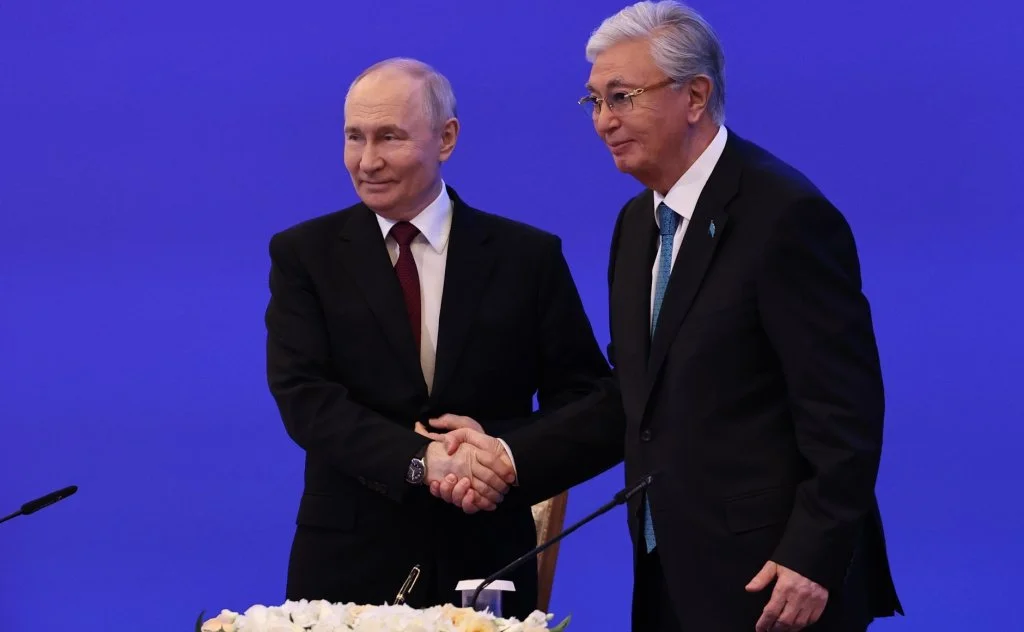
During his state visit to Kazakhstan and the Astana meetings around the Eurasian Economic Union, Putin publicly thanked President Kassym-Jomart Tokayev for support of the Russian language. Russian state and Kremlin-aligned reporting said Putin stressed that Russian remains in use in Kazakh state institutions and helps external economic ties, while the joint language of the visit also welcomed the creation of the International Organisation for Russian Language, which Kremlin material explicitly linked to Tokayev’s initiative. The visit was not only linguistic. Reuters reported that Russia and Kazakhstan also signed a roughly $16.5 billion agreement for Rosatom to build Kazakhstan’s first nuclear power plant, with Russian export credit helping finance construction. The mix of language, energy, and institutional messaging made the trip a classic Eurasian integration package rather than a narrow bilateral visit.
RIGRI’s comment: The Russian language remains one of Moscow’s core instruments for projecting influence in the post-Soviet space. While the Kremlin combines cultural influence, economic infrastructure, and bloc politics into an integrated vision of a broader Russian-centred Eurasia, countries such as Kazakhstan may accept economic assistance while preserving their cultural resilience. So far, the Russian language remains under the control of the Kremlin and its allies, and ending that would require a non-Kremlin ally to change the legislation.
27 May 2026: Law against “costumed” heroes: Russian Federation wants to fight the sale of fake awards.
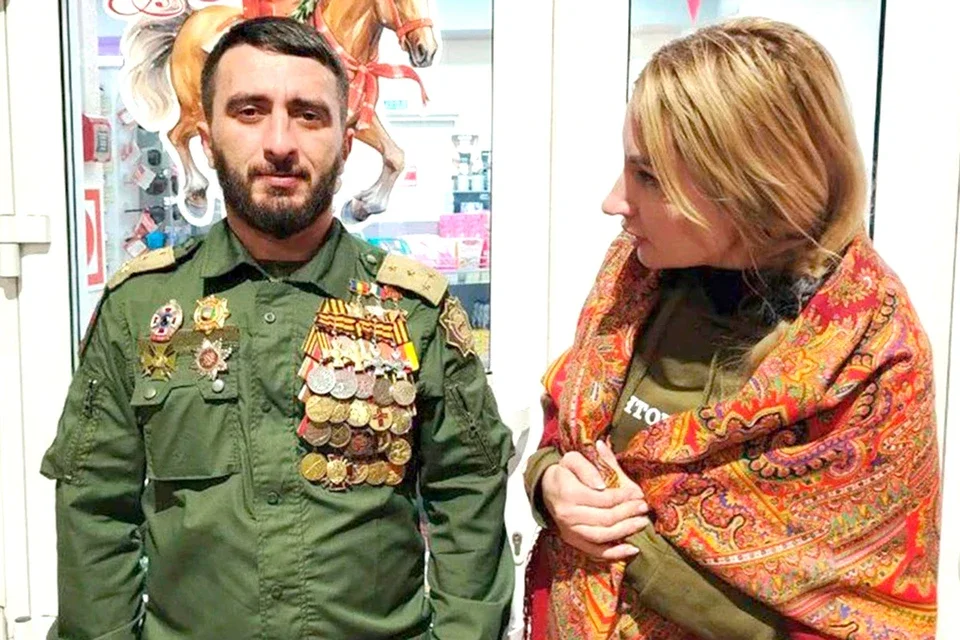
The Civic Chamber of the Russian Federation roundtable had a debate about tightening punishments for wearing unofficial or fake military awards and banning the online sale of replica combat medals. Participants argued that “fake heroes” are using medals and uniforms to gain public trust, appear at patriotic events, speak in schools, and even approach political institutions. Experts proposed creating a working group to draft clearer rules on state awards, public medals, and symbols of military glory. They also raised concerns that replicas of state awards can be bought cheaply online, weakening the meaning of genuine military service and sacrifice.
RIGRI’s comment: When the new identity that the Russian Federation has been building up for years can be undermined by replicas, it means the construct is brittle and cannot be sustained in a free society. Alternatively, the state does not tolerate competition in ‘fakes’, such as the third promise of Lugansk/Luhansk oblast control.
27th May 2026: The Russian Federation and Afghanistan signed an agreement on military-technical cooperation.
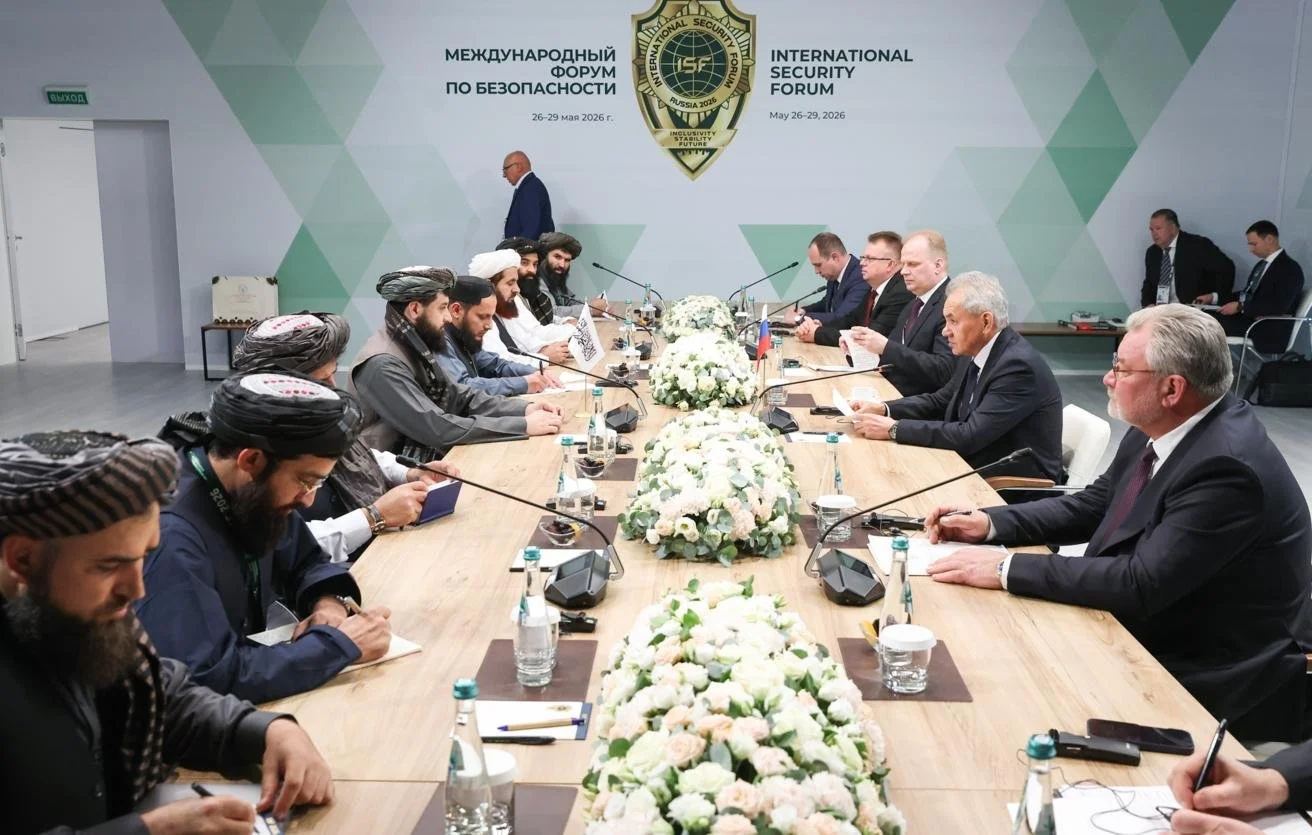
The Russian Federation and Afghanistan signed an agreement on military-technical cooperation at an international security forum in Russia, though the terms were not disclosed. The deal is connected to Russian security concerns: FSB chief Alexander Bortnikov warned on 26 May 2026 about drug labs and trafficking routes from Afghanistan into Russia, while also saying cooperation with the Taliban could help address those threats. Previously, Kabul had discussed sending Afghan labour migrants to Russia, with language described as the main obstacle, and that Russia’s Supreme Court had earlier suspended the ban on the Taliban’s activities in Russia.
RIGRI’s comment: The Russian Federation is deepening cultural and economic cooperation with the radical Taliban regime, which is considered inhumane in most countries around the world. The Taliban benefits from this breach of diplomatic isolation, while the benefit for Russia remains unclear. By establishing Russian language classes, Afghanistan may become another source of migrant workers, rivalling other Central Asian states.
Weekly Digest 19.05.2026 – 25.05.2026
25th May 2026: The Russian Federation will appeal to the International Court of Justice to protect Russians in the Baltic States
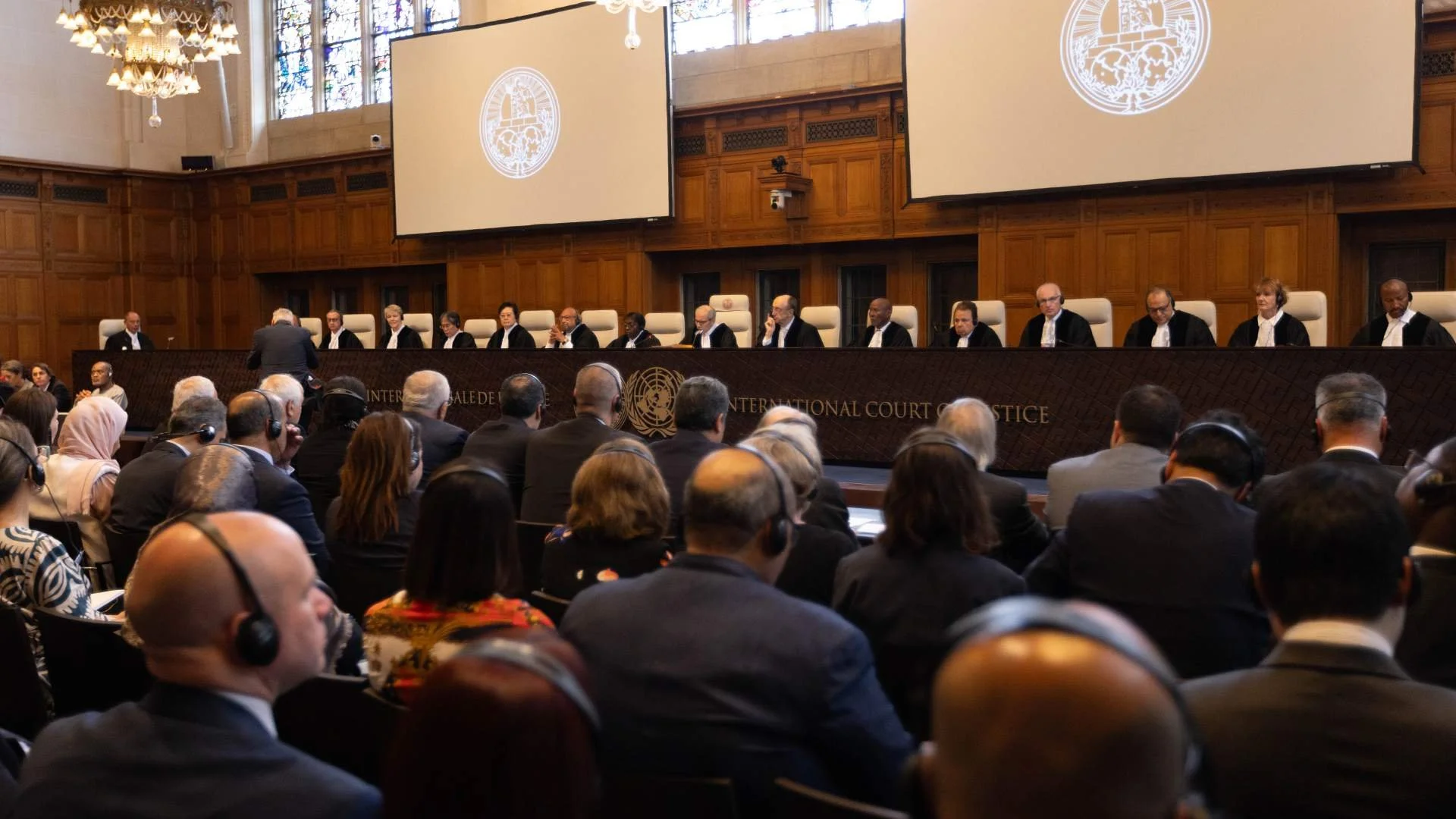
The Russian Federation plans to take Latvia, Lithuania and Estonia to the International Court of Justice, claiming they discriminate against Russians and Russian speakers and have ignored Russian attempts at negotiation. The Kremlin alleges restrictions on the Russian language, education, media, historical memory, and political activity, highlighting the imprisonment of Latvian Russian activist Aleksandr Gaponenko as an example. Experts expect any ICJ case to take years and perhaps have limited legal prospects. Yet the Kremlin sees it as a way to internationalise the issue and support the repatriation of Russians from the Baltic states.
RIGRI’s comment: After 2021, the Kremlin is starting to use a rhetoric of protecting “compatriots” abroad. Alongside claims of a security threat, it starts to resemble a preparation for an action in the Baltic states. The Russian Federation may be prepared to launch aggressive action against the Baltic states once it has both the means and the intent. This declaration can be viewed as evidence of that intent.
25 May 2026: The Duma moved toward second reading of the bill punishing exiled Russians for acts “against Russia’s interests.” (It was passed on 26th May)
The bill’s direction became clearer over two steps during the week. On 22 May, the Duma’s state-building committee recommended the bill for second reading and that the text now contained a more explicit list of covered administrative offences. On 25 May, the Duma Council had scheduled second-reading consideration, and that property arrest would be available as an interim enforcement measure. The offences described in Russian reporting include violations connected to “foreign agents,” media abuses, incitement, “discrediting” the armed forces, calls for sanctions, and actions deemed to threaten Russia’s territorial integrity. The revised text specified that a court would decide on property arrest.
RIGRI’s comment: An extension of administrative control over the diaspora to discourage activism if there is any property left in the Russian Federation. The fact that the bill was passed a month earlier indicates that it is a priority for the Kremlin.
20th May 2026: The State Duma debated Tuva's decision to award the Order of Subutai to SMO soldiers.
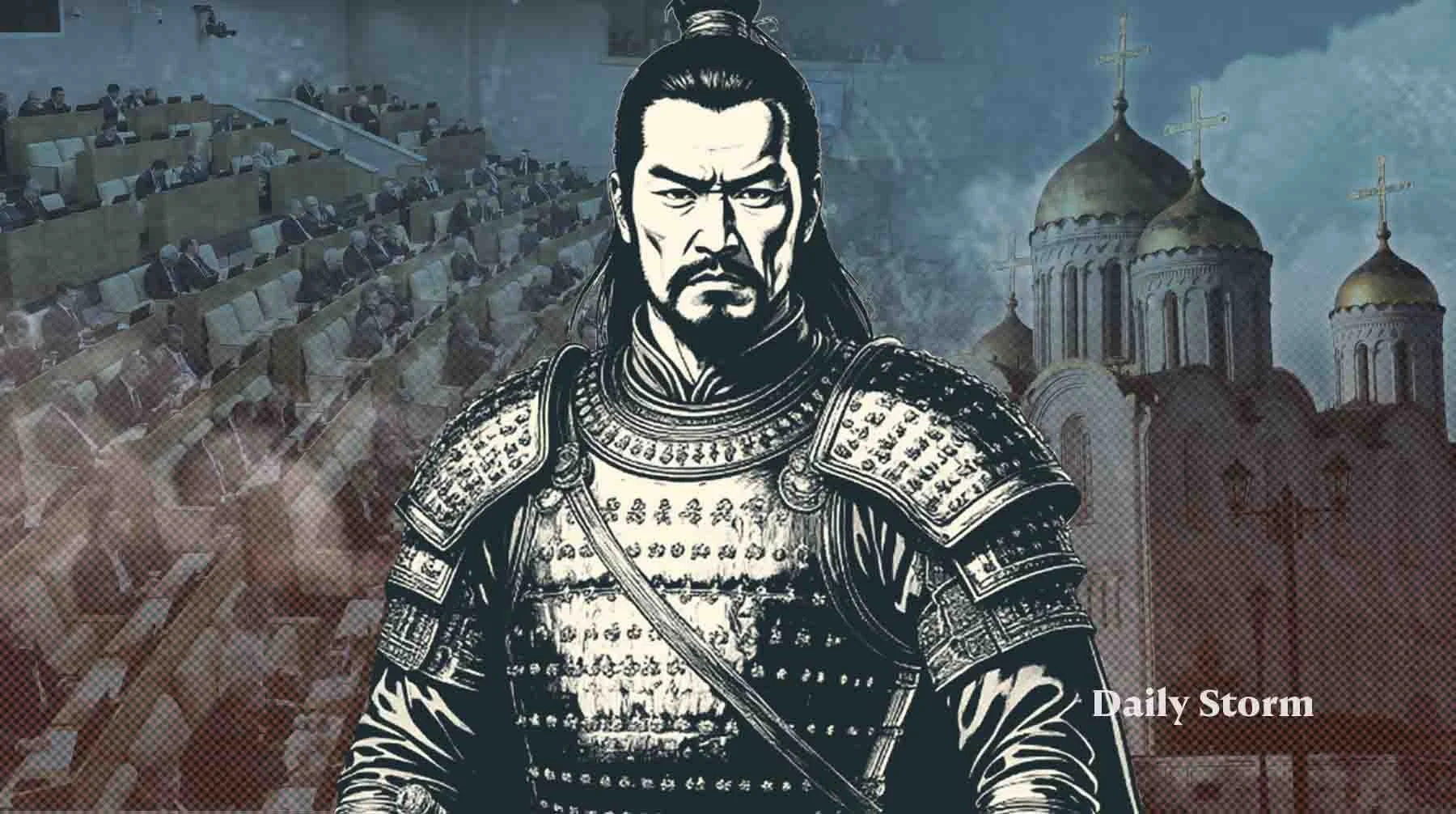
Tuva’s decision to create an Order of Subutai/Subedei for soldiers fighting in Russia’s “special military operation” sparked disagreement in the State Duma. Critics argued that the award glorifies a Mongol commander who helped devastate medieval Rus’. At the same time, supporters said he can be considered a regional hero for Tuvans and that Tuva, as a part of the multinational Russian Federation, has the right to name its own awards. A historian described Subedei as one of history’s most effective commanders, greater than Napoleon and Alexander the Great, while noting that using his name in today’s Russia raises questions because he fought against and destroyed Russian cities.
RIGRI’s comment: The Russian Federation not only deprives its citizens of political rights but also imposes a contradictory vision of the past. An award named after a historical commander who massacred ethnic Russians raises questions about why the government portrays such actions as heroic. It also shows how an attempt to construct a unified history without contradictions can only be done through the neglect of contradicting facts.
20 May 2026: Putin and Xi issued a sovereignty-first declaration in Beijing as reports of covert Chinese training for Russian troops sharpened questions about military dependence.
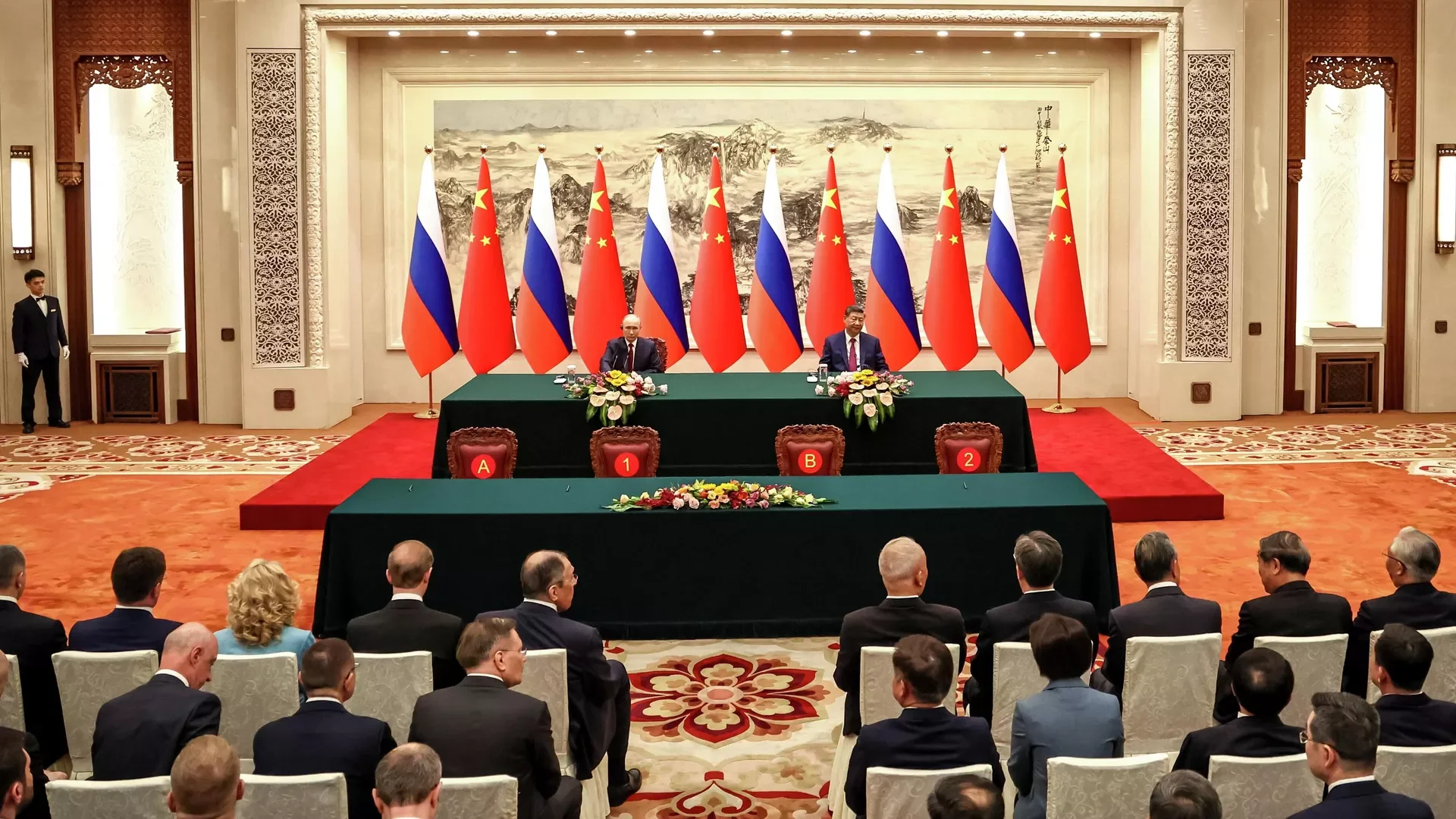
China supported Russia’s efforts to defend its sovereignty and territorial integrity and opposed external interference in Russia’s internal affairs. The declaration covered a wide range of areas of cooperation and reiterated shared opposition to “hegemonism and unilateralism,” while noting that no major new gas breakthrough was achieved despite Russian hopes for progress with Beijing. The summit has yielded more than 40 cooperation agreements across trade, media, and technology, while publicly reaffirming the strategic partnership. But the week also produced a much more sensitive shadow story. Reuters reported on 19 May that around 200 Russian military personnel had secretly trained in China in late 2025 under a bilateral agreement, with some later returning to fight in Ukraine. The Kremlin rejected the story as false.
RIGRI’s comment: Despite no noticeable progress on additional gas supplies, the Russian Federation and China continue to align. China continues to profit from Russia’s wartime dependency and uses Russian military experience to train its troops, preparing for a potential conflict.
Weekly Digest 12.05.2026 – 18.05.2026
18th May 2026: Russian gymnasts regain the flag and anthem in international competition

On 18 May, the Federation of Gymnastics of Russia announced that World Gymnastics had decided the previous day in Sharm el-Sheikh to allow Russian gymnasts to compete under the Russian flag and to the Russian anthem. The federation said the ruling covers all five disciplines under its umbrella: artistic gymnastics, rhythmic gymnastics, trampoline, acrobatics, and aerobic gymnastics. The federation also set out the return schedule, saying Russian athletes would appear with national symbols at upcoming World Cup and championship events, beginning with acrobatics in Bulgaria and Azerbaijan. Athletes from the Russian Federation had been suspended by the international federation in 2022 and later admitted only in neutral status, making this week’s decision a meaningful symbolic reversal.
RIGRI’s comment: The return of official symbols in sport signals a waning support for the international isolation effort. It also indicates a shift in the perception of Russian soft power. While Western states tend to separate culture and sports from politics, the Russian Federation does not, using the performance of its athletes as a tool of soft power. In addition, previous efforts to isolate and diminish Russian soft power by creating alternative centres of Russian culture and sports failed due to a lack of financing and political will among Western countries.
13th-17th May 2026: Moscow restricts publication of drone-strike and terror aftermath
Moscow’s anti-terror commission introduced restrictions on publishing text, photo, and video material showing the aftermath of terrorist attacks and drone strikes in the capital. Kommersant reported that the rule bars authorities, media, emergency services, organisations, and individuals from publishing such information until official releases appear from the Russian Defence Ministry, the mayor, or the Moscow government. It also specified fines for citizens, officials, and legal entities. The measure became especially salient almost immediately. On 17 May, Meduza reported that Moscow and the surrounding region faced what Ukrainian sources described as the largest drone attack on the capital region since the full-scale war began, with official Russian reporting citing three deaths, sixteen injuries, and damage to homes and oil facilities.
RIGRI’s comment: Formalisation of an information control in an attempt to maintain a centralised control over the narrative. The problem with that control is that, without fully banning Internet access, it is impossible, as news and images of drones were published in other media.
13th May 2026: Putin reshuffles leadership in Belgorod and Bryansk
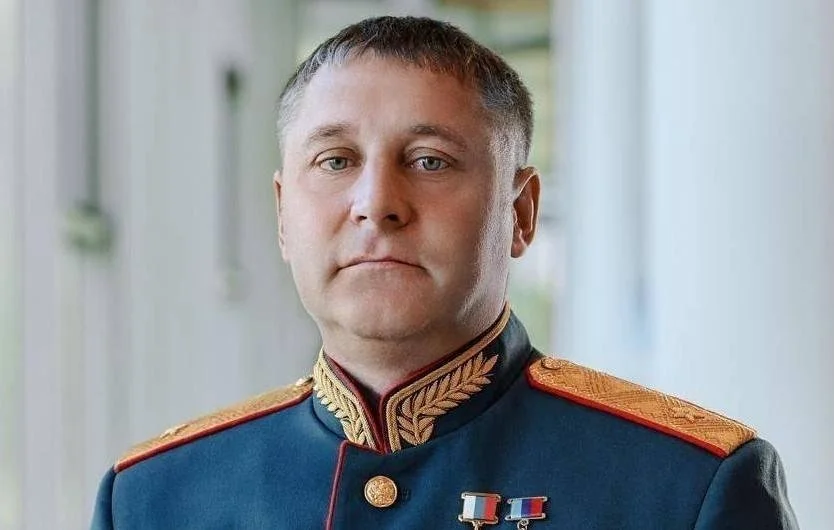
On 13 May, the Kremlin announced that Alexander Shuvaev was appointed acting governor of Belgorod Oblast and Yegor Kovalchuk was appointed acting governor of Bryansk Oblast. Putin met both new acting governors, and a separate note described Shuvaev as a native of Belgorod Oblast, a Hero of Russia, and a lieutenant general. The timing mattered because the two regions are central to Russia’s war-adjacent domestic management. It was also reported that the previous governors left office the same day, while broader reporting during the week continued to track drone and strike incidents in the border belt, underscoring the security burden on these administrations.
RIGRI’s comment: Simultaneous appointments in two sensitive border regions show the Kremlin treating regional leadership as part of a war effort. In addition, it is an experiment of using military leadership in civil positions. Using decorated and security-marked figures in front-line regions projects the image of a mobilised patriotic order organised around defence and loyalty.
12th May 2026: Rosmolodezh (Federal Agency for Youth Affairs) tenders a youth platform for “moral and spiritual development” and behavioural analysis
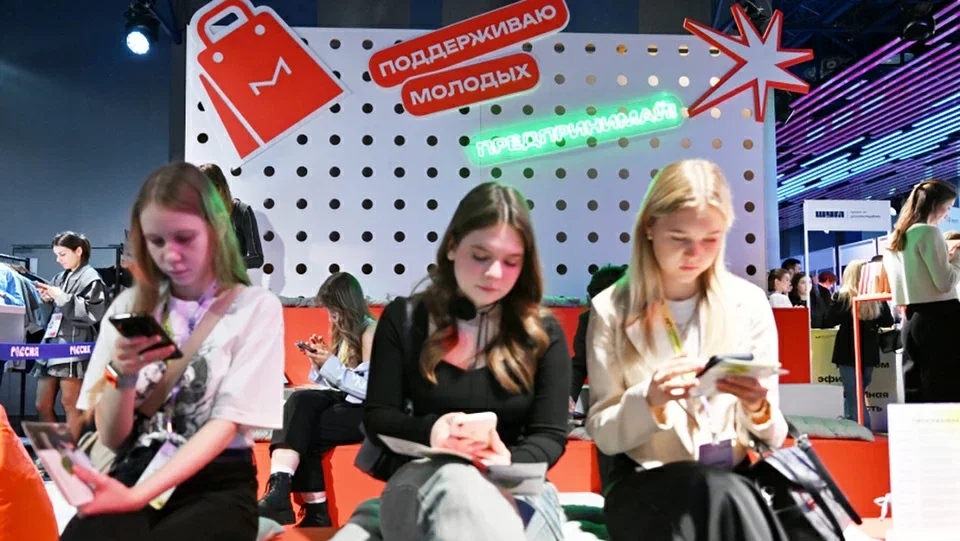
Rosmolodezh plans to spend 95.6 million Rubles on a unified system for communicating with teenagers and young people through email, direct messages, VK groups, the Rosmolodezh chatbot, the “Max” messenger, and a voice support line. The declared goals include support in “life situations” and the “comprehensive moral and spiritual development” of adolescents. The same report said the platform is intended to help involve youth in politics, communicate with citizens on preserving and strengthening traditional Russian spiritual values, and collect and analyse topical requests, thematic trends, and behavioural patterns among young people.
RIGRI’s comment:
The state is trying to institutionalise “traditional values” not only through schools and media, but through continuous digital interaction with the youth. The same platform is designed both to shape norms and to monitor trends and behavioural patterns, blurring the line between surveillance, education, and political mobilisation. Kremlin wants to shift to a totalitarian model in the future, but it is not sure how. This is but one of many experiments, alongside the creation of ‘pentabasis’ as a foundation of that mobilising ideology.
Weekly Digest 05.05.2026 – 11.05.2026
9th May 2026: Victory DayParade on Red Square
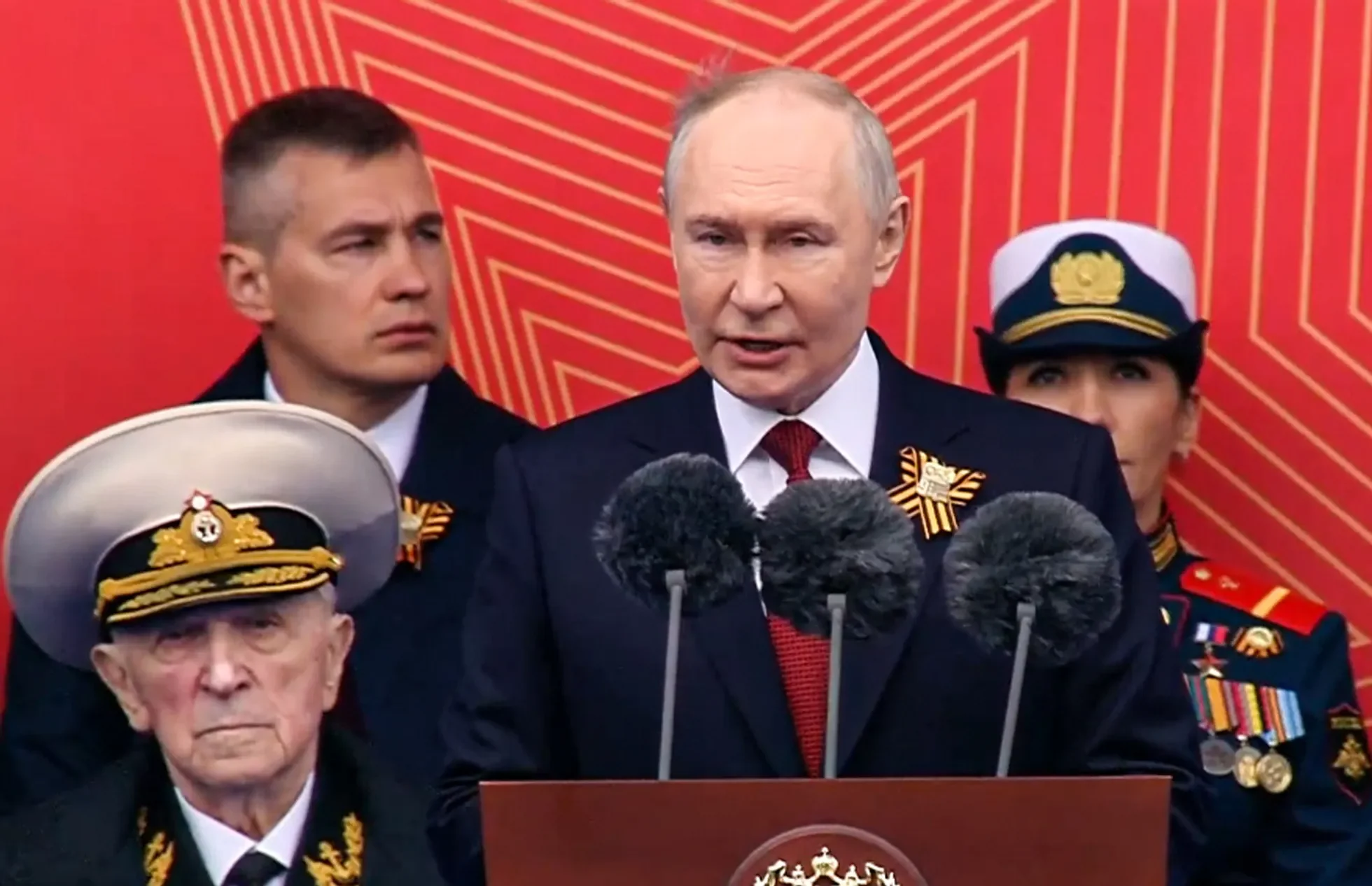
At the centre of the week were the Red Square parade and Vladimir Putin's speech. In Russian-language summaries, he treated Victory Day not simply as remembrance but as the state’s main moral frame: a “sacred” holiday, proof that the Soviet people saved both their country and the world, and a model for how Russia should think about war, sacrifice, and public duty in 2026. Explaining the decision to remove military hardware from Red Square, he said that it was taken not only for security reasons, but also because the armed forces should focus on the war effort. This was the first Moscow 9 May parade without military hardware since 2007. He then moved from 1945 to the present war, saying Russian fighters now oppose an aggressive force armed by NATO, and that victory is made both at the front and in the rear by soldiers, workers, clergy, and volunteers. The ending claim that the Russian people can endure any trial made the speech the clearest articulation of the week’s official identity formula: historical continuity, national stamina, and wartime unity.
RIGRI’s comment: This is how the Kremlin now defines Russianness: through victory memory, sacrifice, and endurance under war conditions. It explicitly bound World War II memory to the current war in Ukraine, which is the core ideological move behind the Russian Federation’s politics, education, and ritual. Reduced hardware presence exposed the tension between triumphalist state mythology and the practical constraints imposed by an ongoing war. The Kremlin is trying to preserve symbolic prestige even when parts of the ritual must be scaled back. Beyond Moscow, Chita introduced wives and mothers of participants in the war with Ukraine as a part of the parade.
9th May 2026: The Immortal Regiment was broadened, digitised, and folded into the Ukraine war
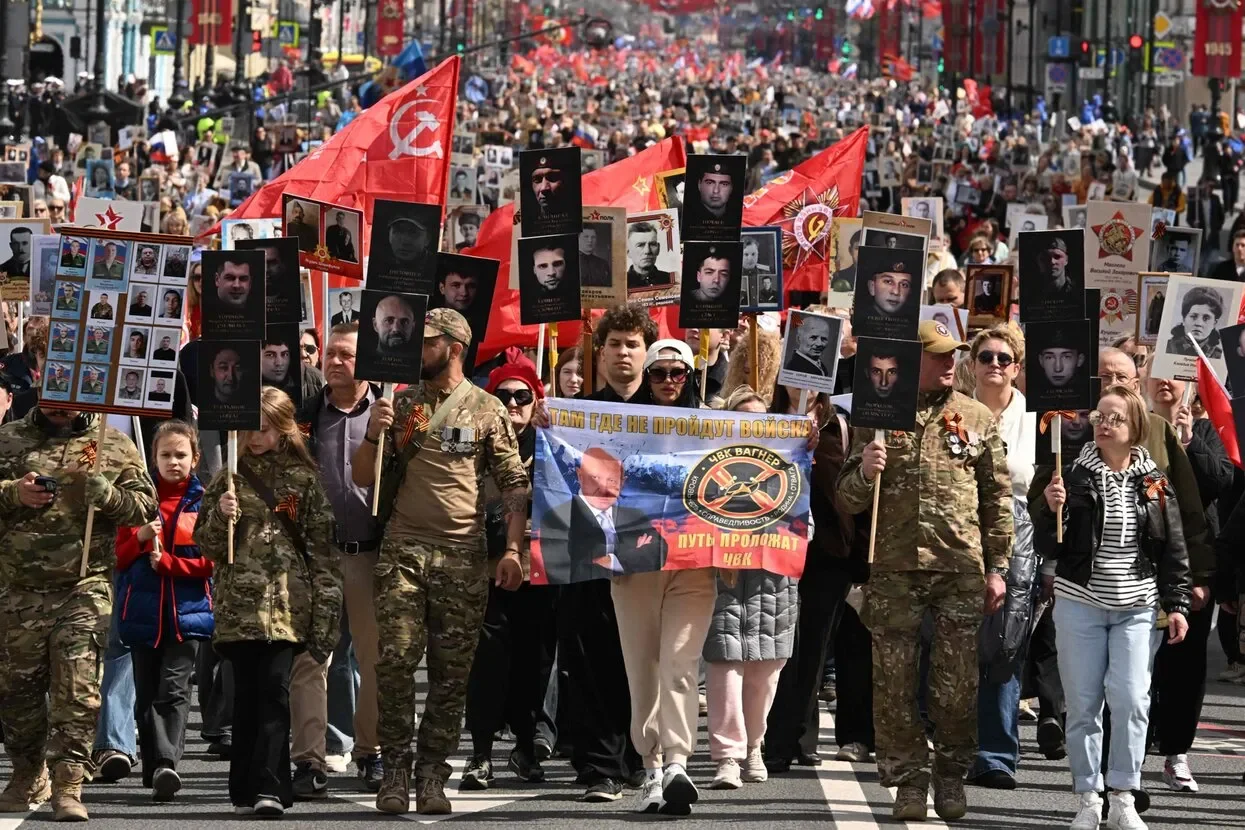
Official organisers said the Immortal Regiment (a non-governmental march originating to honour fallen WW2 relatives) would go ahead “in any circumstances,” with regions deciding whether to hold traditional marches or move remembrance into online streams, transport, schools, stadiums, and other formats. They also insisted the action could happen only on 9 May, preserving the date’s ritual centrality even as the format became more flexible. In St. Petersburg, one of the few major cities where an in-person march went ahead, independent reporting showed portraits of soldiers killed in Ukraine carried alongside images of Soviet veterans, including portraits of Yevgeny Prigozhin and Wagner fighters. This was one of the clearest examples of how the old civil commemorative ritual is being repurposed to absorb the memory of the post-2022 war.
RIGRI’s comment: After being fully co-opted by the state, the Immortal Regiment is an extension of the state memory politics, using the WWII memory, which is being re-engineered to include today’s casualties and combat symbols. In a sense, Prigozhin and portraits of other inconvenient war participants show why the demonstrations were mainly not public: a lack of narrative control.
7th May 2026: "Is it not customary to apologise to the Russians?": KVN joke turned into a lawsuit against Channel One

A Russian opera singer, Sergei Moskalkov, sued Channel One after a KVN comedy segment joked that one downside of Moscow was “too many Russians.”
He argues the remark insulted Russians as a national and cultural community, harmed his dignity as a Russian and Moscow resident, and is seeking 300,000 Rubles in moral damages.
The joke triggered outrage among military-patriotic bloggers, activists, and a State Duma deputy. The university, represented by the KVN team, called the joke “extremely unsuccessful” and promised an internal follow-up.
RIGRI’s comment: This joke was made this year, after numerous years of censure and increasing restrictions, meaning the joke is okay under the current system of the Russian Federation.
6th May 2026: Migration policy shifted further toward police recruitment and biometric screening
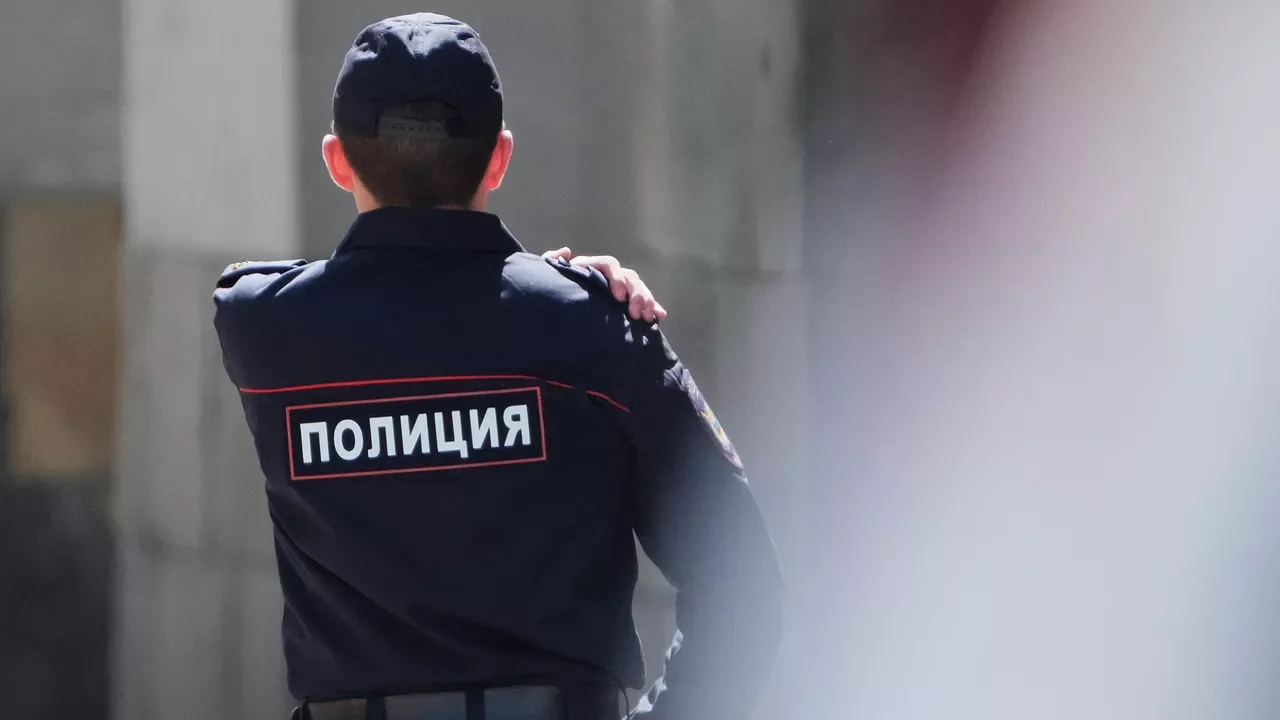
Government meeting materials for 6 May stated that a draft law was intended to improve migration policy by transferring selected powers to the Interior Ministry. This would allow the ministry to control profession lists that determine which skilled foreigners can obtain work advantages and residence pathways, moving migration governance further away from a labour-market logic and closer to a security-administrative one. On the same day, RIA reported that the Interior Ministry had proposed a 2027–2030 experiment in organised recruitment of foreign labour. The plan includes migration hubs for initial placement, medical checks, genomic registration, identity cards, and fixed-term contracts only. Taken together, these proposals point to a model of labour migration managed through surveillance, selection, and police oversight.
RIGRI’s comment: Migration is one of the most sensitive intersections between labour demand and security discourse. The shift toward Interior Ministry control shows an adoption of the Dubai approach of migrant restrictions and an inability to change legal status. However, that only affects migrants outside of the former Soviet Union.
5th May 2026: The government approved a youth-control package against “destructive behaviour”

The government approved a 2026–2030 package to prevent what it calls negative social phenomena or destructive behaviour among children and young people. The document, published at the official legal portal, includes cyber squads and media patrols in secondary and higher education. The package goes further than internet monitoring. It includes identifying minors allegedly preparing actions that could destabilise the situation and sharing that information with the Interior Ministry; establishing rapid inter-agency mechanisms to restrict the dissemination of content related to school attacks and youth violence; and expanding patriotic “hero” projects across the education, defence, police, National Guard, and Investigative Committee systems.
RIGRI’s comment: Cyberpatrols may be exactly what the Soviet Union would have tried to build had it survived into the digital age. Fusing youth policy, patriotic education, and preventive policing into a self-monitoring system.
Weekly Digest 28.04.2026 – 04.05.2026
4th May 2026: The Ministry of Defence announced a ceasefire on May 8-9.

State media reported that, by the Ministry of Defence’s decision, Russian Federation forces would halt combat operations on 8 to 9 May in honour of Victory Day. The announcement was coupled with a warning of force if the celebrations were disrupted, making the ceasefire both a commemorative gesture and a coercive signal.
RIGRI’s comment: Victory Day is the most important state ritual in contemporary Russia’s civil holiday, rivalling only the New Year. Turning it into a formal ceasefire frame shows how the Kremlin uses the memory of 1945 to regulate present-day expectations of legitimacy and state power more than 80 years later.
30th April 2026: Russia marks its first Day of Indigenous Small-Numbered Peoples, and Putin says all peoples must feel the country is their common home.

At the “Znanie.Pervye” marathon in Moscow, Vladimir Putin met representatives of Russia’s small-numbered Indigenous peoples and discussed preserving their languages, cultures, crafts, traditions, and educational materials. He said Russia’s strength lies in its diversity and described the country as a “single family of peoples,” promising continued state support, including social guarantees, traditional livelihoods, and attention to Indigenous interests in Arctic, Siberian, and Far Eastern development projects. The meeting also marked the first official Day of Indigenous Small-Numbered Peoples of Russia, established by presidential decree in 2025.
RIGRI’s comment: It shows the Kremlin trying to expand the official civic-national narrative by recognising minority cultures, while still embedding that recognition within a centralised vision of unity and loyalty.
The articles present civic Russian identity as multiethnic yet unified: many peoples, languages, and traditions are framed as parts of one national home. This is part of a state narrative in which ethnic diversity is presented as Russian patriotism and as a source of Russia’s historical strength, continuity, and collective destiny. Cultural diversity is recognised only among those indigenous peoples who exhibit no political ambition or developed elites.
29th April 2026: Citizens consider Russia's multinationality to be its strength, Kiriyenko said
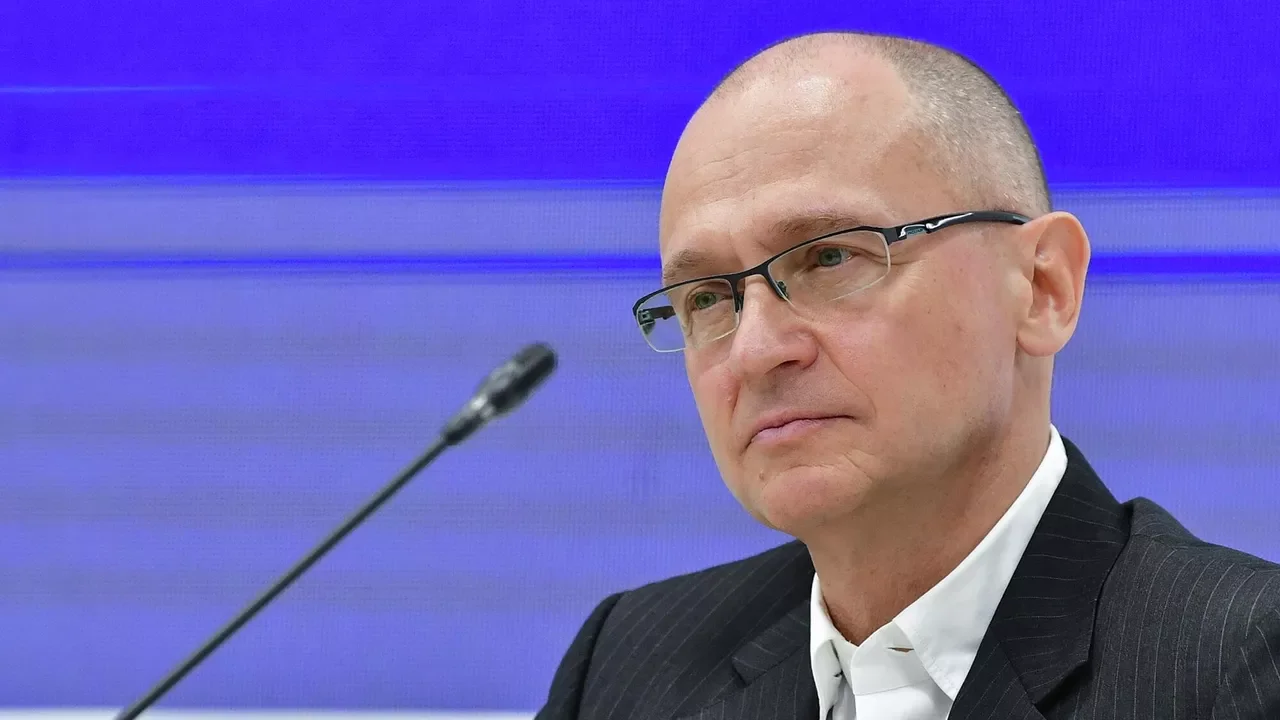
Sergei Kiriyenko, First Deputy Head of Russia’s Presidential Administration, said polling shows 94% of Russian citizens view the country’s multiethnic character of 194 nationalities and ethnic groups as a strength. He added that 84% of Russians feel positively about living near people of other nationalities, while only 12% say such proximity causes anxiety. Kiriyenko presented these figures at the “Znanie.Pervye” marathon as the highest such indicators in recent years.
RIGRI’s comment: This statement reflects constitutional language about the “multinational people of the Russian Federation” and official policy linking unity, civic identity, and cultural diversity. However, the statistics underlying it are dubious at best. Russian authorities are known to manipulate statistical data for ideological reasons. In this case, multinationalism remains a core propagandistic narrative, while the actual levels of everyday racism in Russian society remain unknown.
28th April 2026: “Method 3” is removed from major streaming platforms for “discrediting traditional values.”
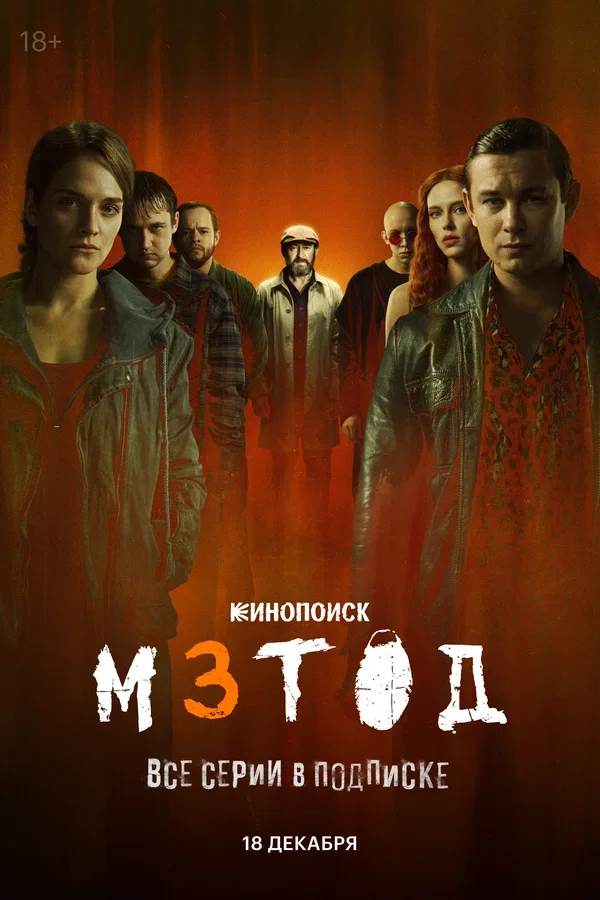
The Method-3 series was removed from the online streaming services Kinopoisk and Ivi following a Roskomnadzor request based on a Ministry of Culture finding. Producer Vladimir Maslov said the platforms were not given clear explanations of which laws or “traditional values” the show allegedly violated, and argued that the series is an 18+ work of fiction rather than an attempt to glorify crime. Kinopoisk said the finding accused the series of containing material that discredits or promotes rejection of “traditional Russian spiritual and moral values.” At the same time, Ivi confirmed the removal but declined further comment.
RIGRI’s comment: The “traditional values” have moved from rhetorical doctrine to administrative enforcement. The state is defining what mass audiences are no longer allowed to watch. The criteria for censorship are not known; thus, any cultural product may be subject to prohibition without prior notice, resulting in substantial financial losses for producers. This measure will likely negatively affect the development and distribution of cultural products and undermine Russian soft power.
Weekly Digest 21.04.2026 – 27.04.2026
27th April 2026: Lenin Rooms and Sovintern: They're Trying to Bring the USSR Back to Moscow
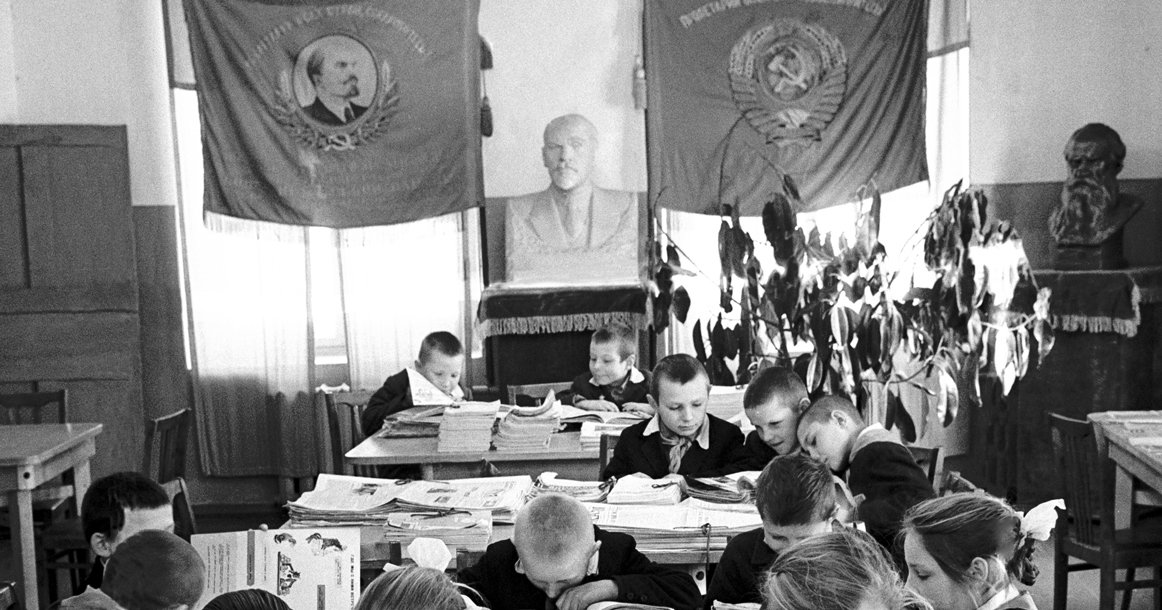
The new socialist international forum “Sovintern” started in Moscow’s House of Unions, described as an international socialist network initiated by the Just Russia party and framed around the legacy of “Soviet civilisation.” Delegates from several countries attended, and the opening included a greeting letter from Vladimir Putin. At the same time, discussions covered socialism, AI, Donbas, “digital partisans,” anti-imperialism, and a “Third World War” framing. In addition, a proposal by Senator Ayrat Gibatdinov to revive Soviet-style “Lenin rooms” (ideological lounges used for political education) in schools and workplaces for patriotic education.
RIGRI’s comment: Soviet nostalgia repackaged as a nation-building: “Soviet civilisation,” Lenin rooms, socialism, anti-imperialism, and Donbas are presented as symbols through which patriotism and collective memory can be rebuilt. The more they repeat the Soviet talking points, the more it sounds similar to the current talk of a “civilisation-state”, with adjustments to the economy and religion.
23rd April 2026: Digital blackout is openly normalised.
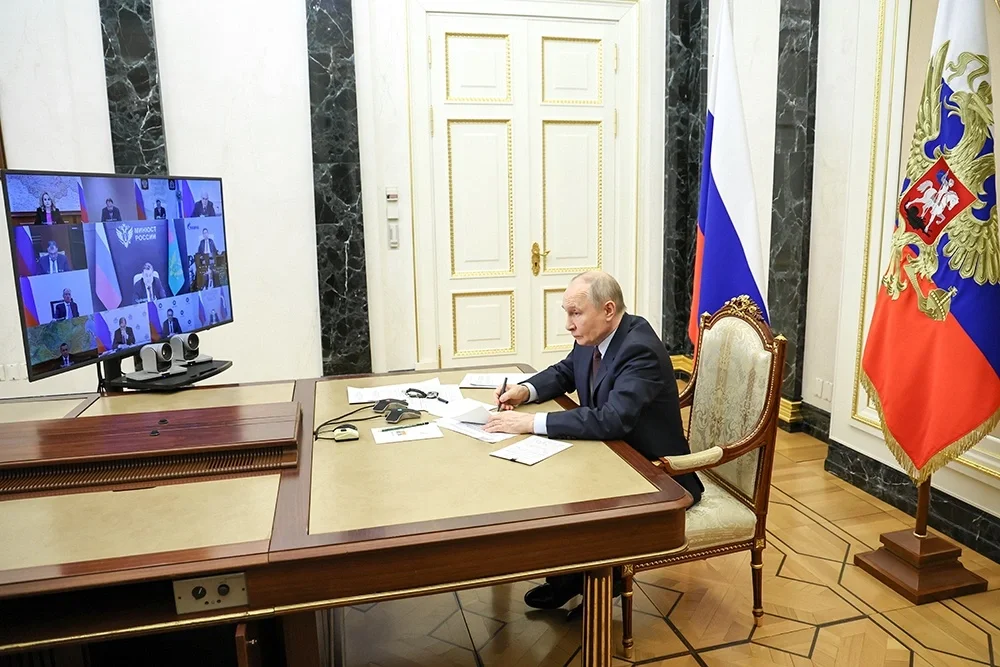
At a government meeting, Putin said internet outages in large cities were tied to anti-terror and anti-drone operations, and that public safety would always take priority. He nonetheless instructed officials to ensure that essential services such as payments, Gosuslugi, and medical-booking platforms continue to function during restrictions. The same day, Russian-language reporting said the whitelist of sites accessible during mobile internet shutdowns was expanded to include Soloviev Live, GLONASS, Premier, Ruwiki, the Popular Front, Dobro.ru, and Znanie, while Reuters reported mounting criticism from businesses and ordinary users over the scale of disruptions.
RIGRI’s comment: This was a major governance signal: the state is no longer treating blackouts as exceptional but as a normal security instrument, while building a curated layer of “approved” connectivity underneath them. As a non-user, Putin likely views the internet restrictions as a means of suppressing growing public dissent.
23rd April 2026: Demography is reframed as a supportive, whole-of-society national mission.

At the conference “Demographic Breakthrough in Russia: Paths to Achievement,” organisers from the Presidential Administration, the Federation Council, and the Labour Ministry promoted a corporate demographic standard, family-oriented urban infrastructure, and new mechanisms of family support. Government media said new tax support for working parents with two or more children was among the headline themes. At the same event, Sergey Novikov said Russian society was tired of prohibition-based rhetoric and argued that policy should instead create an atmosphere of encouragement and support for larger families; Putin’s written greeting cast birth-rate support, large families, and child-rearing in multigenerational households as national priorities involving the state, business, NGOs, religious institutions, and media.
RIGRI’s comment: The Kremlin is trying to preserve a family-values identity agenda while presenting it less as coercion and more as managed encouragement. Trying to refrain from financial assistance, they are now asking businesses to assist with demographic policies.
22nd April 2026: The State Council opens a new campaign to preserve and digitise Russia’s “cultural code.”
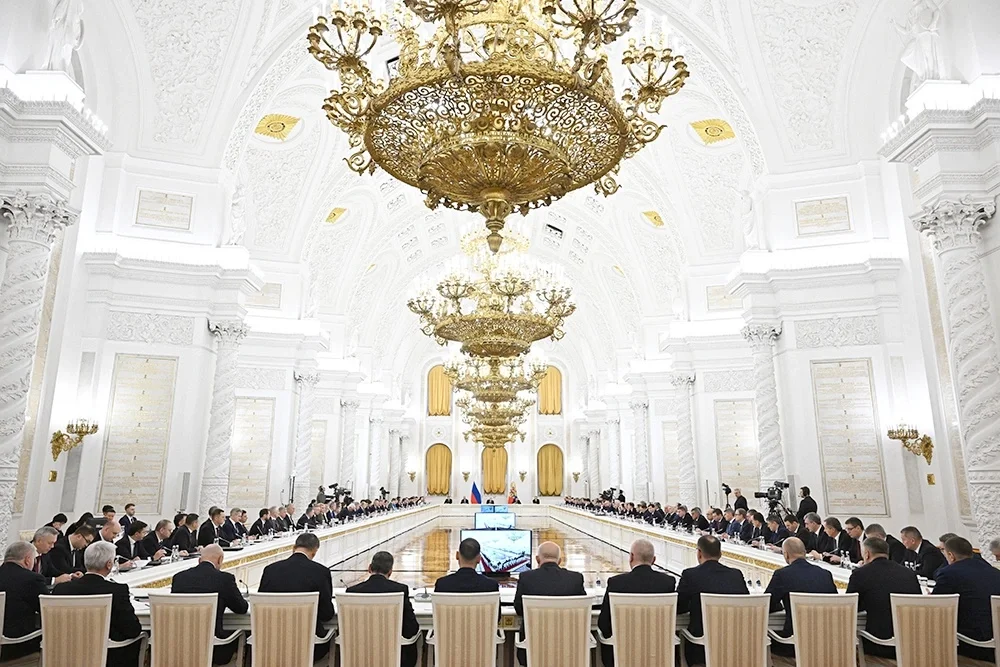
At an expanded meeting of the culture commission of the State Council, Alexei Dyumin said a later State Council session in the Year of Unity of the Peoples of Russia would focus on preserving historical and cultural heritage “in all its diversity.” He said Russia had more than 160,000 heritage monuments and archive shelves stretching over 8,500 kilometres, called for faster restoration of more than 1,000 sites by 2030, and promoted a single digital knowledge space based on digitised library, archive, and museum collections. He also explicitly linked historical memory to resistance against destructive ideological influence from “unfriendly” states.
RIGRI’s comment: Instead of genuine federalism and the recognition of the right to self-determination, officials of the Russian Federation promote a constructed image of multinational solidarity. The primary function of this unified, cultureless mass is political loyalty.
22nd April 2026: Putin named the FSB Academy after Felix Dzerzhinsky.
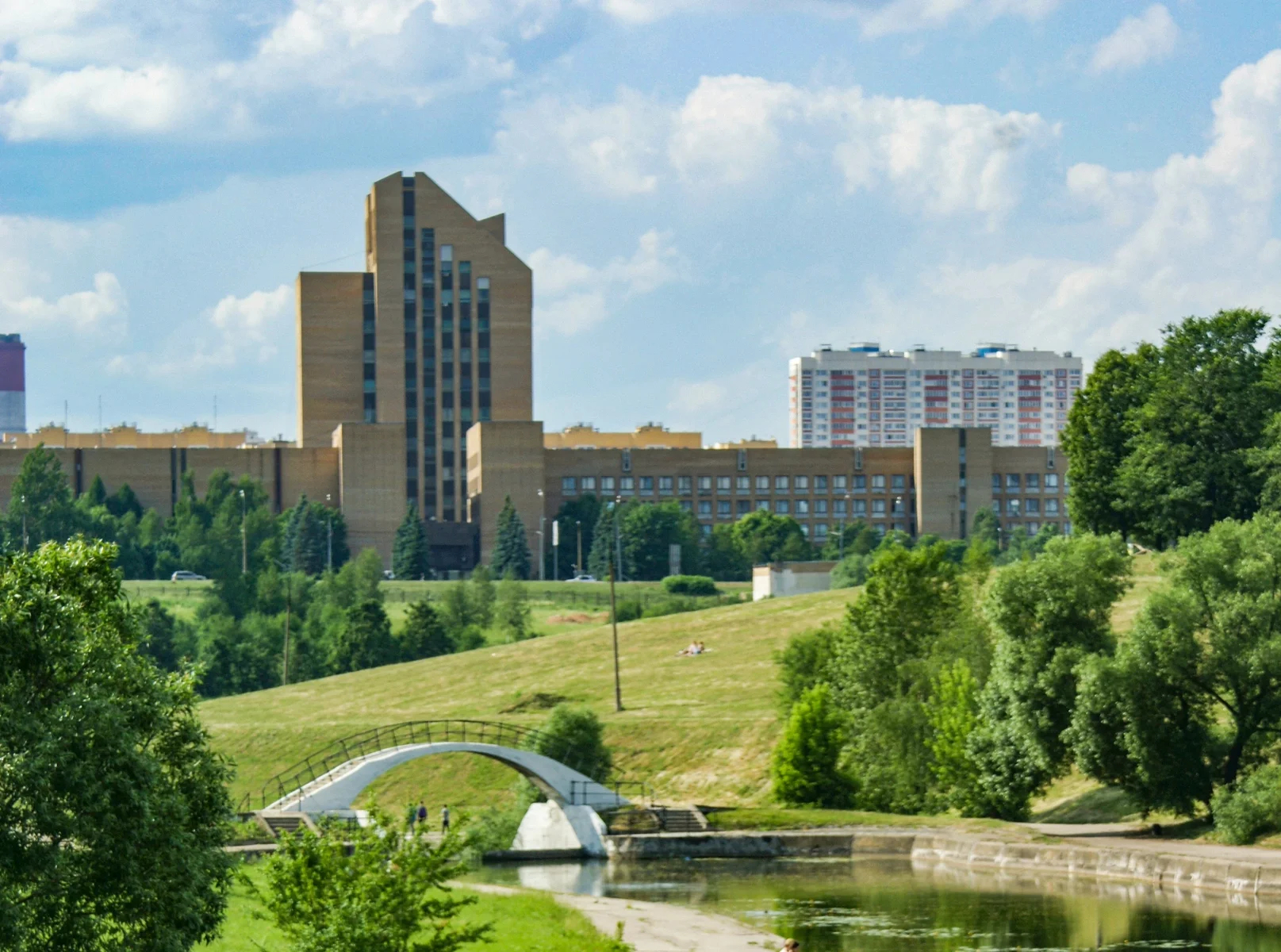
On 22 April 2026, Vladimir Putin restored the honorary name “F. E. Dzerzhinsky” to the FSB Academy, Russia’s main security service university, with the decree citing the academy staff’s merits and Dzerzhinsky’s contribution to state security. The academy had carried Dzerzhinsky’s name from 1962 to 1993, when it was the Higher School of the KGB of the USSR. Dzerzhinsky founded and led the Cheka, the Soviet security police associated with the Red Terror, making the renaming a highly symbolic revival of Soviet security-service heritage.
RIGRI’s comment: The state re-legitimising a Soviet security tradition as part of national memory, rather than treating the Soviet coercive apparatus as something to reject. In addition, since renaming is both a reward for the academy and remembrance of Dzerhinsky’s contribution to “state security”, it shows what the security services and Putin care about: loyalty, surveillance, coercive capacity, and protection of the state by any means necessary. A clear indication of what being conservative means for Russia, and what the historical roots of the Russian Federation really are.
Weekly Digest 14.04.2026 – 20.04.2026
20th April 2026: An official from the Presidential Administration of the Russian Federation linked the government's decisions with genuine concern for citizens' interests.
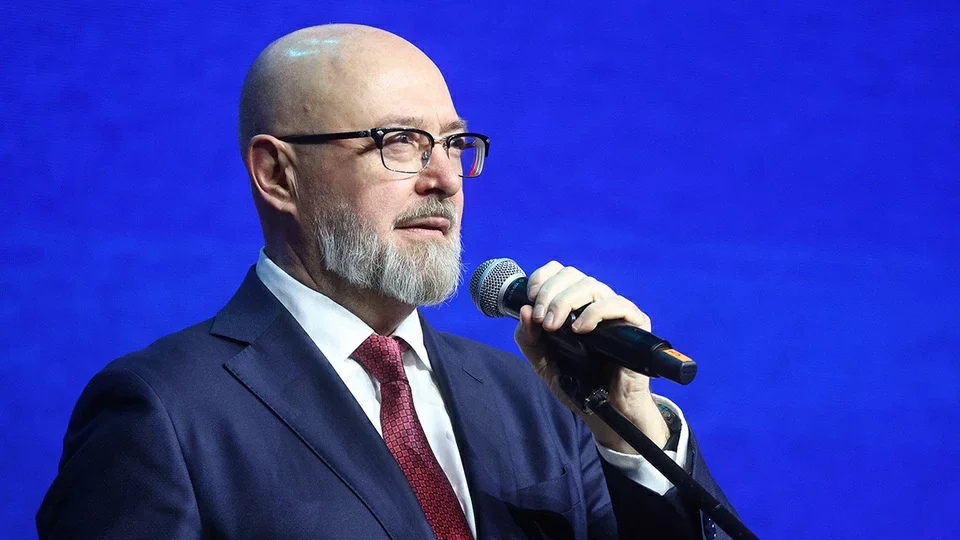
Alexander Kharichev, a senior Kremlin official responsible for monitoring and analysing social processes, argues that public trust in the state is the core bond holding Russia together and that this trust rests on four things: honesty, tangible results, genuine concern for citizen interests, and less distance between the authorities and society. He presents Russia as facing not only demographic, technological, and social pressures, but also a “hybrid war” of military, economic, and informational pressure aimed at weakening unity, rewriting the past, and undermining trust in the state. He also describes Russian identity as layered: ethnic identity as on at the base, an all-Russian civic identity above it, with a civilizational-value identity tied to traditional values and a shared national code at the top.
RIGRI’s comment: Kharichev is the chief architect behind the current attempt to create an ideology for the Russian Federation. He is trying to define national identity as both multiethnic and politically unified: people belonging to different ethnic groups and religions, but expected to share a common civic (Rossiyane/Russovians) loyalty to the Russian state and a common set of traditional values.
19th April 2026: First nationwide observance of the Day of Remembrance of the Victims of the Genocide of the Soviet People.
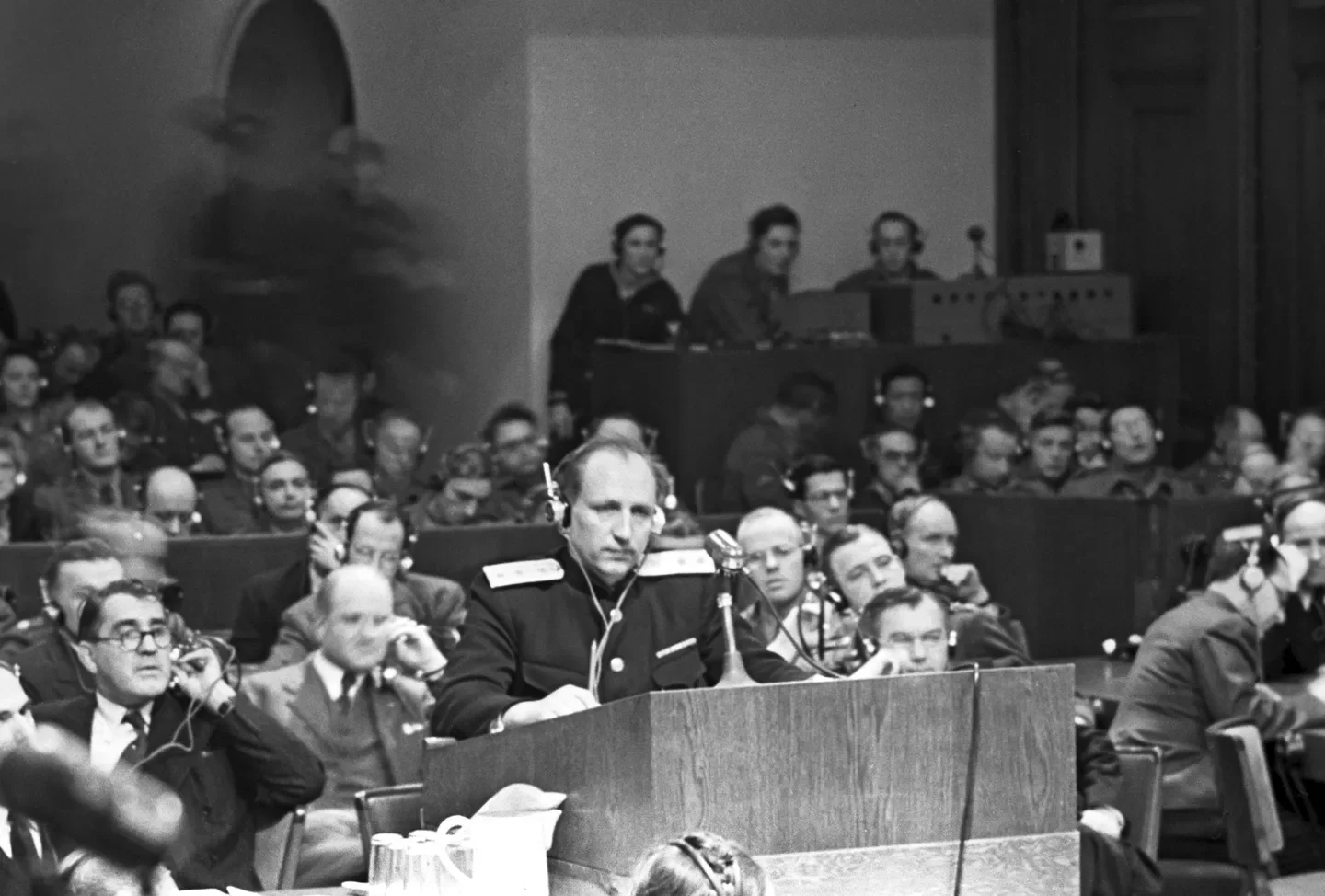
Media and official structures of the Russian Federation marked 19 April 2026 as the first countrywide observance of the new memorial date dedicated to victims of the genocide of the Soviet people during the Great Patriotic War. Reporting that day highlighted exhibitions including “No Statute of Limitations,” archival work, and the declassification of historical case materials by the security services, while diplomatic and parliamentary voices linked the date to contemporary battles over historical interpretation.
RIGRI’s comment: ‘Soviet people’ have been reborn as a political concept, even without the Soviet Union. Now it is part of an official Russian civic identity, rooted in collective victimhood from external forces, wartime sacrifice, and moral confrontation. Now it becomes a durable instrument for schools, museums, archives, regional authorities, and diplomats.
19th April 2026: A memorial to victims of political repression has been dismantled in Tomsk. First time this has happened to a memorial complex.
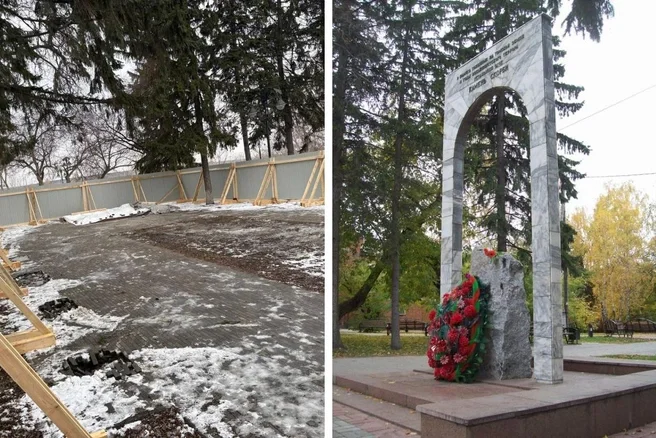
In Tomsk, workers fenced off the Memorial Square for Victims of Political Repression, removed the “Stone of Sorrow” and other ethnic memorial stones, and effectively began dismantling the broader commemorative site. Officials said the removal was a temporary safety measure because of a possible garage collapse and slope instability, and that the memorial objects were put into storage, but eyewitnesses, activists, and local critics said that explanation was unconvincing, pointed to police restrictions on access and photography, and stressed that the site stands by the former NKVD prison and dates back to 1992. This demolition is a part of a wider shift in official memory politics in 2026: the Supreme Court had just banned the international Memorial movement as “extremist,” politicians were attacking similar monuments, and the state was simultaneously elevating a new official remembrance narrative around the “genocide of the Soviet people.”
RIGRI’s comment: On the same day as commemoration of the ‘genocide of the soviet people’. Cannot be clearer than that. The only memory the state wants is the memory of others killing civilians, not the state itself. Garage story shows they continue to bother with pretences, but just barely. Just as the new memory is introduced, a contradicting past, where suffering was imposed by an internal actor, is being removed by the state.
16th April 2026: The Prosecutor General's Office has determined that the Katyn massacre was carried out by the NKVD. An exhibition featuring historical falsifications is now open at the execution site.
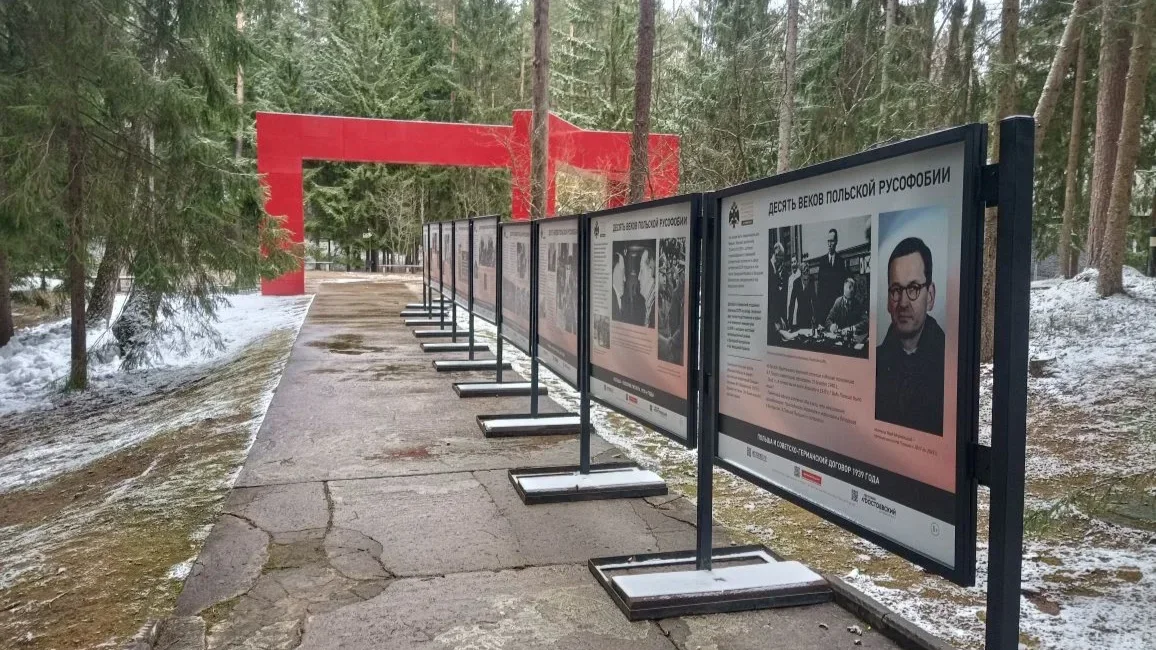
A new exhibition at Katyn by the Russian Military Historical Society revives the old Soviet falsehood that the 1940 massacre of Polish prisoners was carried out by the Germans, even though Soviet authorities admitted in 1990 that the NKVD was responsible. The claim contradicts both late Soviet and current official records, citing the 1990 TASS statement, a 2005 letter from the Russian Prosecutor General’s Office, and a 2010 State Duma declaration acknowledging that the killings were carried out by the NKVD on Stalin’s orders. The new exhibition is a politically motivated distortion of established historical facts at the very site of the massacre.
RIGRI’s comment: Few have noted the fact that the stand is having an open contradiction with the official version that Putin accepted. Was that historical inaccuracy there because of revisionists within the historical society and slipped through, or is it a complete reversal of Soviet denialism, and was it an order from the leadership?
16th April 2026: "Now they decide everything." The Russian Internet has a new curator: the FSB agency responsible for Navalny's poisoning.
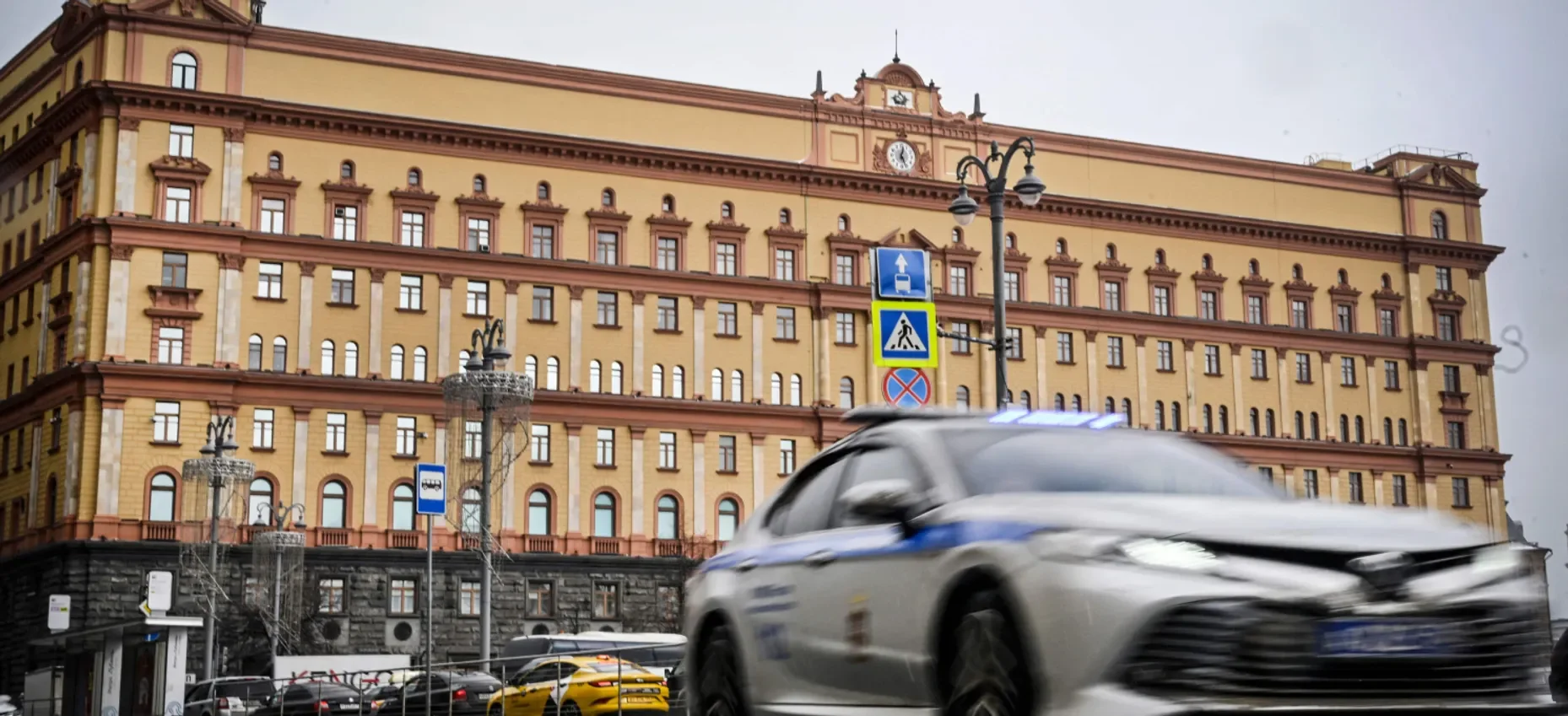
Russia’s recent crackdown on the internet messengers, tougher anti-VPN measures, and the broader campaign against foreign platforms are being driven by the FSB’s Second Service, a political-security unit better known for targeting opposition figures than for telecom regulation. This marks a major institutional shift: control of the RuNet (Russian Internet) has moved away from more technical FSB structures and toward a branch associated with “defending the constitutional order,” ideological policing, and the persecution of dissidents, with Alexei Sedov’s team allegedly gaining broad authority after a 2025 meeting with Putin. This harder line has deepened tensions between security officials and civilian technocrats, while provoking public backlash, rising VPN demand, and concern inside the Kremlin over the political costs of internet restrictions.
RIGRI’s comment: The state is redefining the RuNet less as a technical or economic space and more as an ideological one. Sovereignty is enforced by treating foreign platforms and uncensored communication as threats to the nation. It signals a further shift from technocratic management of compliance to security-service rule. Control over the internet has been handed over entirely to the security services, which is criticised by civilians and government officials alike.
15th April 2026: Economic contraction acknowledged at the Kremlin, and growth proposals demanded
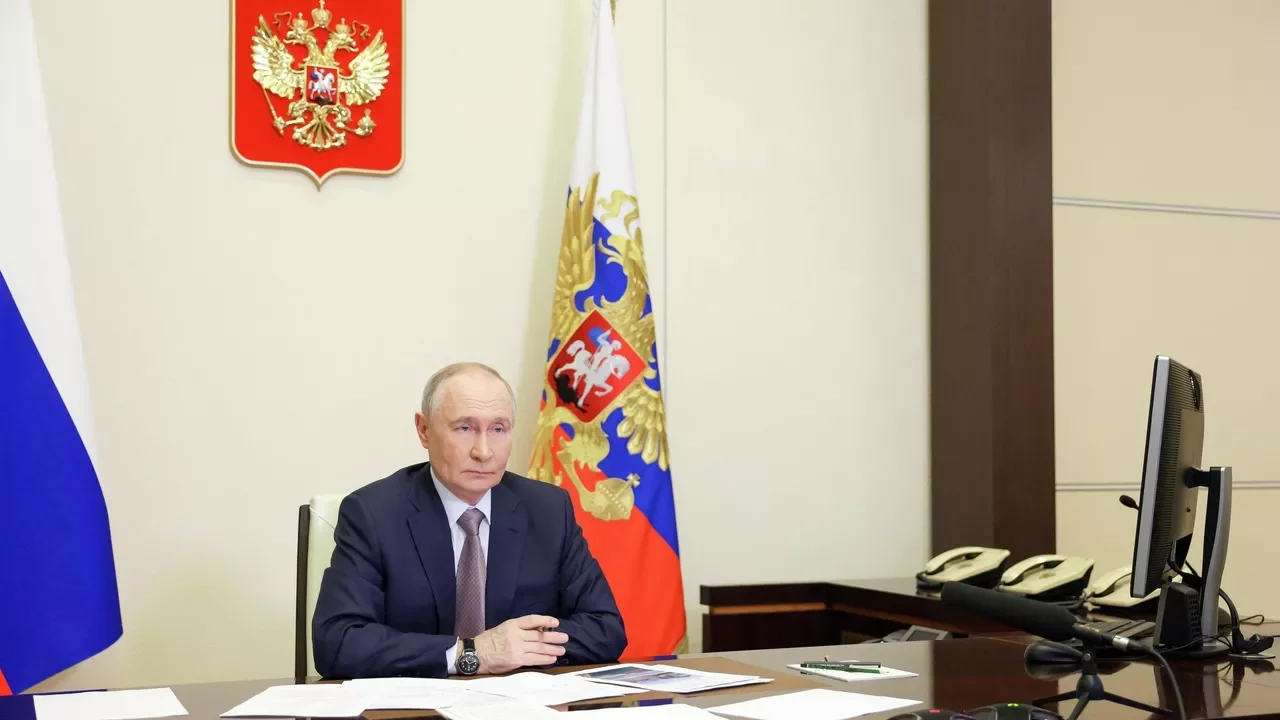
At an economic meeting in Moscow, Vladimir Putin said Russian GDP had fallen by 1.8% in January–February 2026 and noted that manufacturing, industrial output overall, and construction were in negative territory. He instructed the cabinet to prepare concrete proposals to restore growth, while Russian reporting emphasised that calendar and weather factors were part of the explanation but not the whole story. External reporting at the same time noted that the IMF had just raised its 2026 growth forecast for Russia to 1.1%, chiefly because higher oil prices were cushioning the slowdown.
RIGRI’s comment: When the president openly acknowledges contraction and demands fixes, it signals that the slowdown is serious. However, Putin is not willing to adjust his policies or strategy, meaning the economic situation is not critical yet.
Weekly Digest 07.04.2026 – 13.04.2026
11th April 2026: References to “Memorial” have been removed from the Yeltsin Centre’s exhibition.
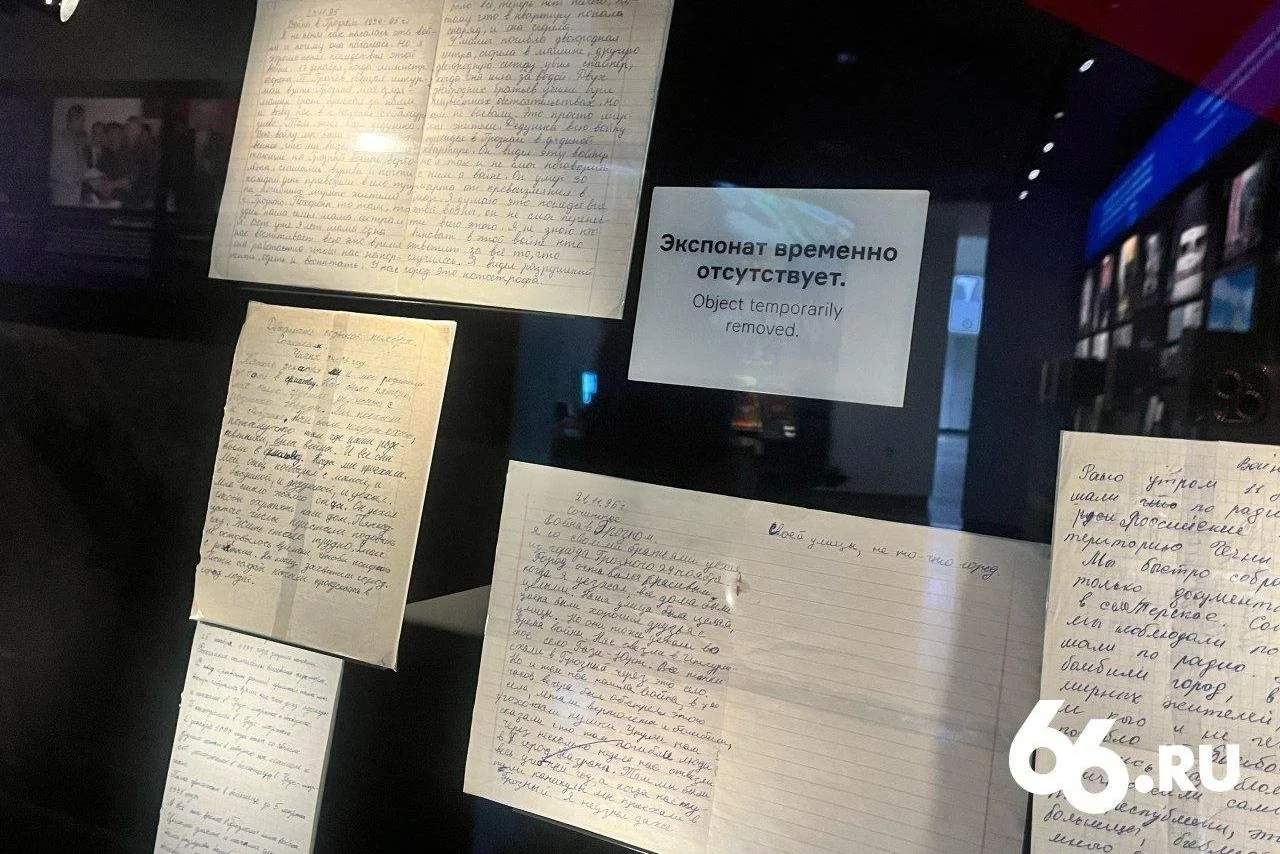
Two plaques mentioning “Memorial” (a human rights group focused on the study of Soviet repressions) were removed from the Yeltsin Centre museum exhibition after Russian authorities said the organisation can no longer be referenced without special labelling. The Yeltsin Centre said it is discussing the issue with lawyers and expects changes to the exhibition, although it has not yet decided what those changes will be. It is connected to the recent decision by the Supreme Court of the Russian Federation to declare the so-called “International Public Movement Memorial” extremist and ban its activities, despite “Memorial” saying no such formally named organisation exists.
RIGRI’s comment:The Russian Federation's memorial policy denies any crimes of the Soviet state, as Putin considers the modern Russian Federation the successor and legal heir to the USSR. Therefore, the prohibition and exclusion of “Memorial” from public life were inevitable. In the future, the persecution of activists and historians involved in research on the crimes of the Soviet state appears more likely than ever.
11th April 2026: Space-sector meeting plus Cosmonautics Day messages emphasise security, development, and prestige.
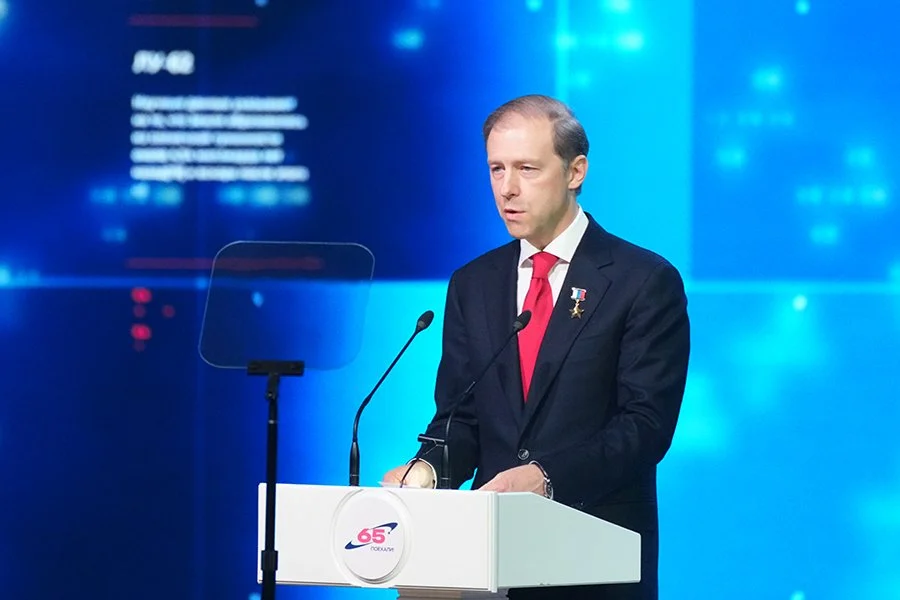
In the run-up to Cosmonautics Day, the President held a working meeting with Roscosmos leadership, with coverage highlighting performance indicators and plans (including satellite constellation and launch infrastructure topics). The head of Roscosmos, Dmitry Bakanov, reported (in coverage) on the size of the orbital constellation and discussed operational and security aspects, including claims about attempted drone attacks on a space facility. On 12 April, Cosmonautics Day messaging linked space capability to “economy, security and sovereignty,” and a greeting was issued to participants of a gala event connected to the holiday. In parallel, greetings framed space culture as a civic resource (e.g., a message to a space-themed film festival in Kaluga).
RIGRI’s comment:Space achievements remain among the most enduring pillars of national pride in the Russian Federation, although they are largely inherited from the Soviet Union in the absence of current successes in this area. Yuri Gagarin anchors continuity between Soviet-era prestige and present-day sovereignty claims, being capable of launching space rockets. The linkage of space capability to security and quality of life legitimises large-scale public investment and strategic-industrial mobilisation for the military.
11th April 2026: The Cinema Fund has revealed a list of 17 spiritual and moral values for films receiving non-repayable state support.
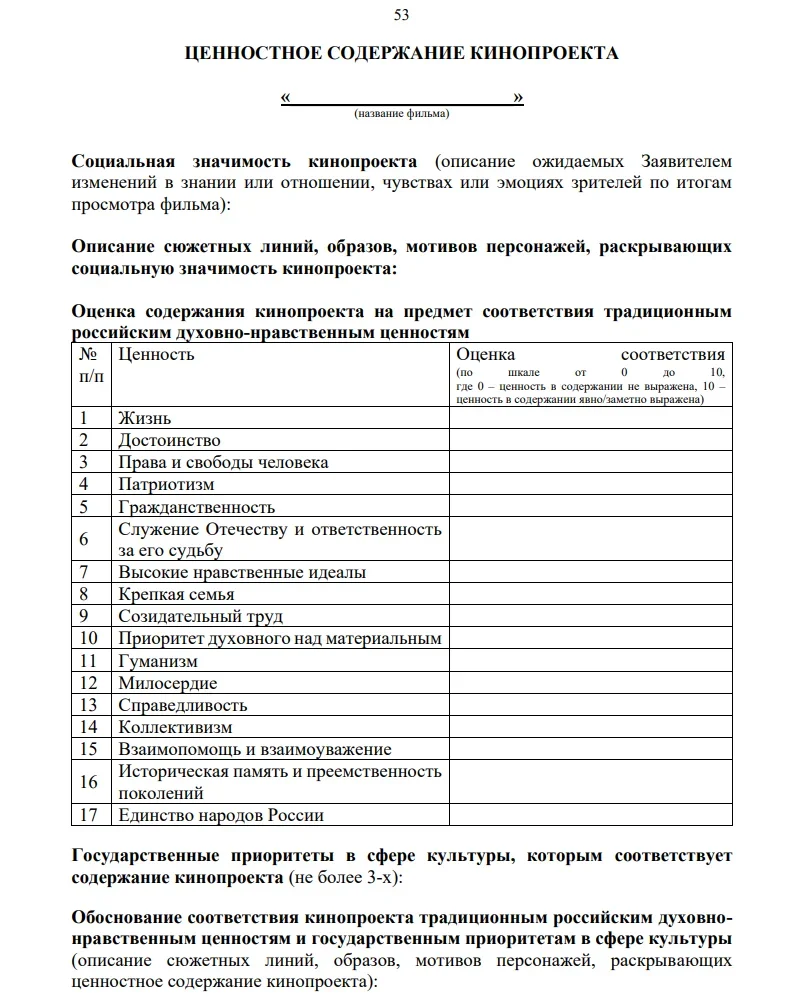
The Cinema Fund of the Russian Federation has published a questionnaire for films seeking non-repayable state support, requiring them to be evaluated against 17 “traditional Russian spiritual and moral values,” including life, dignity, human rights and freedoms, patriotism, family, mercy, justice, historical memory, unity of the peoples of Russia, and collectivism. Applicants must explain how their project reflects those values and its social significance. Expert readers will score each value from 0 to 10, after which the highest-rated films will move on to the Expert Council and then to funding decisions coordinated with the Culture Ministry. The subsidy rules explicitly require such films to support Russia’s war against Ukraine.
RIGRI’s comment:The Russian political regime seeks to formalise the presence of so-called “traditional values” in the media space. However, compliance with these values is evaluated by designated “experts,” whose qualifications and independence are highly questionable. This process reinforces government censorship not only along political lines but also in terms of a narrowly defined cultural framework subject to arbitrary interpretation.
10th April 2026: The Ministry of Justice has added Stanford University to the list of undesirable institutions in the Russian Federation.
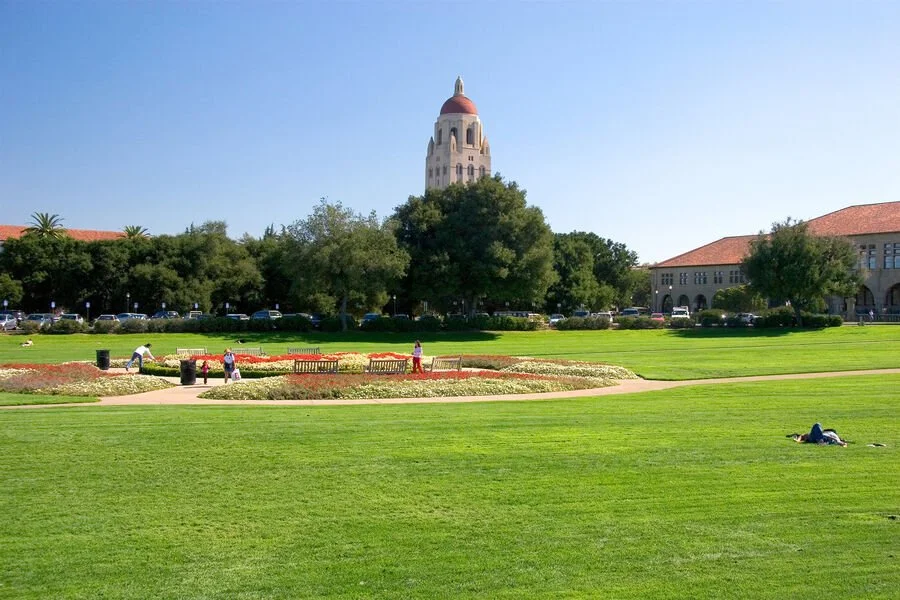
Russia’s Justice Ministry added Stanford University to the list of “undesirable” organisations on April 10, 2026, following an earlier Prosecutor General’s decision, which included the Russian American Science Association. People who have already graduated from Stanford do not face punishment merely for holding a Stanford diploma, but those who continue studying, participating in grants, exchanges, internships, or related programs after April 10, 2026, could face administrative or even criminal liability.
RIGRI’s comment:The continuous effort by the Russian Federation to ban foreign universities as agents of foreign influence undermines science within the country itself. Modern science is globalised and unthinkable outside an international perspective. While Russian authorities believe they are counteracting foreign influence, they in fact hinder scientific progress and simultaneously encourage academics and intellectuals to go abroad to avoid persecution.
10th April 2026: High-level meeting sets national AI deployment goals and prioritises domestic “sovereign” AI models.

Coverage of the AI meeting reported instructions to develop a national plan for AI implementation with regional participation and a target that AI technologies should be used across major sectors by 2030. A second, repeated theme in reporting was the insistence that fundamental AI models should be domestic and “maximally sovereign”, linking technological independence to defence and national security.
RIGRI’s comment:The “sovereign AI” framing turns technological policy into an identity claim: the Russian Federation is presented as a civilisation-state that must control strategic knowledge systems rather than import them. This signals the continued fusion of economic modernisation with the security state, in which AI serves as both productivity infrastructure and a defence substrate. It remains unclear whether foreign influences are permitted for catch-up or whether it must be fully sovereign, like the North Korean internet. VPN blockages have made it clear that talk of sovereignty now tends to dominate over economic performance.
Weekly Digest 31.03.2026 – 06.04.2026
6th April 2026: Ex-governor of the Kursk region sentenced to 14 years in prison in the case of bribery during the construction of fortifications.
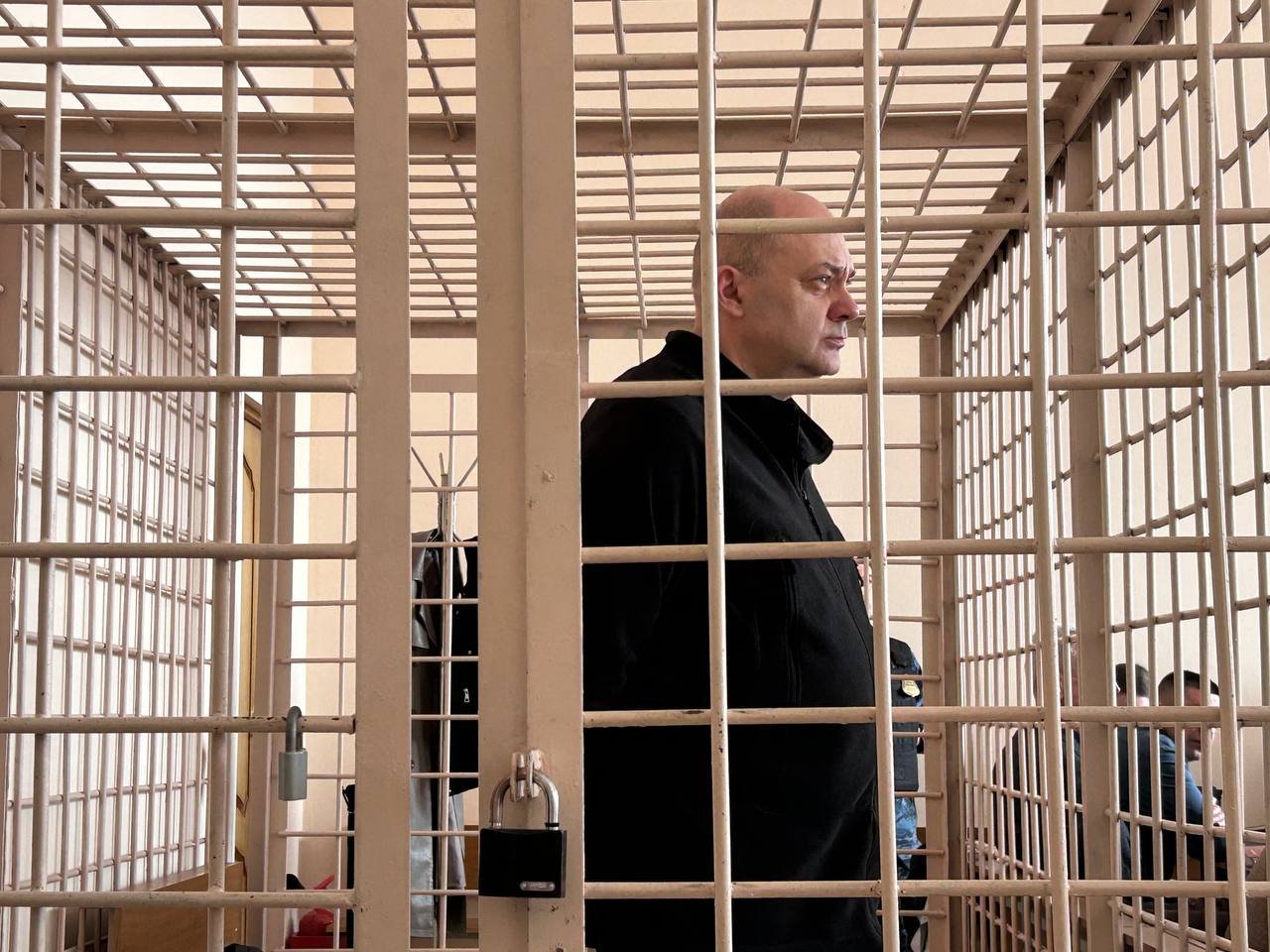
A court sentenced former Kursk region governor Alexey Smirnov to 14 years in prison for taking large bribes, fined him 400 million Rubles, barred him from holding public office for 10 years, and ordered the confiscation of 20.9 million Rubles. Smirnov admitted guilt and struck a deal with investigators, while prosecutors said he and another official took nearly 13 million Rubles for protection in school-repair contracts and about 8 million more from a regional deputy whose company-built border fortifications with Ukraine. Investigators linked the fortification case to up to 1 billion Rubles in embezzlement, and Smirnov testified that former governor Roman Starovoit (who was found dead in July 2025) had suggested collecting percentages from contractors.
RIGRI’s comment: It is quite a contrast with Tsalikov’s case. Harsher punishment despite cooperation sends a message that background does matter in the Russian Federation, as if it were a neo-feudal system.
4th April 2026: Kasperskaya apologised to Roskomnadzor for linking the failure of banks with the blocking of VPN
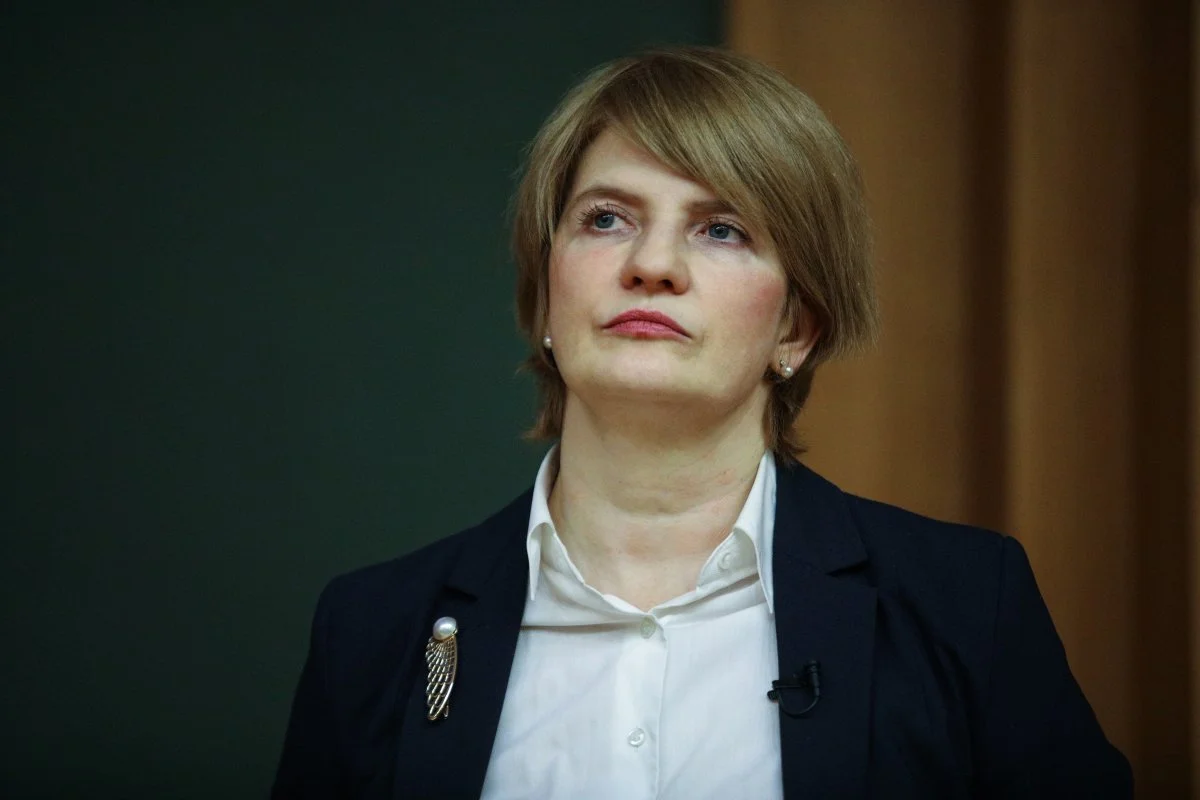
Natalya Kasperskaya (co-founder of Kaspersky Lab) apologised to Roskomnadzor after previously linking a mass outage at Russian banks and the Faster Payments System to efforts to block VPNs. After speaking with Roskomnadzor’s leadership, she said the disruption was apparently not caused by the regulator and may instead have stemmed from a problem at Sberbank, whose infrastructure is closely connected to other banks. Previously, she had warned that blocking VPNs could disrupt critical online services because VPN protocols overlap with infrastructure used by banks, while the outage itself affected major banking apps.
RIGRI’s comment: A boomerang effect of apologies is a way to confirm an association of Roskomnadzor with the recent Internet outages. Alternatively, if we are to believe the argument of all banks sharing one infrastructure, then the entire financial system in the Russian Federation is completely under state control, with no independent banks. In any case, apologies to Roskomnadzor are a new development, usually expected from Kadyrov’s critics.
3rd April 3026: The premiere of the spy detective series "Centuria" about the work of special services took place in Moscow.
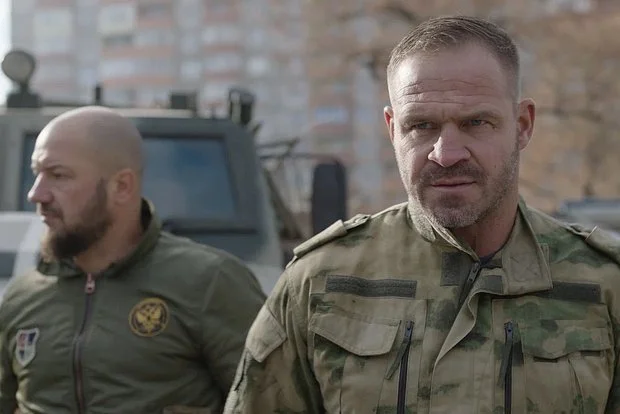
A premiere for the spy detective series Centuria was held at Moscow’s Khudozhestvenny cinema on April 3, 2026, with the project based on “real stories” from Russian state security practice involving alleged Ukrainian nationalist underground groups and foreign agent networks. The plot follows a Russian intelligence officer working undercover in Mariupol to identify the handler of a CIA-linked network allegedly preparing a terrorist attack in Russia. The piece also presents the series as a warning to parents and young people about “cognitive warfare” and teenage recruitment that turns them into “biodrones”.
RIGRI’s comment: Centuria is a Ukrainian patriotic youth organization, which makes it a perfect scapegoat for Russian propaganda, which seeks to construct a false image of “Nazis” around any issue connected to Ukrainian patriotism and nation-building. By presenting itself as a warning, the series highlights what the state perceives as a threat: the combination of nationalism and covert activities by foreign powers.
3rd April 2026: The Russian Orthodox Church confirmed that it has received two icons from the Tretyakov Gallery for 49 years of use.
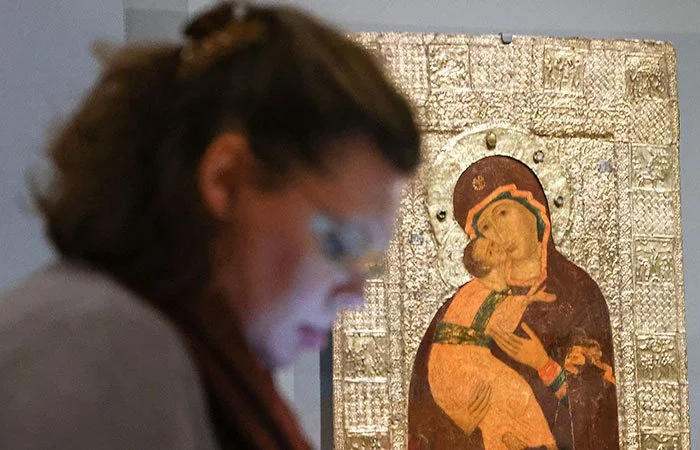
The Russian Orthodox Church said the Tretyakov Gallery has transferred the Vladimir and Don Mother of God/Eleusa (Virgin Mary) icons to church institutions for free use for 49 years, with both icons to be placed in Moscow’s Cathedral of Christ the Saviour from April 4. According to the report, the Don icon will later move to the Donskoy Monastery after restoration work there is completed, while the Vladimir icon had previously been kept in the St. Nicholas Church-Museum in Tolmachi. Both icons remain part of Russia’s state museum collection under the Tretyakov Gallery, whose specialists will retain access for inspections, noting that the gallery similarly transferred Andrei Rublev’s “Trinity” to the Church for 49 years in 2023.
RIGRI’s comment: Despite the notion that the Russian Orthodox Church is slowly reclaiming the artefacts, this action is a reminder from the state that is in charge. A lease instead of a full transfer reminds the church who is still in charge without the need for an open repression. The transfer will likely lead to the deterioration of the icons, which will gradually degrade outside museum conditions. This approach prioritizes religious use over the preservation of historical artistic masterpieces.
2nd April 2026: Medvedev called for countering the creation of ethnic enclaves in the Russian Federation
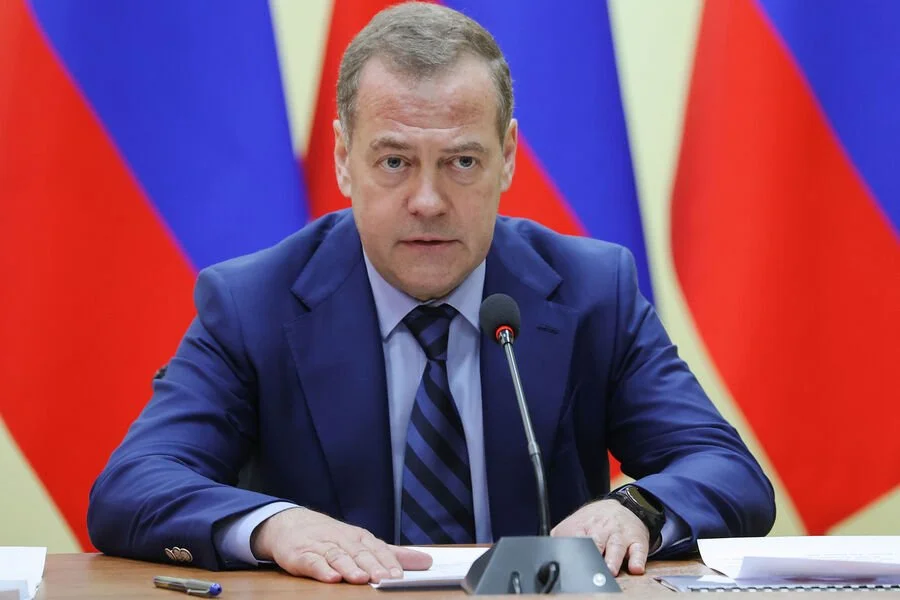
Dmitry Medvedev, deputy chairman of Russia’s Security Council, called preventing the formation of ethnic enclaves by migrants in Russia an urgent issue that deserves close attention. He argued that when foreign nationals live in compact clusters in separate areas, this can hinder their adaptation and weaken compliance with Russian laws and “law-abiding behaviour.” He also spoke of a planned package of legislative measures to speed up decisions on declaring certain foreign nationals’ stay undesirable, including immediate deportation if a migrant is found to have a dangerous disease.
RIGRI’s comment: When high-ranking officials publicly admit demographic issues, the situation has shifted significantly from the previous status quo. Had Medvedev not been a part of the same government behind the immigration, a legal reform would have been expected. Instead, it is presumably a statement that will allow others to pretend that the Russian Federation is tackling migration. Simultaneously, the government of the Russian Federation is likely to prefer assimilating foreigners rather than allowing unrestricted multiculturalism.
Weekly Digest 24.03.2026 – 30.03.2026
27th March 2026: The Ministry of Justice demanded that Memorial be recognised as an extremist organisation.
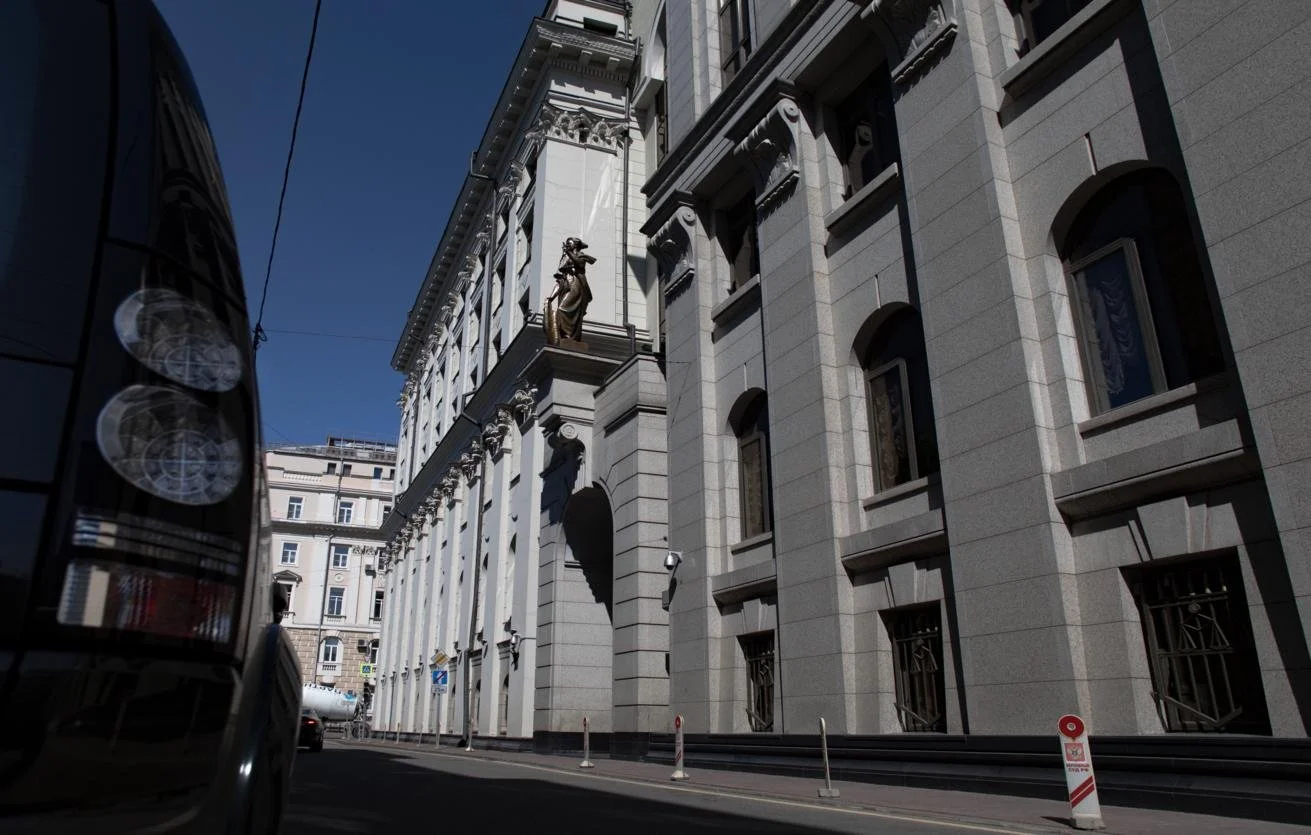
The Justice Ministry of the Russian Federation has asked the Supreme Court to declare the “International Public Movement Memorial” an extremist organisation. The case is scheduled to be heard behind closed doors at 11:00 on 9 April, and no further details have been published in the docket. In late 2021, Russia’s Supreme Court and Moscow City Court ordered the liquidation of International Memorial and the Memorial Human Rights Centre over alleged violations of the “foreign agents” law. Afterwards, Memorial’s work continued through a new Human Rights Defence Centre and social media.
RIGRI’s comment: ‘Memorial’ was the main organisation responsible for uncovering repressions during the Soviet period, helping the church to discover numerous martyrs. Constant closing of it sends a clear signal that the official state view on the Soviet past sees no repression and does not allow it to be challenged.
27th March 2026: Security Council meeting on relations with the EU: strategic framing and identity boundary-making
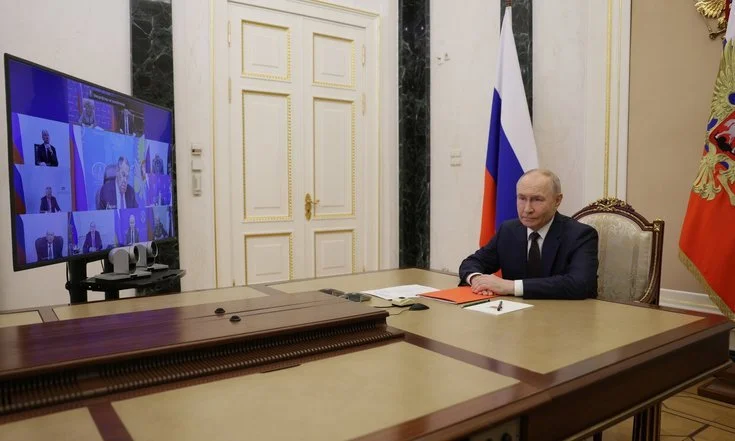
The Security Council of the Russian Federation held an operational meeting chaired by the president, with the agenda publicly framed around the “European track.” Reporting describes the president hearing a briefing by Sergey Lavrov and emphasising that Russia had not refused the development/restoration of relations with Europe, while attributing the deterioration of relations to Western actors. The meeting thus served as an official venue for reiterating the state’s explanatory narrative about the Russia–Europe rupture and the terms under which “restoration” might be imagined.
RIGRI’s comment: The council meeting is presented as a discussion of relations between two distinct civilisational blocks instead of just diplomacy. It is a gradual progress in establishing a narrative of the Russian Federation as a distinct civilisation in a multipolar world, one part of the ideology in making.
26th March 2026: During the Culture Council meeting, Putin ordered the introduction of quotas on the distribution of foreign films in the Russian Federation.
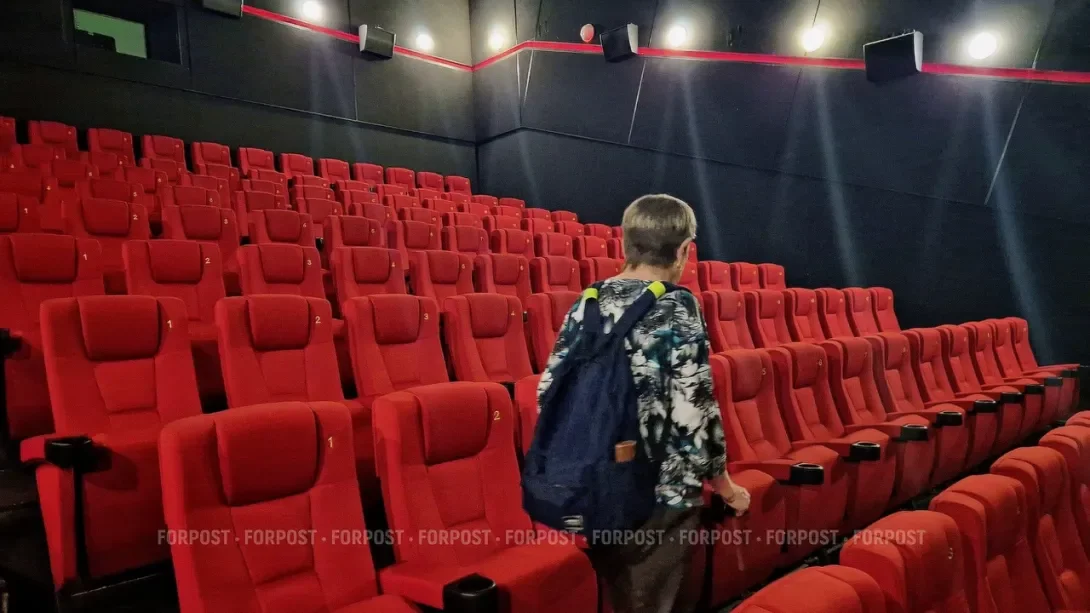
Vladimir Putin ordered officials to introduce quotas for foreign films in Russia as quickly as possible, saying at a meeting of the Council for Culture that Russia should more tightly regulate imported cinema, as France and China do. Putin argued that the issue is both ideological and financial: he criticised Russia for allowing what he called “stupid” and “unnecessary” material through while failing to support domestic producers. The discussion was closely tied to Nikita Mikhalkov’s lobbying on behalf of Russian cinema, noting that he had previously proposed a 5 million Ruble fee for foreign films and again raised the question of quotas at this meeting. Another idea supported by the president at a meeting of the Culture Council is to use artistic works without the consent of their heirs, if they refuse permission. Putin stated that a law should be passed that would permit the use of works without the consent of copyright holders who are not the authors and who set patently impossible conditions.
RIGRI’s comment:
The quota push makes culture a matter of state-managed identity since foreign cinema is explicitly framed as an ideological issue. With most domestically sponsored films making a loss last year, harsher control is required to spread official values. It also serves as a reminder of how Putin is not an Internet user, since these quotas only affect cinemas that already see a decline in attendance.
25th March 2026: Duma adopts a federal law reforming oversight of local self-government
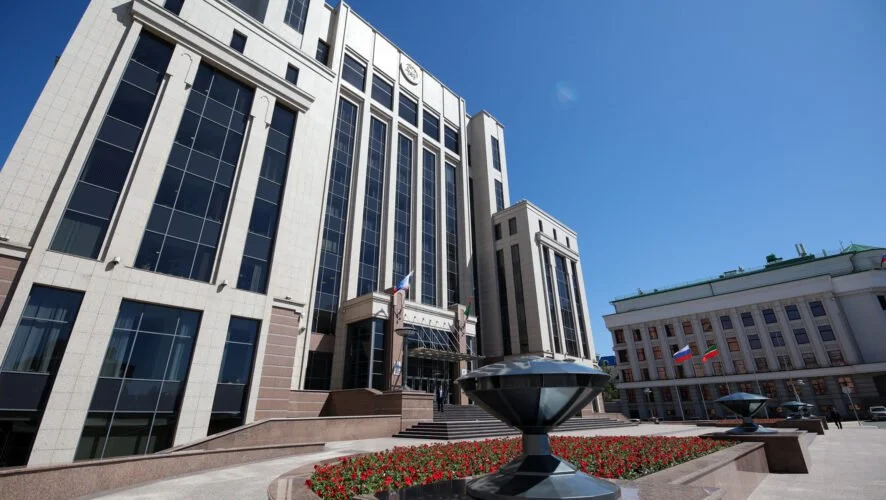
The Ministry of Justice of the Russian Federation reported that the Duma adopted a federal law introducing a risk-oriented approach for oversight/control activities regarding local self-government bodies and municipal officials, signalling tighter and more standardised supervisory architecture for municipalities. The legislative track is reflected in the Duma’s legislative system dossier for the relevant bill, which documents its progression on the parliamentary calendar.
RIGRI’s comment: Local self-government is a core arena where civic identity and the felt legitimacy of the state are produced. A more centralised, risk-based oversight model reframes citizenship from local participatory self-rule toward compliance and service delivery within a unified state system, as part of an envisioned ideology.
24th March 2026: Duma expands ban on probation periods for women with small children

The Duma adopted amendments to the Labour Code expanding protections for women with young children by prohibiting employers from imposing a probationary period for women whose children are under three years old, extending a pre-existing protection that applied to mothers of children under 18 months. The bill dossier in the Duma system identifies the initiative (by number) and formalises it as a legislative act moving through the federal lawmaking pipeline.
RIGRI’s comment: An interesting way to tackle the demographic issue alongside the economic one. However, protecting a new mother’s work position does not guarantee a rise in fertility or an increase in economic productivity. Studies suggest that increasing the maternity capital payments for the second and third child remains the only proven way to increase fertility. Sadly for the leadership of the Russian Federation, it requires additional finances that wouldn’t be spent on advancing international and other domestic interests.