
Weekly Digest
Weekly Digest 17.03.2026 – 23.03.2026
23rd March 2026: The State Duma will consider a bill to strengthen the protection of historical memory. (it was passed)
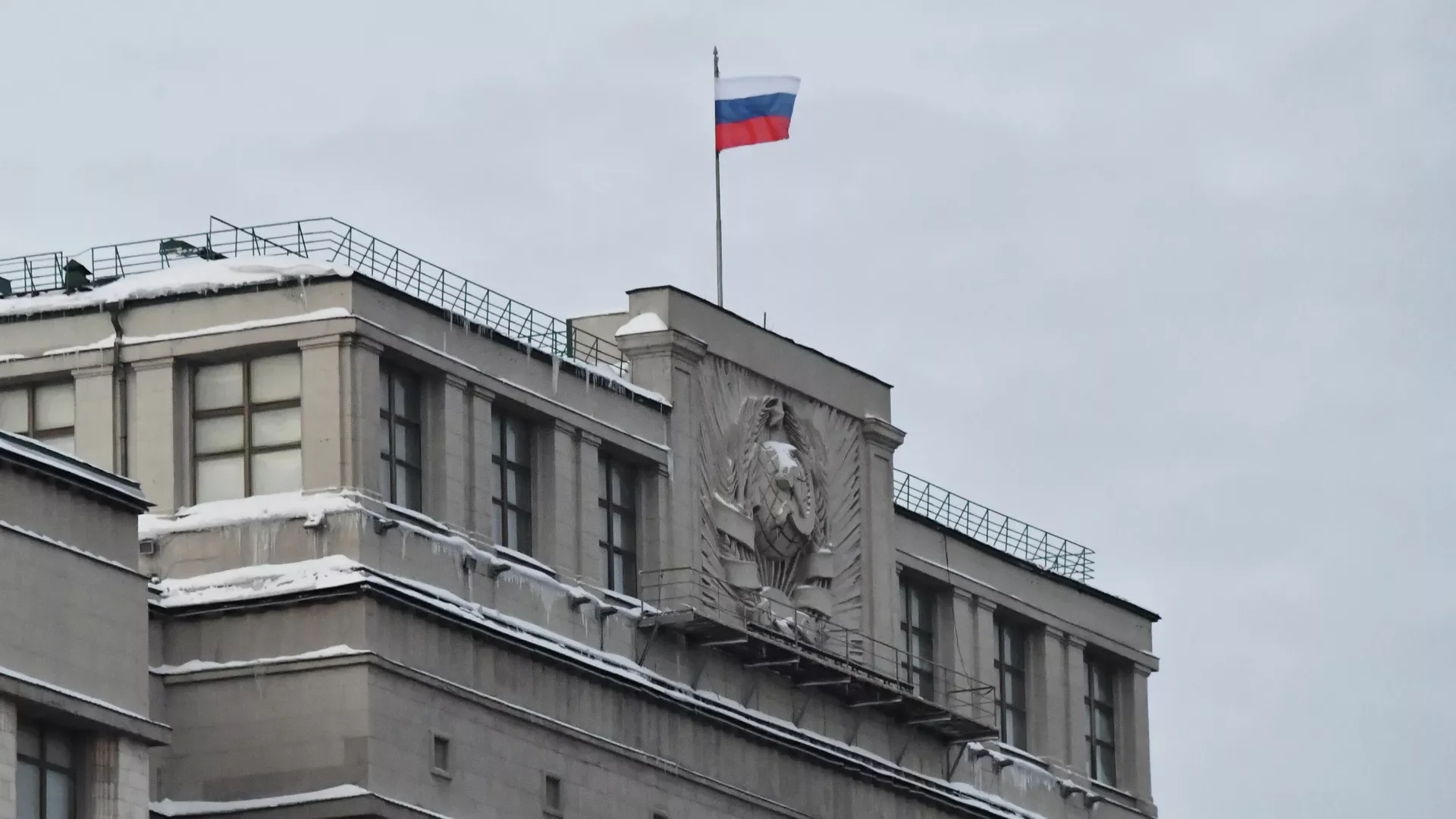
State Duma leadership stated that a second-reading debate was set for 24 March on amendments to the Criminal Code aimed at “protecting historical memory.” The package would expand criminal liability for desecration of memorials and burials associated with victims of the “genocide of the Soviet people,” including sites outside Russia, adding liability under the “rehabilitation of Nazism” article for publicly denying or approving that genocide. Reported maximum penalties included up to five years’ imprisonment for damage to protected burial/memorial sites, and up to three years for public denial and/or “insulting the memory” of victims. The initiative was explicitly framed as countering “falsification of history” and defending the multiethnic Soviet wartime “sacrifice.”
RIGRI’s comment: This is an example of identity-by-law, where a state defines an identity narrative and attaches criminal penalties to challenges. By centring the “Soviet people” as a collective victim category, the measure can reinforce a shared, multiethnic wartime identity while reasserting a state-authorised interpretation of history. And since the protections extend to memorial sites outside Russia, the policy spreads state-promoted identity abroad and sets claims abroad.
22nd March 2026: Baba Yaga is guarding identity. The Federation Council discussed issues of national identity.
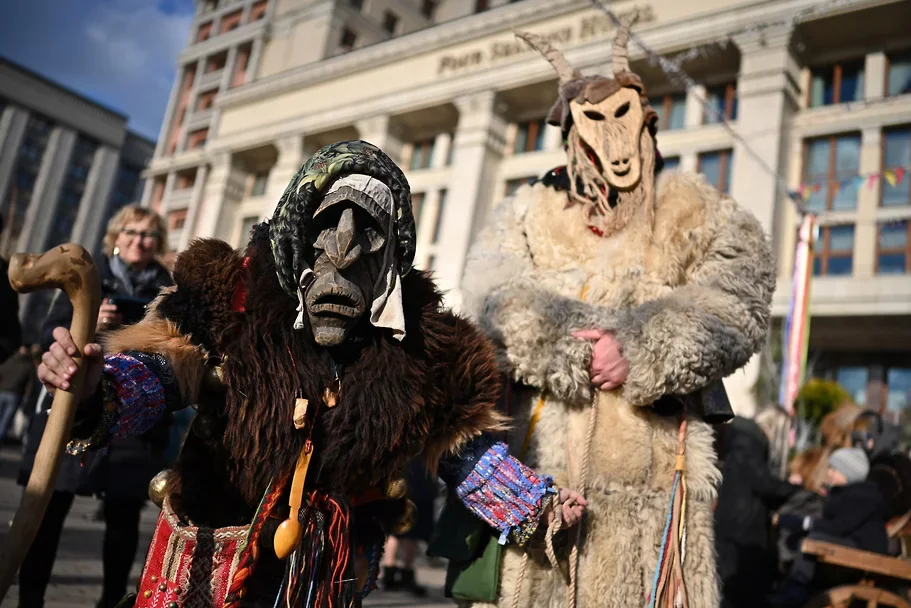
A joint session in the Federation Council of Russia focused on “strengthening all-Russian identity as a goal of state national policy.” Speakers connected identity-building to youth policy, proposing that patriotic education should be “speaking the language” of today’s youth, including through modern cultural formats such as video games with folklore characters. According to the session report, Konstantin Kosachev highlighted that 2026 had been framed as a “Year of unity of the peoples of Russia.” He referenced measures such as introducing a school course titled “Spiritual and moral culture of Russia” from the next academic year and involving veterans of the “special military operation” in mentorship and civic education. The report also described proposals for identity textbooks and for embedding state symbols in preschool settings.
RIGRI’s comment: A focus on institutionalised civil and multi-ethnic identity production, engineered through schools, youth culture, and moral vocabulary. Perhaps this is what was meant when Putin said that veterans must play a role in future of the Russian Federation. The indoctrination of youth is increasingly intertwined with the ongoing war effort, symbolising a tightening ideological grip on younger generations.
20th March 2026: Medvedev concluded that most UN countries are self-proclaimed
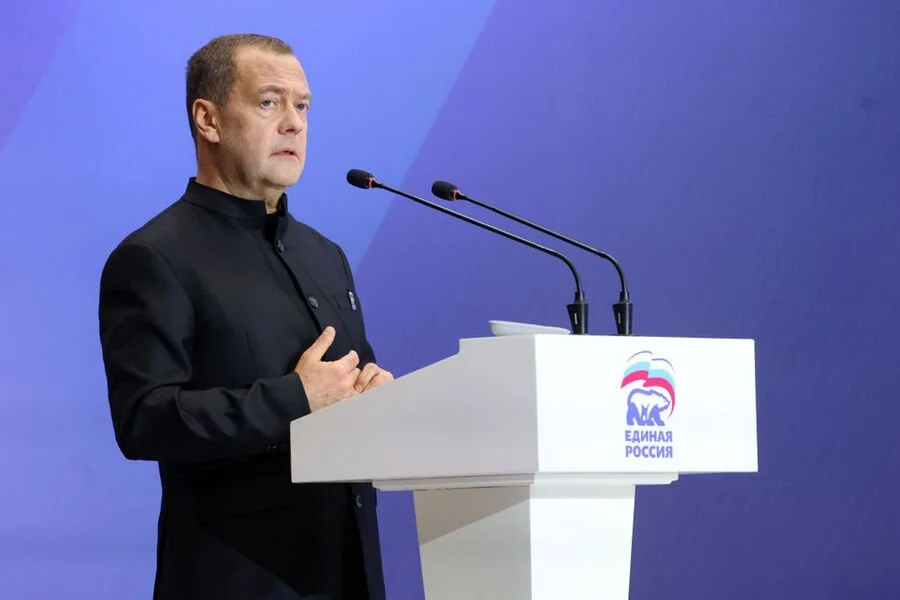
Dmitry Medvedev and Viktor Medvedchuk argued in a joint article that, by formal criteria, most UN member states could be considered “self-proclaimed.” They pointed to countries that declared independence from Spain, as well as the Netherlands and Belgium, and argued that these states emerged through the exercise of a claimed right to self-determination. They described the breakup of the Soviet Union and the emergence of new states in its place as an irreversible process, echoing a position that the article says Vladimir Putin has also expressed.
RIGRI’s comment: It shows a state vision of identity that gives the Russian Federation the right for aggressive territorial expansion by claiming that populations (not necessarily ethnic Russians) in neighbouring territories have exercised a right to join Russia through self-determination. It also shows a governance style that seeks to legitimise geopolitical goals through legal argument, referendums, and appeals to international law, an issue that is important for Putin.
19th March 2026: Spring, a lesson, or a beautiful way out? The mysterious story of citizen Remeslo
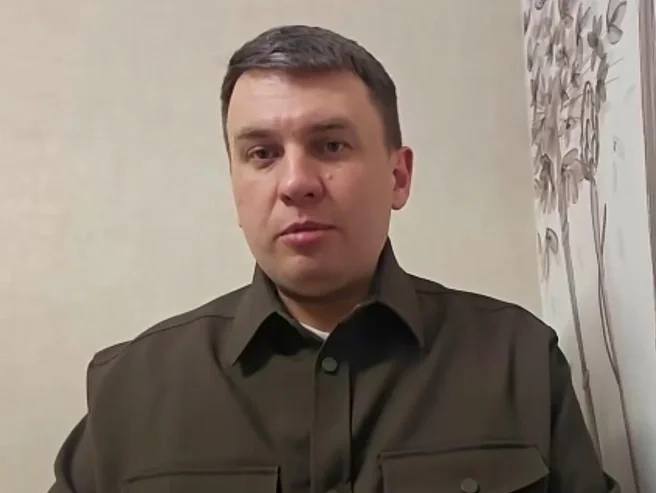
Pro-government blogger and lawyer Ilya Remeslo suddenly spent about a day publishing unusually harsh attacks on the Russian authorities and President Vladimir Putin, insisting his Telegram channel had not been hacked, gave interviews, and then went silent. On March 19, 2026, he was hospitalised in St. Petersburg’s Skvortsov-Stepanov psychiatric clinic. His relatives called the ambulance, and there was no visible involvement by state bodies. For now, it remains an unresolved mystery.
RIGRI’s comment: Ilya Remeslo came into public life as a Kremlin’s response to Navalny. Initially planned as a loyalist anti-corruption activist, Remeslo became a key prosecution witness against Navalny. Nowadays, with Navalny gone and the Russian Federation facing stagnation, Remeslo was no longer needed. His unexpected statements may manifest his intention to switch sides, although unsuccessfully.
19th March 2026: The State Duma will consider a bill to protect citizens of the Russian Federation/Russovians arrested abroad.
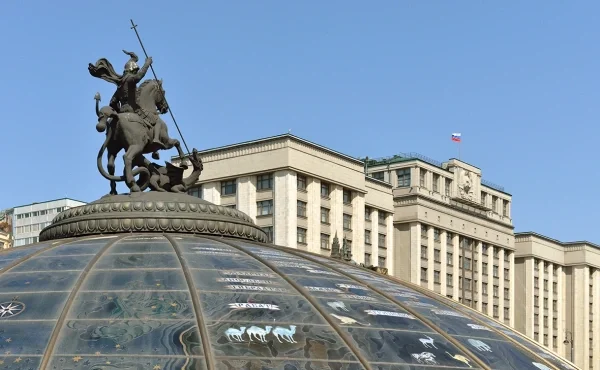
The State Duma will consider a government-backed bill that would allow Russia to use its armed forces to protect citizens of Russia who are arrested, detained, or prosecuted abroad under decisions by foreign or certain international courts. The proposal would amend the laws on citizenship and defence and give the president of the Russian Federation the authority to deploy the military for that purpose. In essence, the measure is presented to shield citizens from legal actions by courts whose jurisdiction Moscow says it does not recognise.
RIGRI’s comment: Before this new proposal, Russian law already allowed the use of the armed forces abroad in four cases: repelling an attack on troops stationed outside Russia; repelling an attack on another state that has asked Russia for help; protecting Russian Federation citizens from an armed attack; and fighting piracy. The new addition may serve as a precursor to a future invasion, as well as an attempt to raise the state’s prestige by resembling the U.S. Hague Invasion Act, with an emphasis on state sovereignty.
18th March 2026: Government decree approves rules for a national operator tasked with memorialising victims of the “genocide of the Soviet people.”
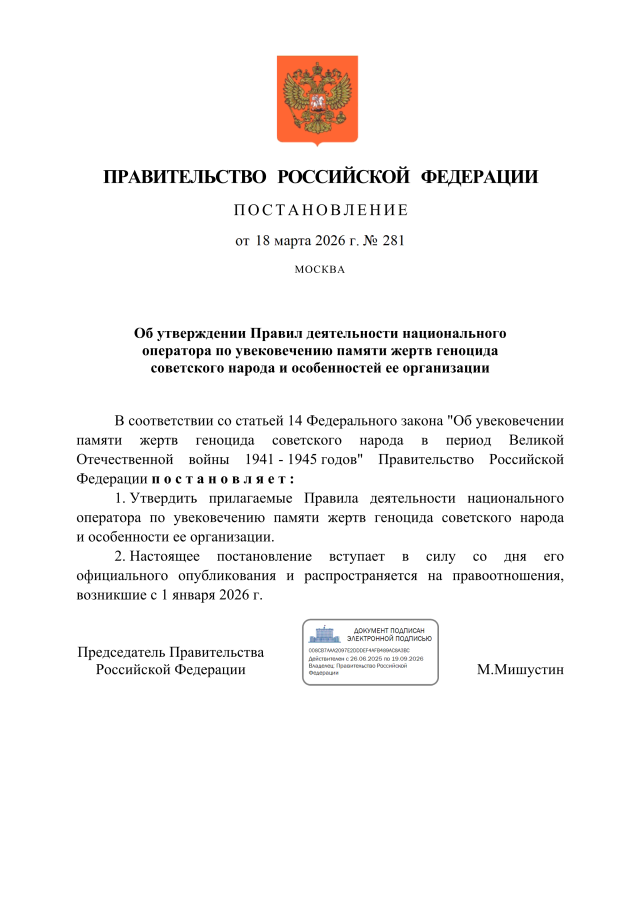
The Government of Russia adopted rules (Decree No. 281, dated 18 March 2026) defining the functions of a “national operator” responsible for memorialising victims of the “genocide of the Soviet people” during WWII. The rules specify that the operator’s functions are carried out by a non-profit selected by the government on the Ministry of Culture’s proposal. The decree outlines concrete tasks: compiling information on victims; confirming whether unidentified remains or burial sites belong to victims; coordinating search and reburial work; maintaining a centralised record of burials; publishing victim lists; processing requests from citizens and organisations. The rules also explicitly outline goals such as shaping public rejection of Nazism and countering “falsification of history” within a national security framing.
RIGRI’s comment: The decree sets up the institutional backbone for memory-making. By foregrounding “Soviet people” victimhood and anti-Nazi messaging, it reinforces a unifying national narrative with strong emotional and moral components central to civic identity formation. In addition, it demonstrates that the foundation of modern Rossiyanin/Russovian civil identity is mainly based on the model of a Soviet citizen.
Weekly Digest 10.03.2026 – 16.03.2026
16th March 2026: The government supported the idea of expanding the grounds for the deportation of foreigners
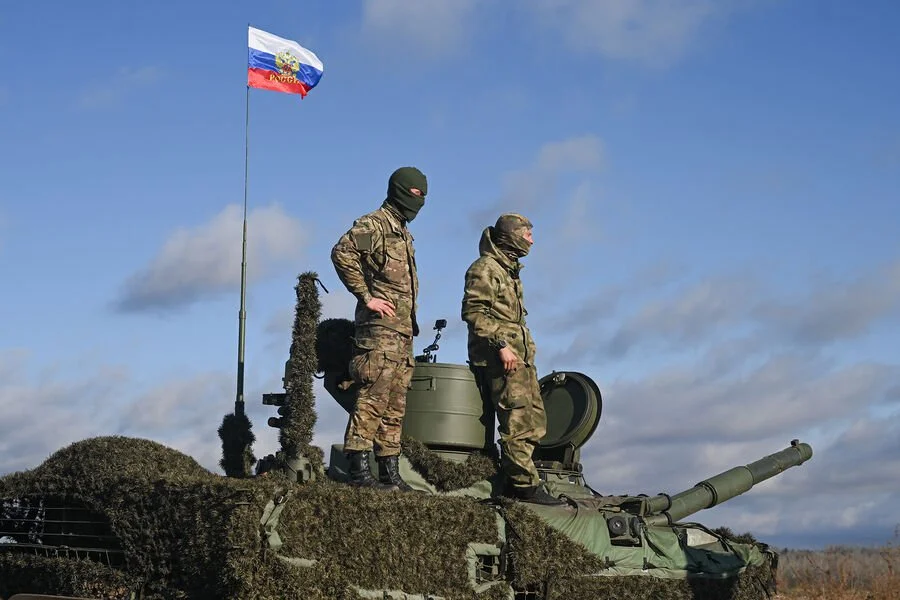
Russia’s government has backed a bill that would expand the grounds for deporting foreign nationals to cover about 20 additional administrative offences, including “discrediting” the army, distributing extremist materials, and displaying Nazi or extremist symbols. The proposal would also allow deportation for offences such as calls for terrorism, justification of terrorism, calls for sanctions against Russia, petty hooliganism, disobeying police, and violating rules for protests or public gatherings. The bill would also remove the requirement for a detailed personal-circumstances review before deportation in some cases, including certain drug-related administrative offences.
RIGRI’s comment: It appears that these proposals have the purpose of ensuring new citizens of the Russian Federation will be loyal to the state. The ongoing passportization process in the occupied Ukrainian territories would reduce the number of potential dissenters.
15th March 2026: Security forces descended on the "Funeral of Winter" metal festival in Yaroslavl. People were forced to the floor and stripped naked while searching for "forbidden" tattoos.
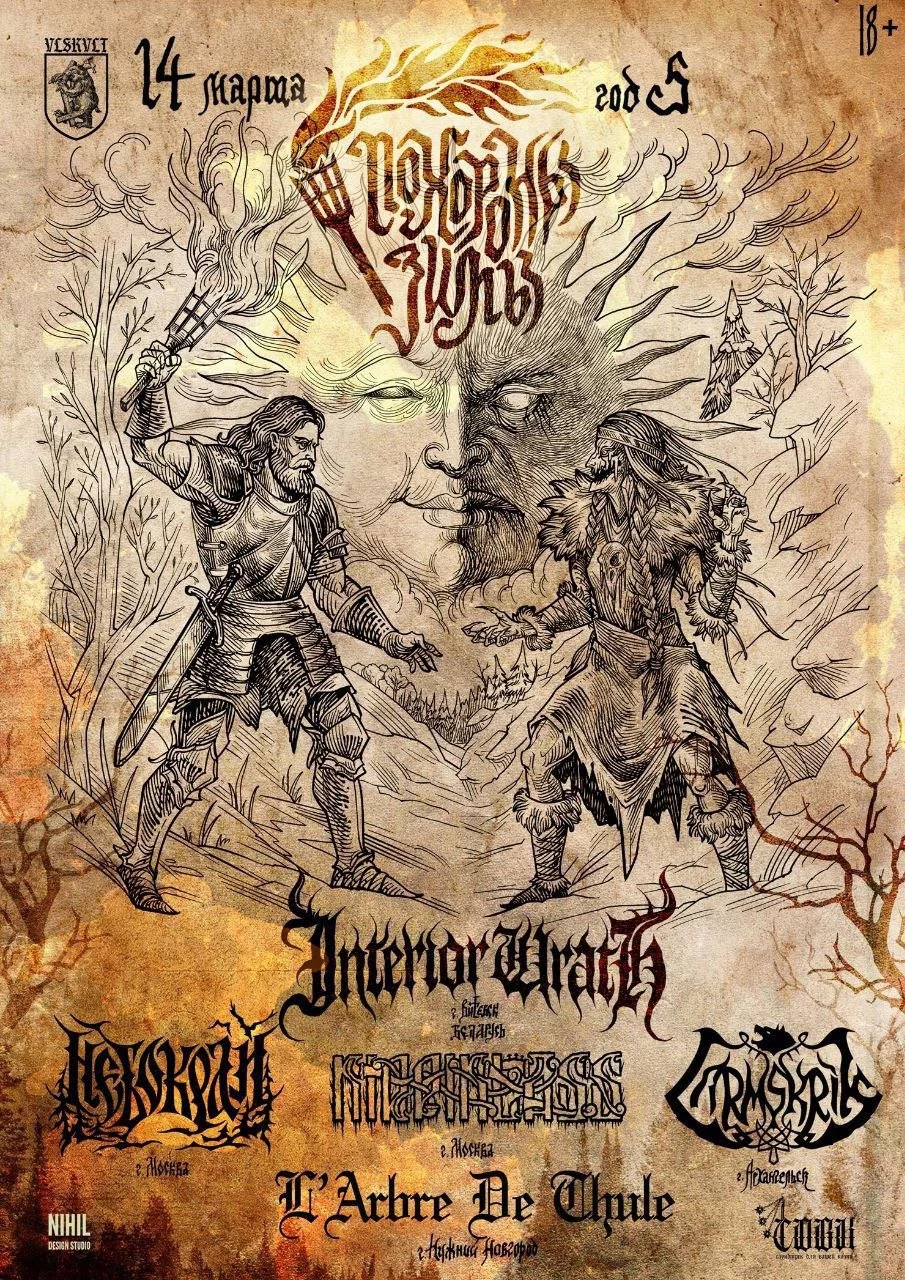
Security officers raided the “Funeral of Winter” metal festival in Yaroslavl on March 14, forcing attendees to lie face down on the floor and searching some of them for allegedly “banned” tattoos. Witnesses said some people were made to undress, had their hair cut, and were marked with insults such as “queer” and “fascist.” At the same time, a military commissariat official reportedly urged male attendees to join the war. Men were reportedly held for around five hours with their hands behind their heads, women were released earlier, and it remains unclear whether anyone was formally detained.
RIGRI’s comment: Under the auspices of counterterrorism, the state carries out a crackdown on cultural dissent. The display of certain nonconformist symbols, labelled as “Nazi tattoos,” has been used to justify beatings and repression. Only inactivity or state-sanctioned events are acceptable for security services.
13th March 2026: Khrushchev's great-granddaughter was recognised as a foreign agent.
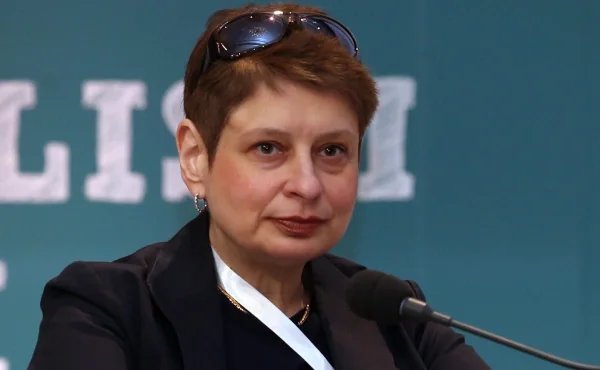
The Justice Ministry of the Russian Federation added political scientist and writer Nina Khrushcheva, the great-granddaughter of Soviet leader Nikita Khrushchev, to its “foreign agents” register on March 13, 2026. The ministry said she had spread what it called false information about government decisions, spoken out against the war in Ukraine, taken part in creating materials by designated “foreign agents,” and appeared on a platform provided by a foreign source while living outside the Russian Federation. The same update also added journalist Sergei Reznik, activist Alexei Nesterenko, economist Ekaterina Zhuravskaya, and publicist Vadim Shtepa to the list.
RIGRI’s comment: A milestone in regime walking back on elite infighting. Former members of the Soviet elite may now be coming under scrutiny. Not wannabe elites like oligarchs, but established descendants of former rulers. The next step would be going after Yeltsin’s family, which wouldn’t be the first time Putin reneged on his promise.
12 March 2026: Praesidium of the Presidential Council for Interethnic Relations—Year of Unity planning and National Policy Strategy implementation
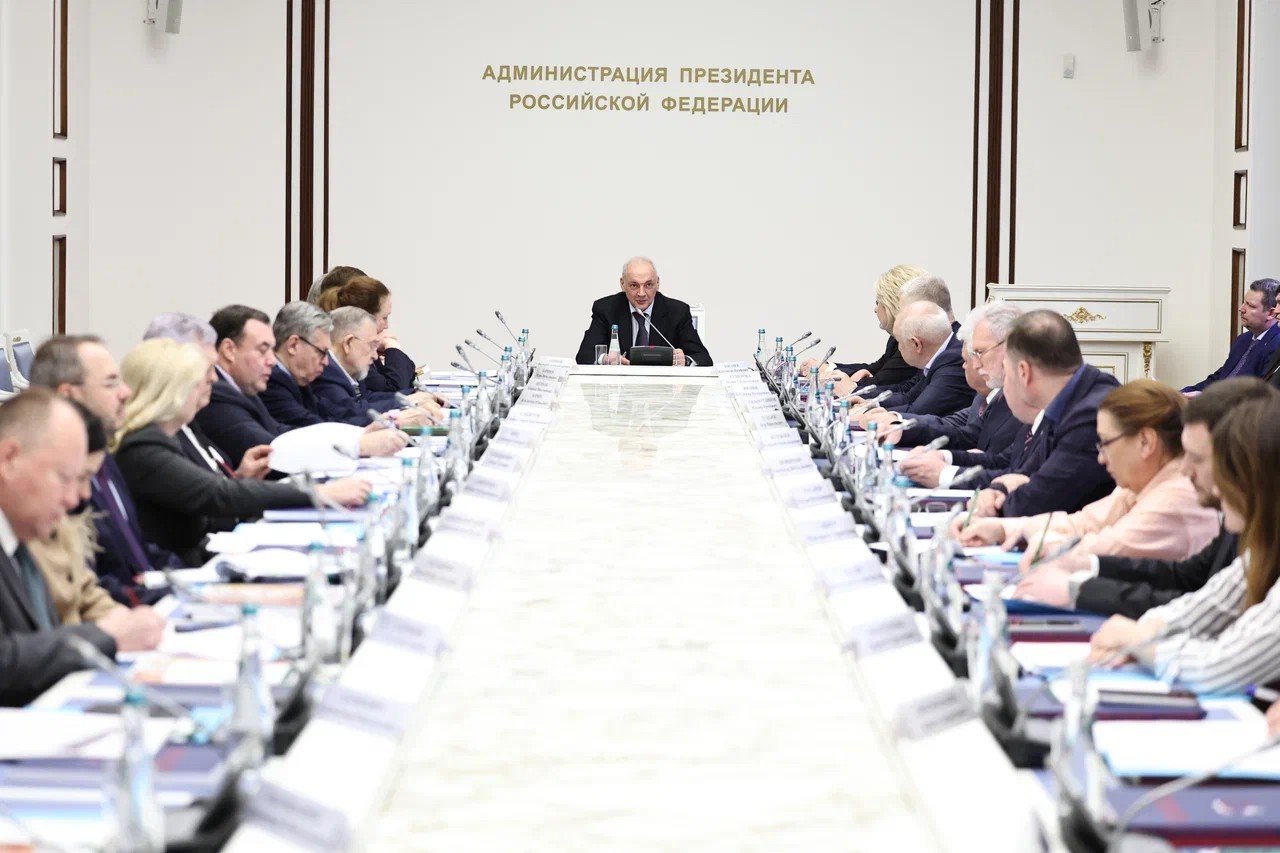
A praesidium meeting, chaired by Deputy Head of the Presidential Administration Magomedsalam Magomedov, focused on the Council’s participation in the Year of Unity of Russia’s Peoples and the organisational support of state national policy. The national policy portal reported a draft implementation plan for the 2036 National Policy Strategy with broad participation of all regions. A planned competence centre for national policy, and new projects (forums/festivals/media initiatives) were also suggested.
RIGRI’s comment: It shows identity governance as it is practised in the Russian Federation, managing multiethnicity via planned events, institutions, and metrics while promoting a single civic “Rossiiskii”(Russovian as suggested by RIGRI) identity. A special emphasis on multiethnic unity accompanies the war effort, creating an ideological surrogate intended to support the regime.
10th March 2026: Putin marks the 20th anniversary of the National Anti‑Terrorism Committee (NAC)
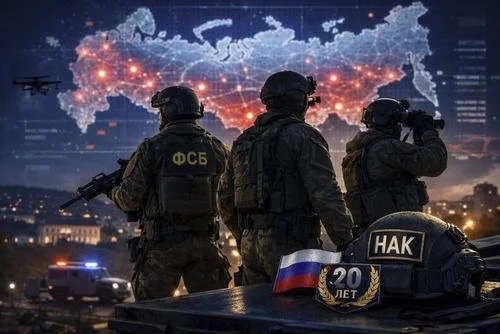
Vladimir Putin issued an official greeting to the National Anti‑Terrorism Committee on its 20th anniversary, praising NAK’s role in establishing a unified counterterrorism system and coordinating federal and regional agencies. The message presents counterterrorism work as an ongoing state-building process and highlights the committee’s contribution to national security and public stability.
RIGRI’s comment: The governance in the Russian Federation is based on security services. When anti-terrorism is synonymous with the state, the state is likely to see every opponent as a terrorist.The Russian regime currently does not distinguish between actual terrorists suspected of violent crimes against humanity and political opponents. Any form of popular dissent is perceived as a threat to public security.
Weekly Digest 03.03.2026 – 09.03.2026
7th March 2026: The Solzhenitsyn monument is planned to be moved from the centre of Vladivostok.
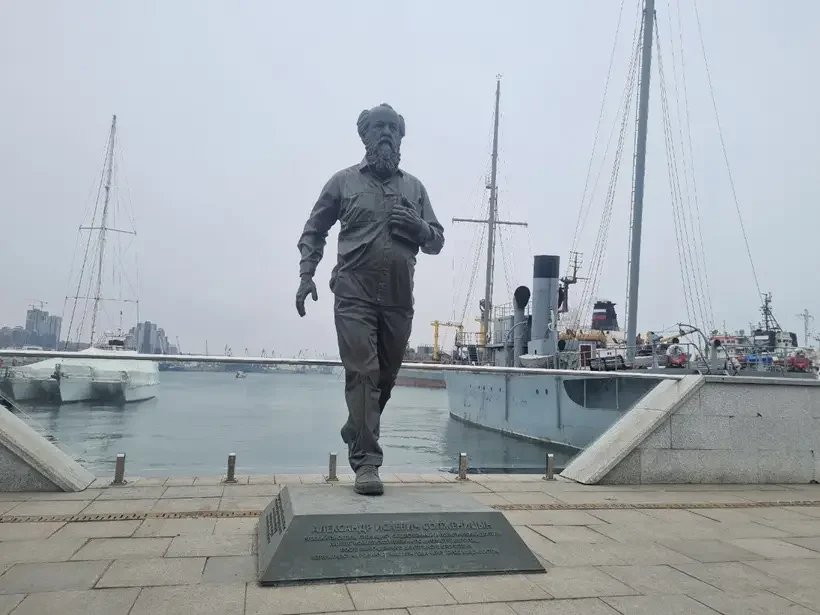
Authorities in Vladivostok plan to relocate the monument to Alexander Solzhenitsyn (Russian dissident during the Soviet period) from the city centre to Vera and Nadezhda Square on Ovchinnikova Street, near a memorial dedicated to victims of political repression. The city has awarded a contract worth 201,000 Rubles to dismantle, transport, and reinstall the 2.5-metre statue, with the work expected to be completed by 2 July 2026, the city’s anniversary day. The monument was erected in 2015 to commemorate Solzhenitsyn’s 1994 visit to Vladivostok, but it has remained controversial, has been vandalised several times, and has faced unsuccessful attempts at removal.
RIGRI’s comment: One of Putin’s favourite philosophers would not have received such treatment. Solzhenitsyn criticised Stalin, a political figure whom Putin sees as an ‘effective manager’ who won World War II. The re-Sovietization of the political space is undoubtedly leading to cultural “purges” that erase the memory of notable figures from the ranks of the Soviet opposition.
6th March 2026: The purges in Shoigu's entourage continue. Ruslan Tsalikov, his closest associate, is accused of embezzlement and bribery.
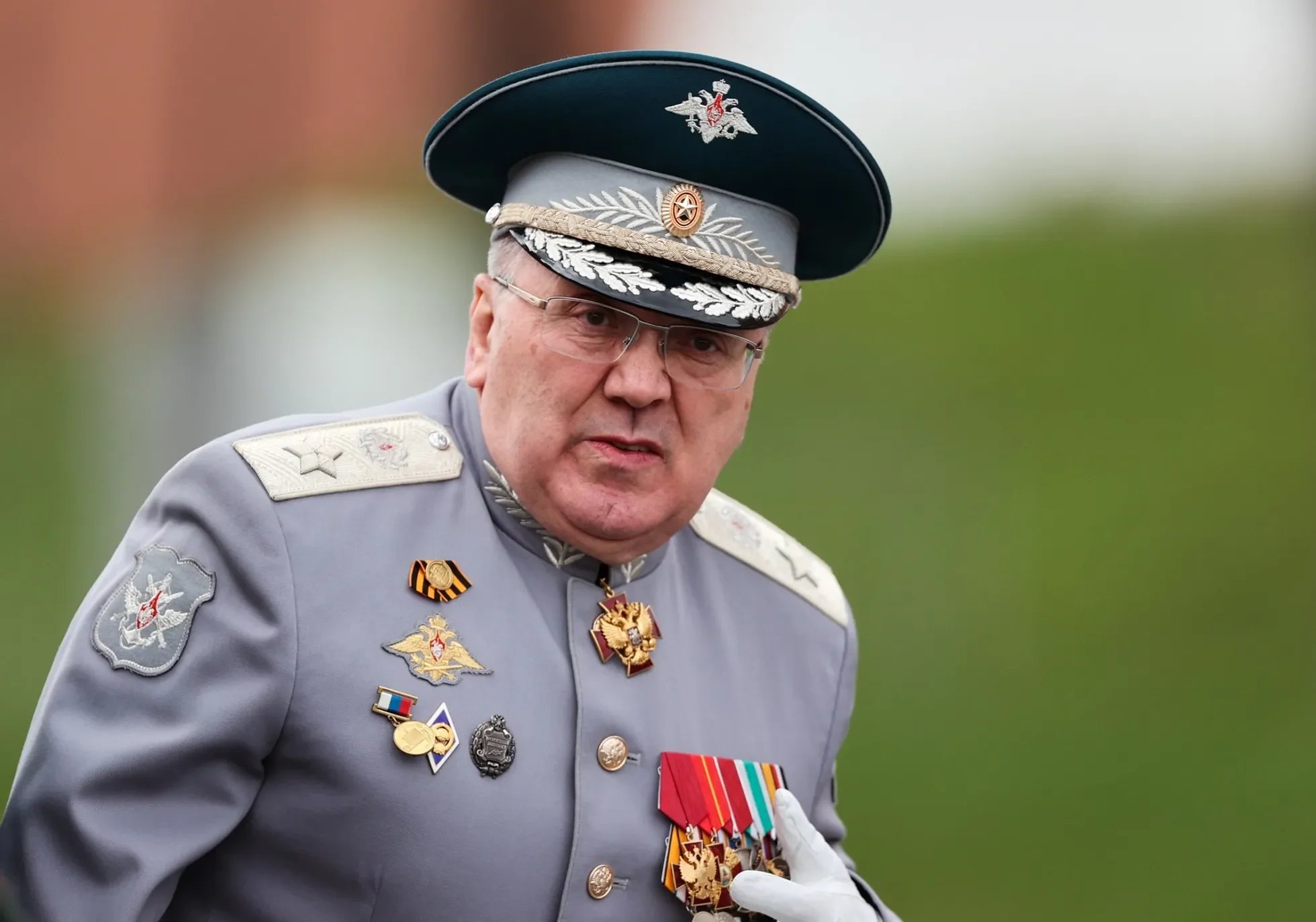
Former Russian Deputy Defence Minister Ruslan Tsalikov, one of Sergei Shoigu’s closest longtime allies, has been detained and accused of embezzlement, bribery, running a criminal group, and laundering criminal proceeds. However, he denies the charges and was placed under house arrest rather than sent to pretrial detention. Tsalikov is the latest senior figure from Shoigu’s former Defence Ministry team to face prosecution. He describes his decades-long association with Shoigu and notes earlier investigations into his family’s expensive real estate holdings. It also highlights that mil-bloggers welcomed the case against Tsalikov but were angered by the relatively lenient house arrest, while some commentators see the move as a sign that pressure may eventually reach Shoigu himself.
RIGRI’s comment: Going after Shoigu's long-term affiliates marks the army command purge from people who have failed to modernise the army, resulting in a long stalemate in Ukraine. They are also counting money, with Tsalikov being cooperative and not hiding the funds since he has not been detained.
6th March 2026: Students at the Moscow University of Oil and Gas were forced to take drone piloting courses. Refusal was threatened with expulsion.
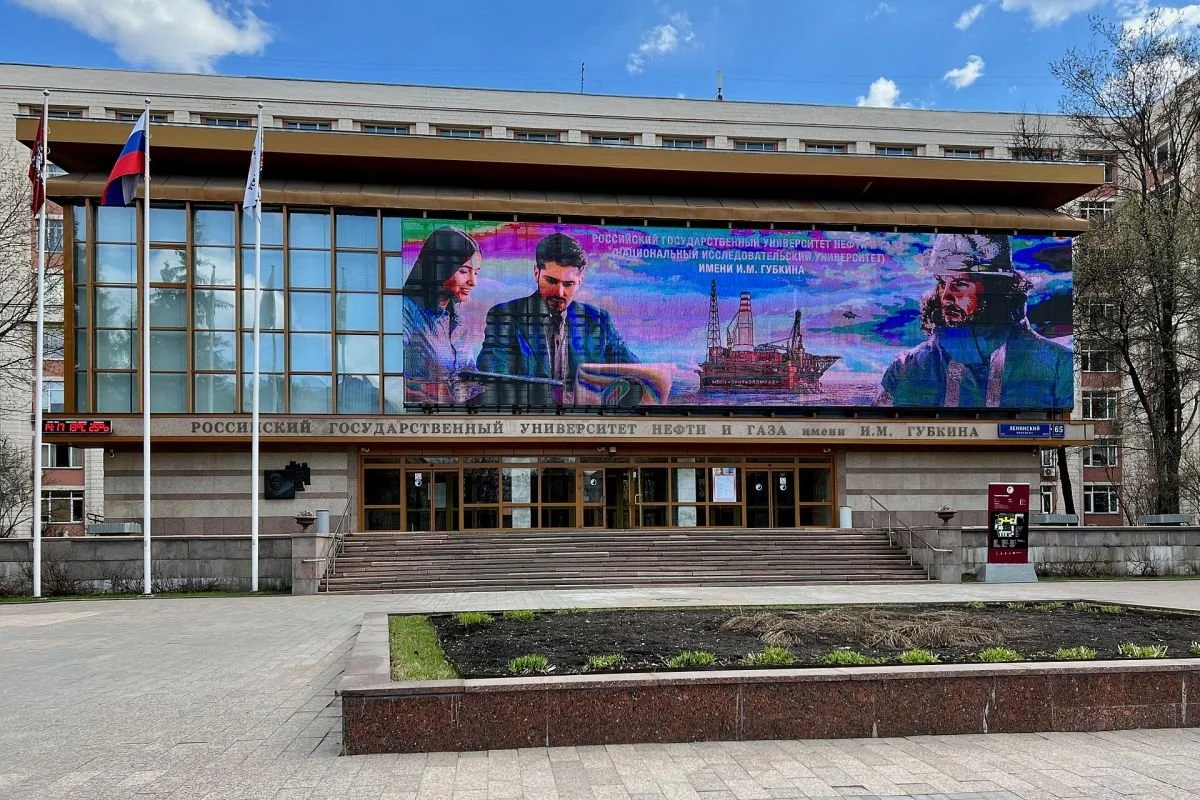
Third-year students at Gubkin Russian State University of Oil and Gas were forced to replace regular classes with a compulsory two-week drone operation course, which a conscientious objectors’ group says is the first documented case of students being sent to such training against their will. Students from the faculty of integrated energy security were told they would attend theory classes at the university starting March 9, followed by practical drone-piloting training from March 15 in Konakovo, Tver Region. Those who refused were allegedly threatened with expulsion, although the rights group said the threat lacks legal basis and provided a template statement for students who wish to refuse the training on conscience-based grounds.
RIGRI’s comment: First step in a return to military departments in civilian universities, which was done to increase the number of reservists available. Educational attainment is now, by definition, accompanied by the threat of conscription, as the state seeks new ways to increase mobilisation and replenish losses at the front.
4th March 2026: "All power comes from God, humble yourself" — Tyumen deputy urged against criticising the regime
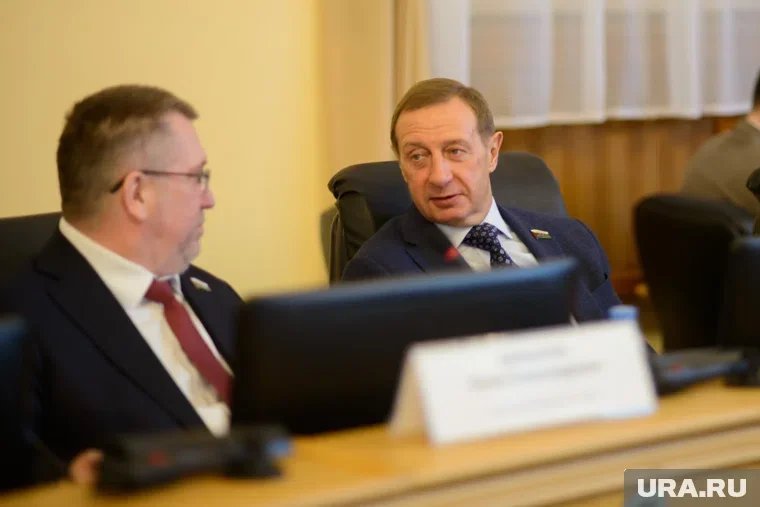
Tyumen regional legislator Alexey Salmin said people should not criticise the authorities because “all power is from God,” and argued that if someone dislikes the regime, it means they “have not yet understood something.” In the interview, Salmin also said that if a person supports the authorities, they should help them, and that every man today is obliged to support Vladimir Putin. The article adds that Salmin linked patriotism with rejecting an “easy” life and recalled his earlier controversial remarks about family life, including claims that women should leave work for household duties and that children are easiest to raise in hardship.
RIGRI’s comment: A clear explanation of what the Russian Federation desires from an ideology it keeps trying to create. An ideology of blind loyalty to the state, with the population having no choice but to obey it, and the state having complete sovereignty in decisions. No wonder the progress is slow, since it is hard to explain why it would be the optimal choice for the population.
3rd March 2026: The University of California, Berkeley, was included in the list of undesirable organisations.
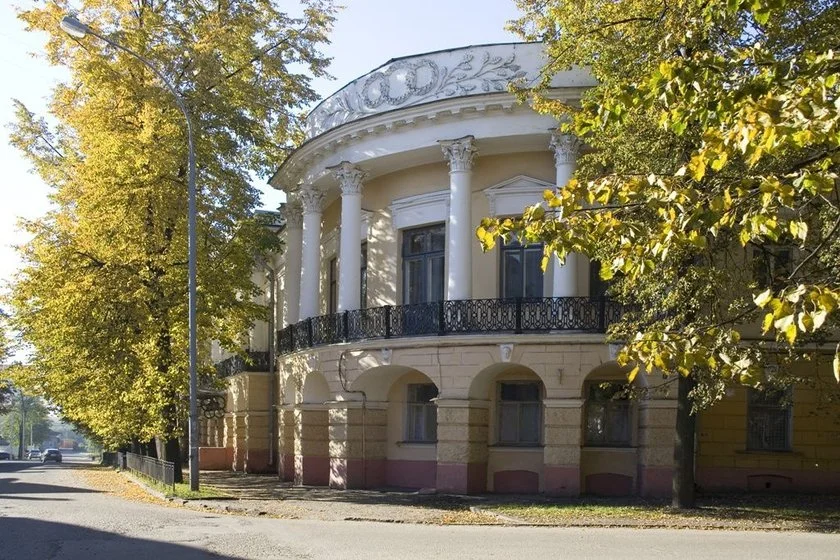
The Ministry of Justice of the Russian Federation has included the University of California, Berkeley, in the register of organisations whose activities in Russia are recognised as undesirable, according to the agency's website. In addition, the Russian-speaking Academic Science Association (RASA) was included in the list of undesirable organisations.
RIGRI’s comment: Going after Russian-speaking Academic Science alongside additional notable universities sends a clear message that getting an education abroad is a one-way ticket for Russian academics, especially when university staff are being fined for mentioning "undesirable" organisations in dissertations published on university websites. This measure will likely exacerbate the brain drain and further reduce the likelihood that scientists will be able or willing to return to the Russian Federation.
Weekly Digest 24.02.2026 – 02.03.2026
2nd March 2026: Russia’s Supreme Court has declared the Anti-War Committee of Russia a "terrorist" organisation.
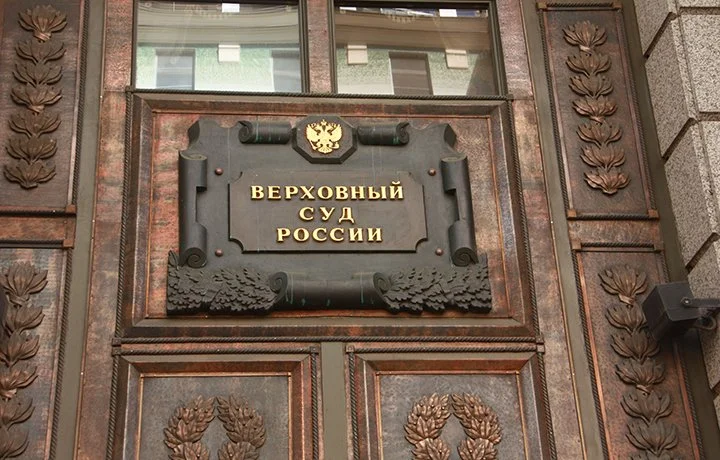
Russia’s Supreme Court, at a hearing held behind closed doors, granted a request from the Prosecutor General’s Office to designate the Anti-War Committee of Russia a “terrorist” organisation and ban its activities in the country. Judge Oleg Nefedov delivered the ruling. He had previously declared the non-existent "international LGBT movement" and "international Satanism movement" to be "extremist" and designated Alexei Navalny's Anti-Corruption Foundation a "terrorist" organisation. The committee was founded in February 2022 to oppose Russia’s full-scale invasion of Ukraine, and its members include prominent exiled Kremlin critics such as Mikhail Khodorkovsky, Garry Kasparov, Dmitry Gudkov, Vladimir Kara-Murza, Yekaterina Shulman, and Viktor Shenderovich. The FSB had already opened a criminal case against all committee members last year, alleging involvement in a “terrorist community” and a seizure of power, citing their support for Ukraine, the 2023 Berlin Declaration condemning the war, and their work with a Russian democratic platform in the Parliamentary Assembly of the Council of Europe. Previously, the group was also labelled “undesirable.”
RIGRI’s comment: The regime of the Russian Federation sees any opposition besides systemic opposition that is loyal to the government as a threat. Since public politics in the Russian Federation is closed to them, why not try other ways? The obviously politicized designation of the organization as terrorist and its exclusion from public politics may lead to the radicalization of its members. The Russian regime is attempting to draw a line and pre-emptively eliminate the possibility of opposition figures returning to Russia.
1st March 2026: Putin’s condolences over the death of Ali Khamenei
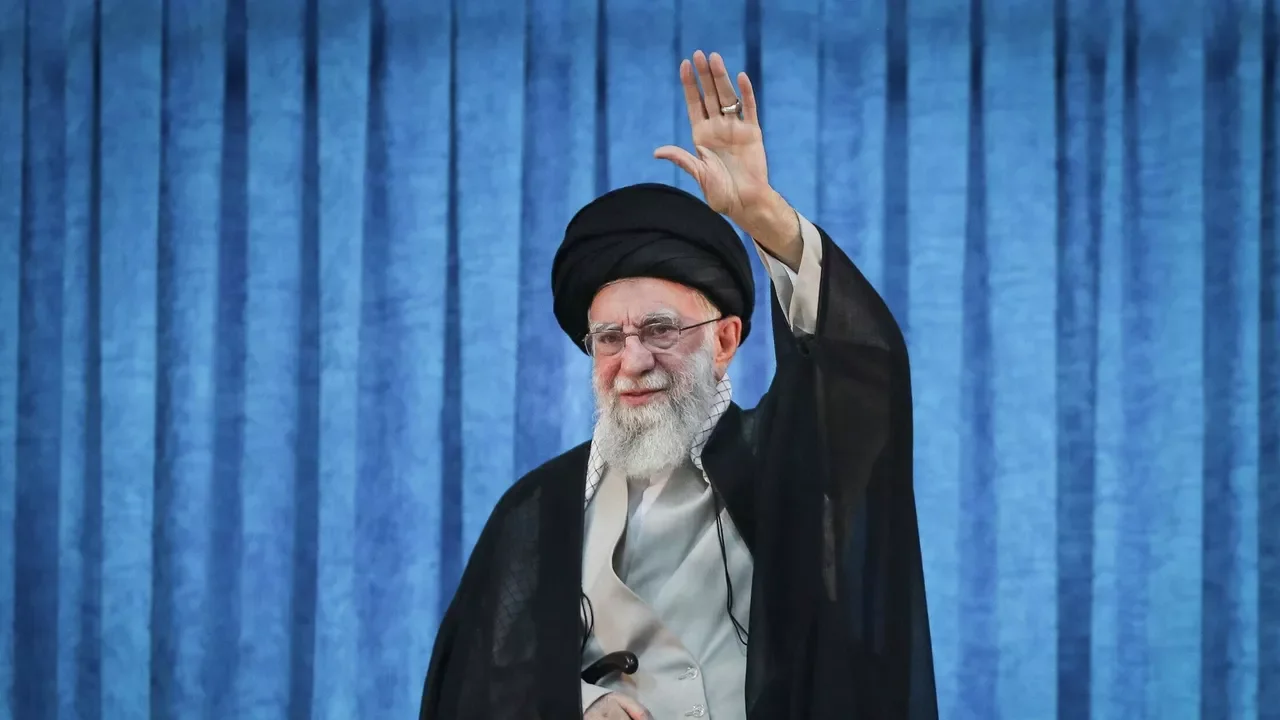
Vladimir Putin sent his condolences to Iranian leader Masoud Pezeshkian following the death of Ayatollah Ali Khamenei and his family. In his message, the head of state emphasised that the incident constitutes an act that grossly violates universal human principles and international law.
RIGRI’s comment: Putin does not mention anything about who killed Khamenei, preferring to keep in contact with everyone for as long as he can. Had there been an official ideology in the Russian Federation, such a vague statement on the murder of the head of a partner state (that is not a military ally) would have been impossible.
1st March 2026: A ban on foreign letters on public signs has come into force in Russia

Russian media reported that new rules took effect on 1 March requiring publicly displayed consumer information (signs, labels and similar) to be in Russian as the state language, while allowing duplication in republic state languages/other languages of Russia’s peoples under regional law. Separately, the Duma speaker highlighted that new housing complexes may be named only using Cyrillic, signalling a broader “Cyrillic-first” turn in the visual semantics of cities.
RIGRI’s comment: The Russian Federation is pursuing a course aimed at severing all cultural ties with the Western world, while Western culture continues to remain attractive to Russian youth. The ban on the use of foreign letters on signage is unlikely to change this situation, but it fits neatly into the demonstrative patriotic zeal of officials.
26th February 2026: Denying the "genocide of the Soviet people" will soon carry a prison sentence of up to five years. What does that term even mean?
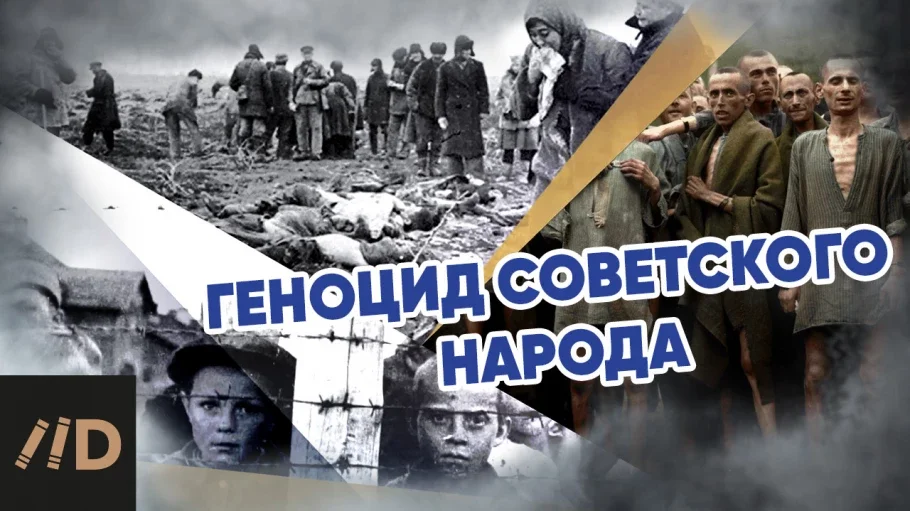
The new bill would criminalise publicly denying or insulting the memory of the so-called “genocide of the Soviet people,” but the deeper purpose of the concept is political rather than purely historical. Citing historian Konstantin Pakhalyuk, the article argues that the idea is meant to answer recurring accusations that the USSR helped start World War II by recasting the Soviet people as not only Nazism’s main conqueror but also its main victim, and therefore not responsible for unleashing the war. Furthermore, this reading is backed by documents from the first case to address the issue, where prosecutors said that “distorting” World War II history and comparing Nazism with other regimes serves to shift blame onto modern Russia, something they portrayed as a threat to Russian national security, European cooperation, and international stability.
RIGRI’s comment: A greater clarity on why the Russian Federation is proceeding with the ‘Soviet people’ long after the USSR is gone. It might be gone, but World War II lies in the foundation of the international order. Beyond recreating a multiethnic identity not based on Russian identity but on a loyalty to the state, it creates an image of victimhood, and victims cannot be the main perpetrators, which the USSR is often accused of.
26th February 2026: Russia will not extradite migrants fighting in military formations to other countries.
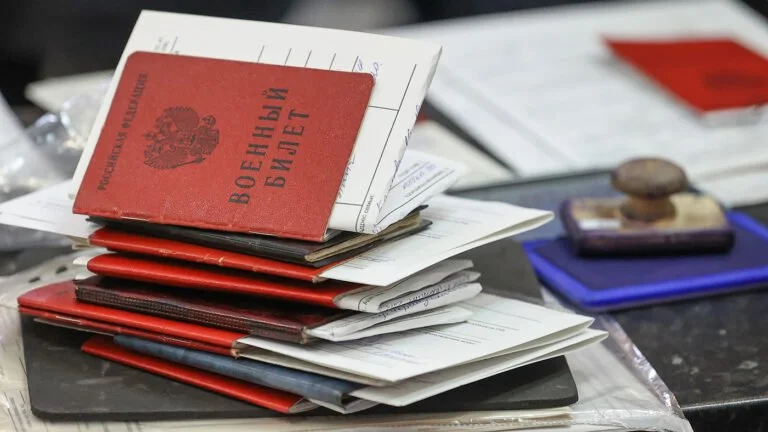
Russia’s State Duma has passed a law banning the extradition of foreign nationals and stateless people who have served or are serving under contract in the Russian armed forces or other military formations, if another country wants to prosecute them or enforce a sentence against them. The measure is part of a broader legislative package that also seeks to block deportation, administrative expulsion, and other forced-removal decisions against such people, with officials saying the goal is to protect them from what Russia calls unjustified criminal prosecution abroad for participating in the war. Lawmakers pointed to cases in which foreign citizens who fought on Russia’s side were later punished in their home countries, including examples from Uzbekistan and Kyrgyzstan.
RIGRI’s comment: This represents one of the few precedents of protecting the legal rights of migrants. At the same time, the right to reside in Russia and to legalize their status will be granted to a group considered among the most prone to violence. In general, the Russian Federation appears willing to expand the circle of its citizens, particularly by incorporating groups loyal to the authorities.
25th February 2026: Western analysts say Russia is on track to lose 50,000 soldiers a month. A Meduza investigation suggests those estimates are based on manipulated data.
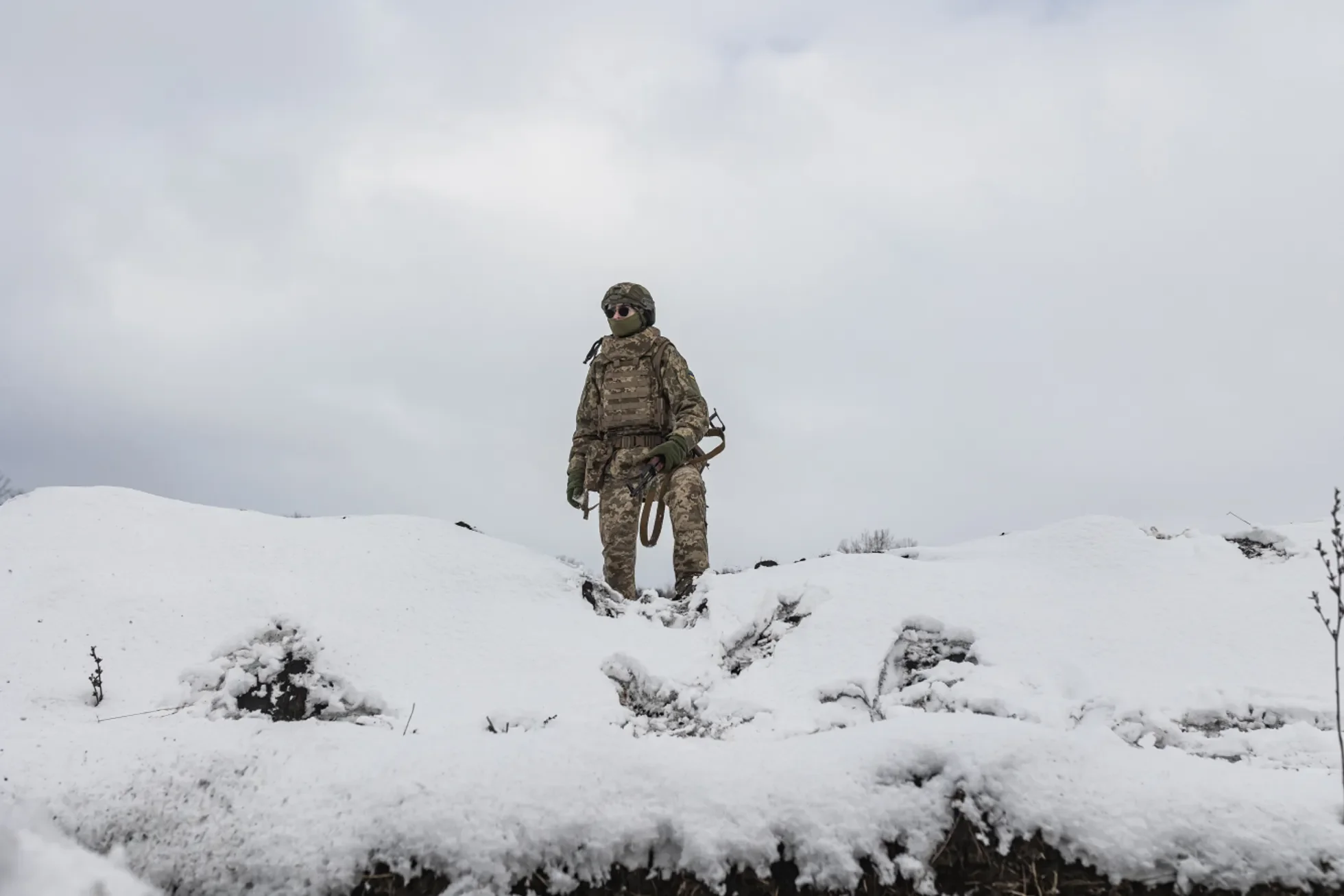
Meduza argues that widely cited Western estimates of roughly 50,000 Russian losses per month are overstated because they rely on distorted open-source data rather than a real battlefield turning point. According to the investigation, Russia has been retroactively declaring large numbers of previously missing soldiers dead through court procedures, which makes many older deaths show up in databases as if they were new 2025 casualties. After adjusting for those reclassifications and for improved obituary-database coverage, Meduza estimates current Russian battlefield deaths at under 600 per day and total irreversible losses at about 27,000 per month, far below the headline figure.
RIGRI’s comment: It is important not lose track and adjust methodology, as the dataset is changing. Otherwise, analysis is misleading and can result in ineffective policies, such as a decrease in aid to Ukraine. After all, if the army has gotten more efficient with a decrease in aid, does Ukraine need additional aid?
Weekly Digest 17.02.2026 – 24.02.2026
24th February 2026: Russian Ministry of Education introduces an official list of permitted toys for kindergartens.
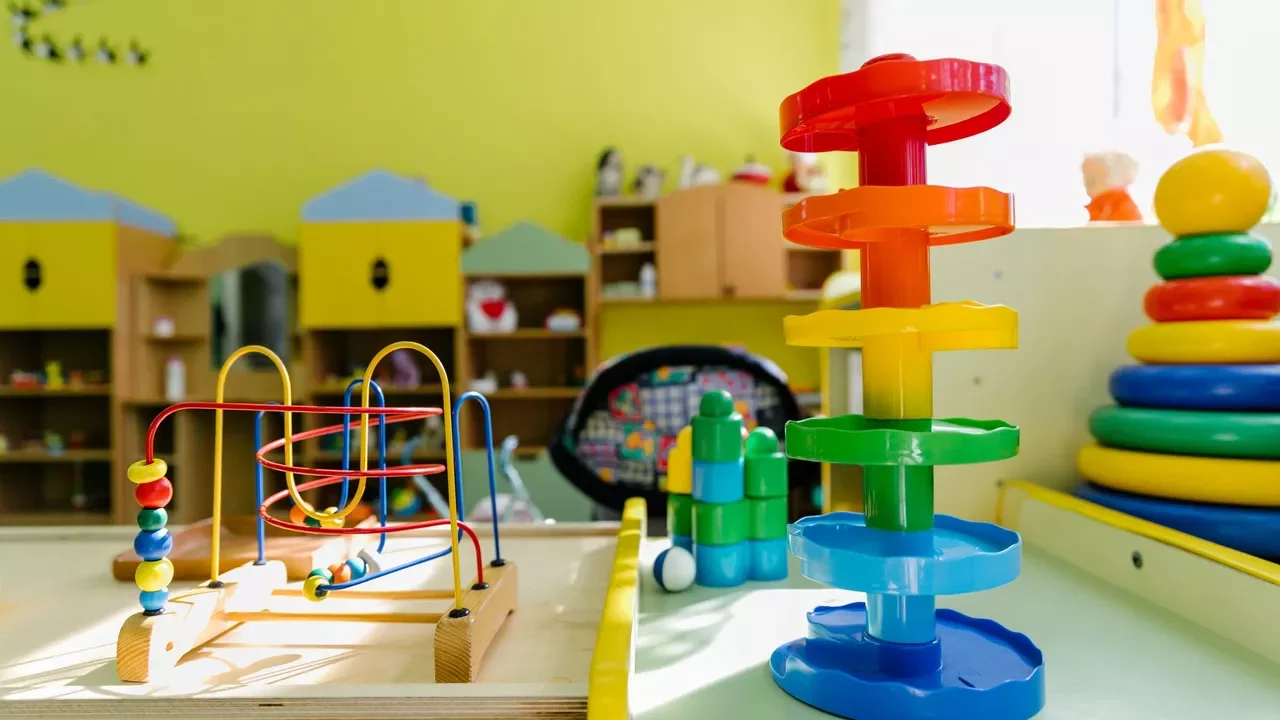
The Ministry of Education of the Russian Federation will develop a list of games and toys for kindergartens that align with "traditional Russian values", Minister Sergey Kravtsov said in an interview with RIA Novosti. He added that such toys would help children learn about Russia’s historical figures, cultural traditions, folk arts and crafts, and the country’s achievements.
RIGRI's comment: The Russian state continues its attempts to politically regulate everyday life. The so-called “traditional values” are being instrumentalised for political control, while compliance with them is complicated by the absence of a clearly defined and formally codified list of such values. At the same time, the state seeks to monopolise the definition of public and social values.
23rd February 2026: Vladimir Putin issues 23 February Defender of the Fatherland Day greetings.
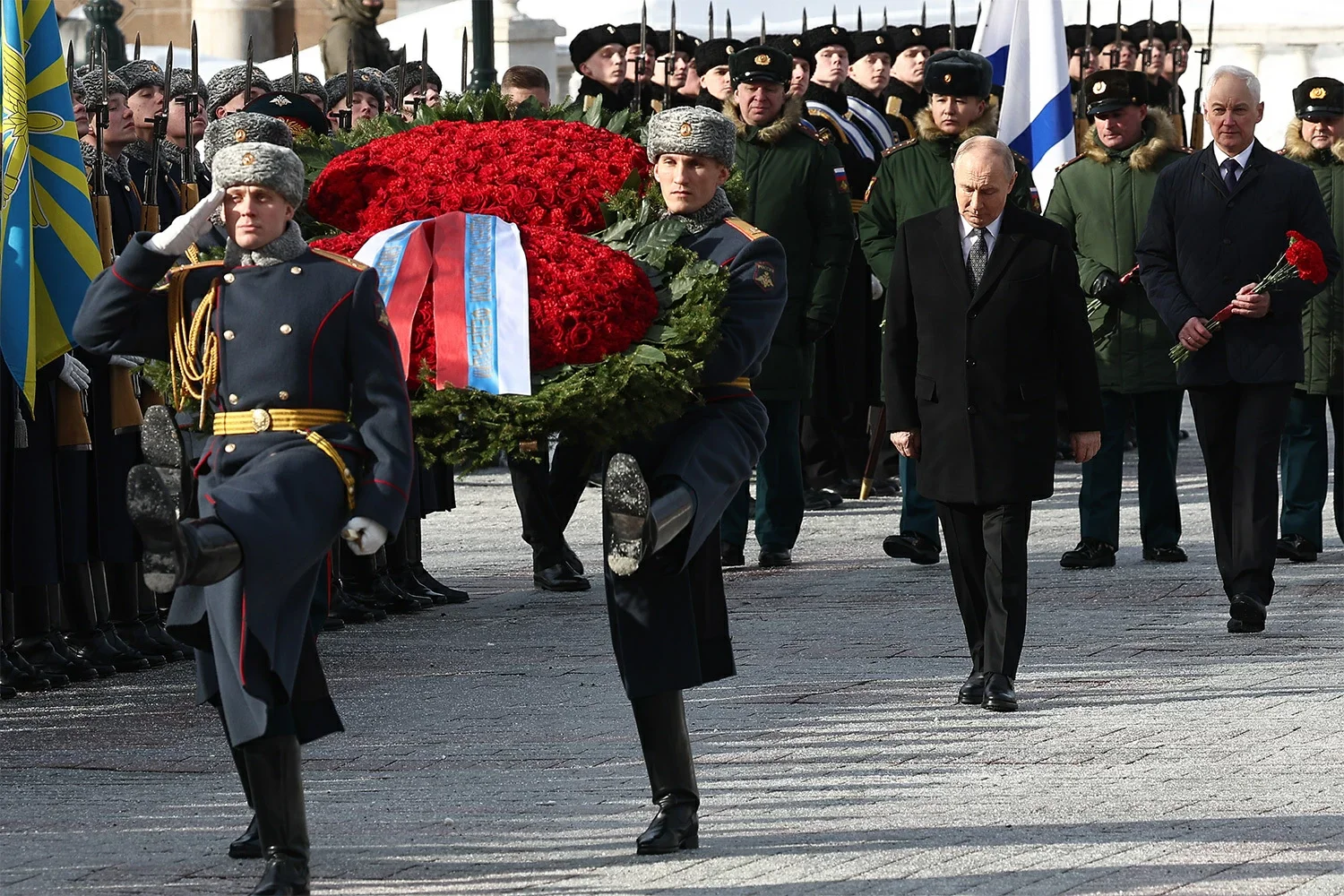
In a Defender of the Fatherland Day address, the president congratulated citizens and servicemen and described the holiday as a symbol of pride in the armed forces and navy. The message framed military service and readiness to defend the country as a shared national value and a source of continuity across generations. The president added that this year has been declared the Year of Unity of the Peoples of Russia. The country honours unity and knows that people of different nationalities and religions have always risen to defend the country.
RIGRI’s comment: This is a central state-identity ritual, reaffirming a patriotic hierarchy in which collective security and military duty are presented as foundational civic virtues. Tracing its origin to Soviet history, this day is a reminder that the state of the Russian Federation does not encompass the whole history of Russia.
23 February 2026: Dispersal of Maslyanitsya in Baksheevo (Moscow oblast): Orthodox activists deny their involvement, Z-bloggers are indignant.
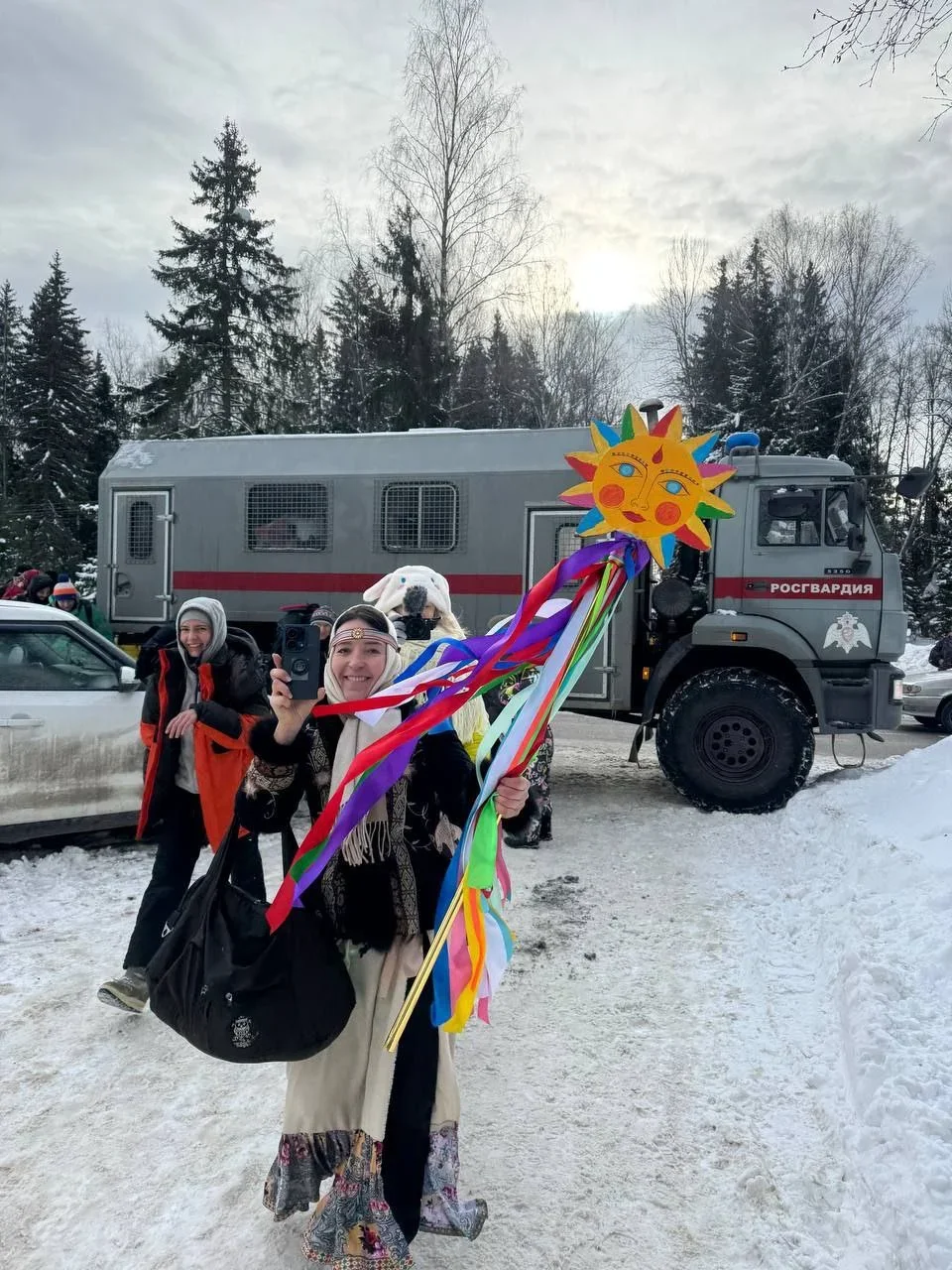
A police breakup of the long-running “Bakshevskaya Maslenitsa” festival near Moscow sparked backlash, after which the Orthodox activist group “Sorok Sorokov” said it did not ask authorities to cancel the event and only came after learning of the ban. However, prior posts from the group suggest its activists were present with police, and at least one person was detained after allegedly swearing during an exchange with a “Sorok Sorokov” representative. Pro-war bloggers condemned the situation as absurd and shameful, while “Sorok Sorokov” justified its attention by claiming the celebration may have included “pagan rites,” especially burning an effigy.
RIGRI’s comment: Maslenitsa is one of the few explicitly ethnic Russian holidays that still exists. The fact that this public event was denied on the grounds of security, while the Chinese New Year is celebrated at many sites in Moscow, sends a clear signal that Russian ethnic identity is not encouraged in the Russian Federation. Second, it shows that some loyalist activists, in their desire to serve the state, can even go against parts of their own identity, as ‘Sorok Sorokov’ is supposedly an Orthodox organisation, yet it suppressed a holiday that can be explained as Russian Carnival.
21 Feb 2026: Language diversity framed as national strength; “Day of Languages of Russia’s Peoples” recalled
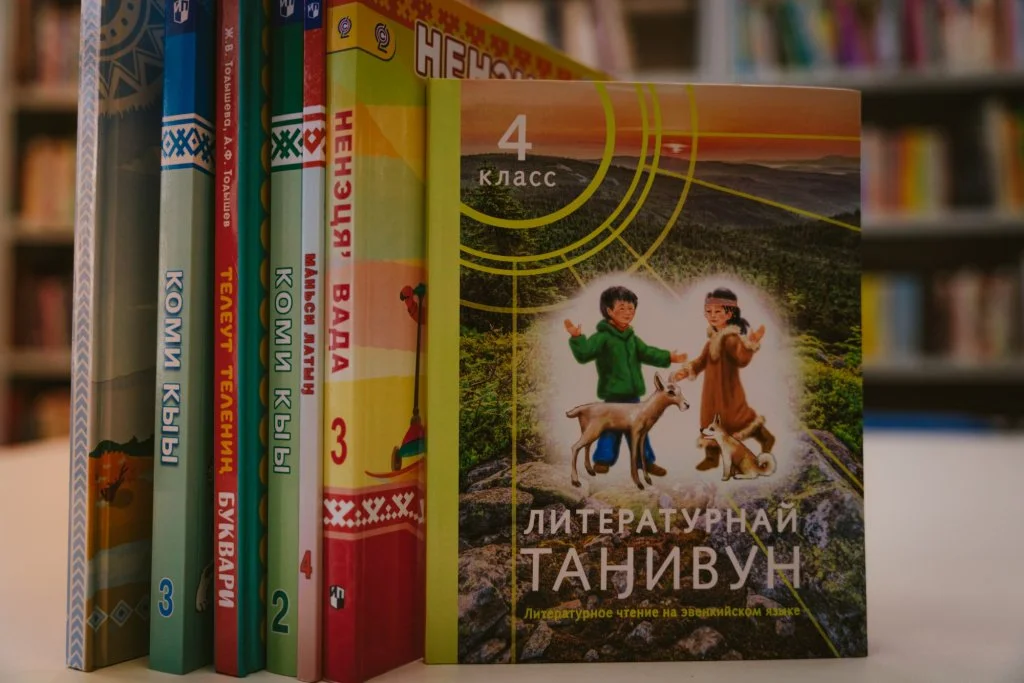
Maria Zakharova made remarks on International Mother Language Day: many indigenous languages are studied in schools and taught in higher education, supported by written standards and media. The article also recalled the state’s new “Day of Languages of the Peoples of Russia” (first celebrated 8 September 2025) and its linkage to Rasul Gamzatov, a Soviet Dagestani poet, explicitly pairing the minority languages with Russian as a bridge to broader fame.
RIGRI’s comment: This is identity governance through language, affirming multiethnic plurality, keeping the Russian language as the integrative medium, a core “Rossiiskii”/Russovian state identity formula. In the Russian Federation, Russian is just a language, not an ethnicity.
20th February 2026: The Museum of the History of the Gulag will become the Museum of Memory of the Victims of the Genocide of the People of the USSR
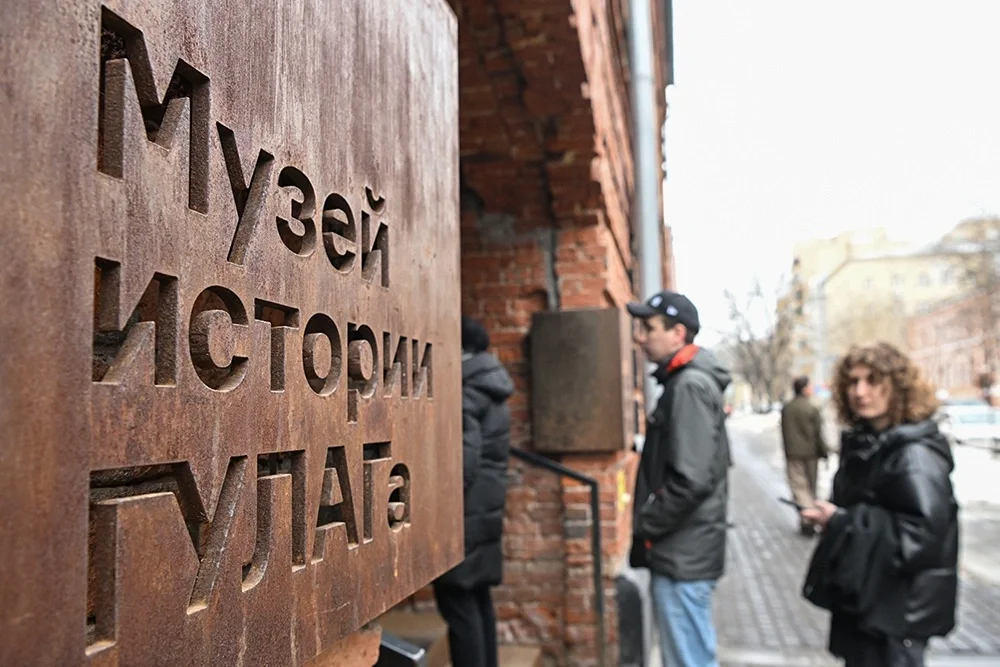
Moscow’s Gulag History Museum, which stopped operating in November 2024 after a fire-safety inspection, is set to be rebranded as the “Museum of Memory” focused on victims of what officials call the “genocide of the Soviet people” and Nazi war crimes during World War II, with reopening planned for 2026. Reports say the new concept will draw on archival materials from the “Without Statute of Limitations” project and will include sections on manifestations of Nazism, trials of Nazi criminals, and evidence related to biological weapons testing, including digital features for preserving personal family histories. Natalya Kalashnikova (previously head of the “Smolensk Fortress” museum) has been appointed director, while questions and controversy remain over what happens to the former repression-focused exhibition and the museum’s thousands of artefacts.
RIGRI’s comment: The Russian Federation is changing focus from inner repression by the Soviet state to the continuation of the construct of the ‘Soviet people’, even though the Soviet Union is long gone. The Russian state continues a policy of official Sovietization, denying or erasing from public memory the crimes of the Soviet authorities. The primary reason for this is that the current Russian leadership identifies itself with the Soviet past and constructs its identity on that foundation.
18th February 2026: The Duma approved a bill on the prevention of "evasion of the defence of the country"
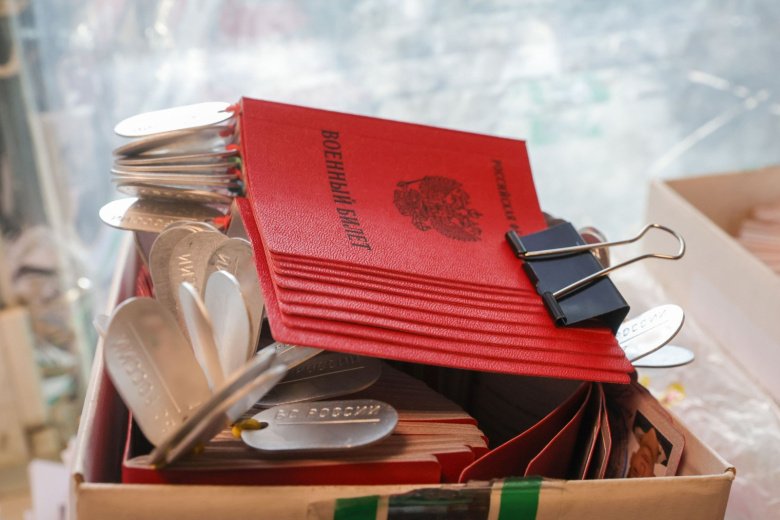
On 18 February 2026, Russia’s State Duma unanimously approved in first reading amendments to the 2016 “prevention of offences” law, adding “prevention/suppression of evasion of the duty to defend the Fatherland” and “countering distortion of historical truth” to the list of areas covered by preventive measures. Sponsors say this would empower security and law-enforcement bodies to act earlier via warnings, “preventive conversations,” legal education, and possible preventive supervision of people previously convicted under relevant articles (including “rehabilitation of Nazism,” insulting veterans, or evading military service), arguing that a “hybrid war” fosters “incorrect” views of Russia’s history. During the debate, some deputies questioned how police can objectively judge contested historical issues, while critics warn the measure could broaden enforcement around “memory” laws and be used for political pressure.
RIGRI’s comment:The Russian Federation seeks to militarise public consciousness in the absence of more effective means of increasing support for the so-called “special military operation.” The measures employed include declaring any criticism of military service unacceptable, while even a simple reluctance to serve in the armed forces is treated as an existential threat to the existing order. This process goes beyond merely tightening censorship; it involves the targeted cleansing of the information space.
Weekly Digest 09.02.2026 – 16.02.2026
16th February 2026: The 14th Free Russia Forum opened in Vilnius today
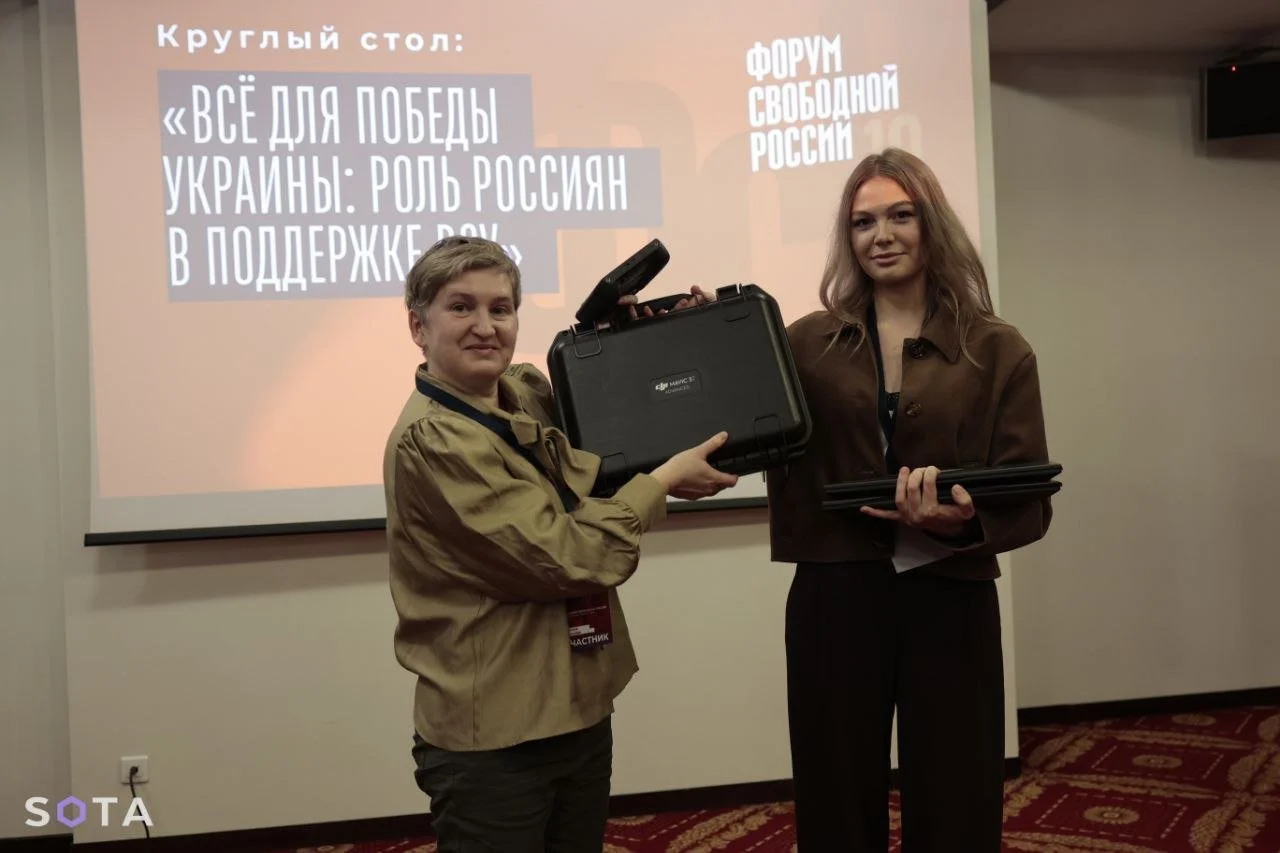
The forum coordinates the efforts of the Russian opposition and plans further actions to counter the Russian Federation’s regime. It has brought together various political forces to discuss key issues related to political activity in exile.
RIGRI’s comment: The forum demonstrates a high degree of cooperation among political forces of diverse orientations and reflects the opposition’s commitment to overcoming political differences. Notably, the presence of the Russian armed opposition, primarily the political representatives of the Russian Volunteer Corps, who now participate in opposition activities on a regular basis, merits particular attention.
11th February 2026: The Kazakh authorities have agreed to extradite Yulia Emelyanova, a former activist of Navalny's headquarters, to Russia. Formally, she is accused of stealing a phone.

Kazakhstan’s Prosecutor General approved Russia’s request to extradite St Petersburg activist and former Navalny volunteer Yuliya Emelyanova, who has been held in a detention centre.
Russia formally accuses her of stealing a taxi driver’s mobile phone worth about 12,000 Rubles. Emelyanova and human-rights advocates say the case is fabricated and tied to her political activity. Her lawyer and support groups say the extradition order was issued without proper notification and before Kazakhstan finished considering her asylum request, which they call a procedural violation.
RIGRI’s comment: A culmination of a 5-month trial, this deportation reminds us about the strong connection between the Russian Federation and the Central Asian states. It is a reminder that Russian emigres should be vigilant and avoid states with extradition treaties, even if only passing through in transit.
10th February 2026: Emergency doctor Alexander Polupan saved Navalny after being poisoned with Novichok. Then the doctor went to Latvia and received a license, but faced a ban on the profession. He is not alone.
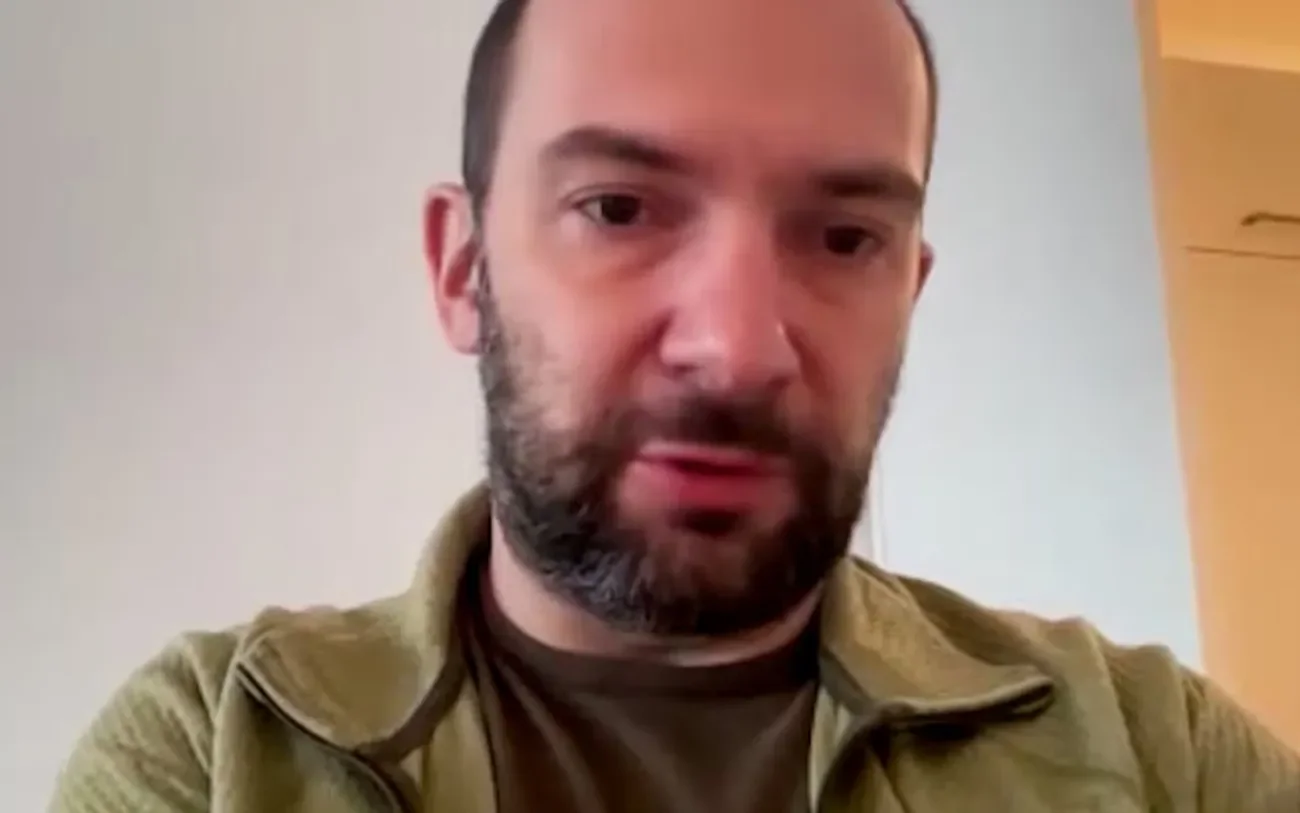
Latvia introduced restrictions in summer 2025 barring Russian and Belarusian citizens from working at “critical infrastructure” sites, and at least 100 people reportedly lost their jobs as a result. One of such people is an ICU doctor, Aleksandr Polupan, who helped treat Alexei Navalny after the 2020 Novichok poisoning, and later moved to Latvia, learned Latvian, obtained a medical license, but was blocked from hospital work after Latvia’s State Security Service refused to grant him an exception permit. No exception requests had been approved as of early February 2026, leaving Polupan and others effectively shut out of their professions, forcing him to look for employment elsewhere.
RIGRI’s comment: Currently, Russian identity is still widely equated with the possession of a Russian passport. While explicitly political Russians who openly oppose the state may find refuge in the Baltic states, this option is far more limited for others. Diaspora activities in territories formerly under Soviet control remain constrained due to significant security concerns on the part of local authorities.
9th February 2026: State Duma committee backs administrative fines for films without distribution certificates that “discredit traditional values” according to the Ministry of Culture

From 1 March 2026, Russia’s Ministry of Culture will start checking online films and series that lack distribution certificates for possible “discrediting” of traditional spiritual values. Reviews will be triggered by any citizen’s complaint and assessed via an expert mechanism. If violations are found, the ministry will send its conclusion to Roskomnadzor, which can require platforms to restrict access within 24 hours, preferably by deletion. Separately, a Duma committee backed amendments introducing administrative fines for distributing this kind of content up to 3 million Rubles after 1 March 2026, with the possibility of avoiding penalties by promptly deleting content after Roskomnadzor’s demand.
RIGRI’s comment: This frames “traditional values” as a legally enforceable boundary of cultural citizenship, strengthening a conservative moral definition of national identity and legitimising state oversight of media content. The authorities are expanding their efforts to control and remove content, which will result in higher operational costs for streaming platforms. However, the effectiveness of these measures regarding officially inaccessible platforms, which can only be accessed via VPN, will remain critically low.
9th February 2026: A resident of the Murmansk region was fined under the article on discrediting the army because of likes on YouTube

A court in the Murmansk region fined 72-year-old Vasiliy Yovdiy 30,000 Rubles under the administrative article on “discrediting” the Russian army, for liking videos on YouTube, the first known case of this kind. According to the reports, FSB border officials gained access to his phone and found “liked” videos; the court treated his likes as a public “approval reaction,” including under videos linked to people labelled “foreign agents” and one about the killing of General Igor Kirillov. Lawyers and commentators note the contradiction that YouTube likes are generally not visible to other users and criticise the ruling as poorly reasoned and procedurally dubious.
RIGRI’s comment: As mentioned in the article, YouTube likes are non-public and are seen only by the user. Furthermore, likes could have been used to add a video to the ‘liked’ playlist, to make it easier to find later. Treating it as an agreement with the video’s message makes any YouTube user in the Russian Federation a potential target for repression.
Weekly Digest 02.02.2026 – 08.02.2026
6th February 2026: St. Petersburg scientist Alexey Dudarev was accused of treason for publishing scientific journals that "may have been read by Norwegian intelligence."
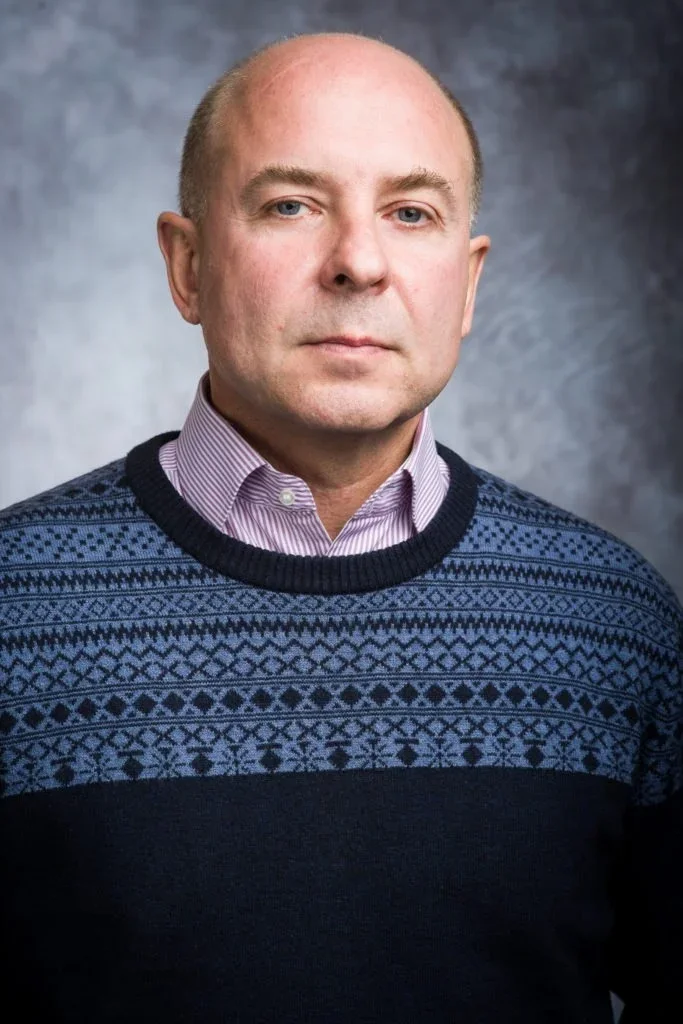
In St. Petersburg, scientist Alexei Dudarev, a Doctor of Medical Sciences and chief researcher at the Northwestern Scientific Centre for Hygiene and Public Health of Rospotrebnadzor, has been arrested on treason charges. The basis for the scientist's criminal prosecution was Dudarev's publications in open international scientific journals of the Arctic Monitoring and Assessment Programme (AMAP). The programme operates within the framework of the Arctic Council, an intergovernmental forum of which Russia is a member. Investigators claim that information from the scientific publications could have been accessed and used by Norwegian intelligence.
RIGRI’s comment: Treating openly published information in a scientific journal as a treasonable offence is a guaranteed way to stop international communication. The Russian Federation seeks to sever ties with Western society, cutting off most forms of academic exchange. This is likely to result not only in the further decline of Russian science but also in a reduction of its soft power.
5th February 2026: Conference Emphasises “Spiritual Sovereignty.”
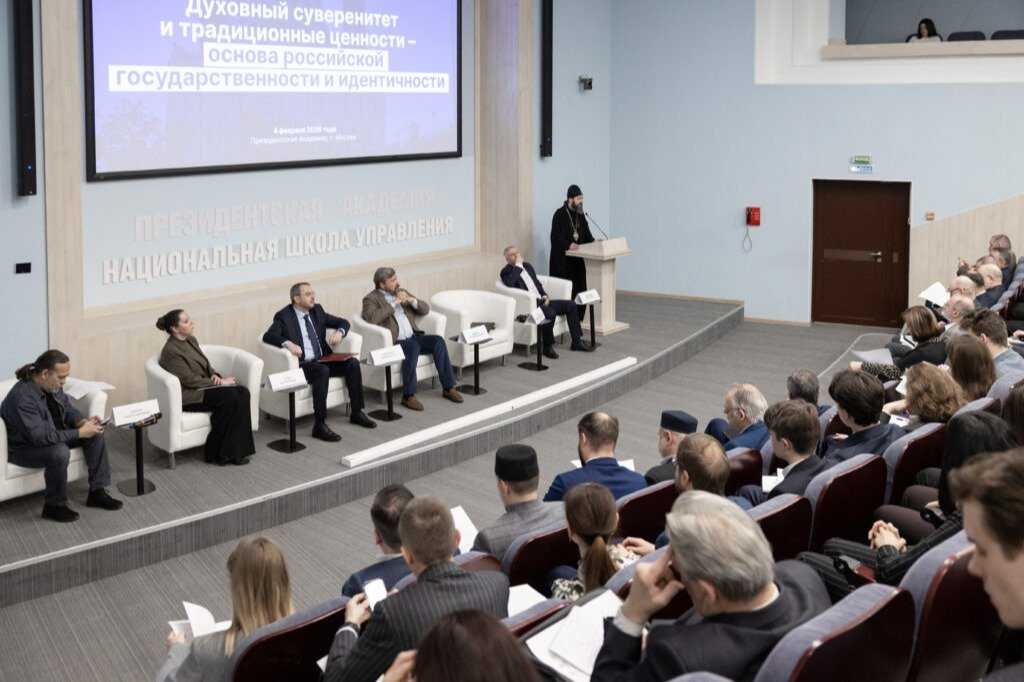
An international conference titled “Spiritual Sovereignty and Traditional Values – the Basis of Russian Statehood and Identity” was held in Moscow, bringing together officials, clergy, and academics. Speakers stressed the need to fortify Russia’s civilizational identity through Orthodoxy and historical memory. For example, nationalist entrepreneur Konstantin Malofeev declared that “a new Russia is being forged on the fields of the Special Military Operation,” calling for a strong state as the guarantor of sovereignty. Education officials announced plans to introduce courses on Russian statehood and the history of religions into all university programs.
RIGRI’s comment: This forum reflects a state-driven effort to define Russovian/Rossiyanin identity in ideological terms, blending church, state, and history. The conference reaffirms the government’s intention to tighten its grip on the education system and suppress freedom of expression. Kharichev is not the only one who is trying to develop an ideology for the Russian Federation.
3rd February 2026: Movement of Tajik nationals in the Russian Federation in 2025
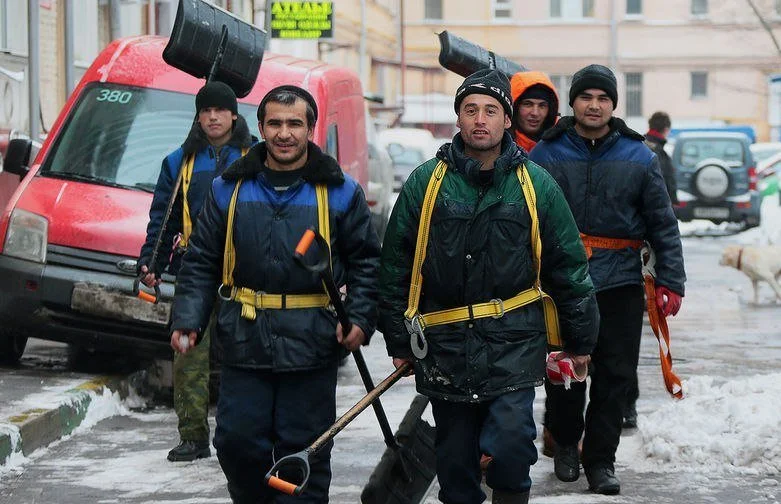
About 36 thousand citizens of Tajikistan were deported from Russia in 2025. The Ministry of Labour and Social Protection reported that more than 124,000 Tajik citizens were added to Russia's registry of controlled persons (people who have overstayed their legal status), 68,000 of whom were removed from the list, and over 38,000 Tajiks legalised their status in Russia. The registry of controlled persons was created on February 5, 2025, and is maintained on the official website of the Russian Ministry of Internal Affairs and on the Unified Portal of State and Municipal Services.
RIGRI’s comment: The original news headline mentioned only deportations, nothing else from the article. Nothing about the legal reform that simplified the migration procedure. When 36,000 were deported, and 38,000 were legalised, the boast of deportation is negated.
2nd February 2026: Scientists have been asked to "carefully evaluate" missions to unfriendly countries.
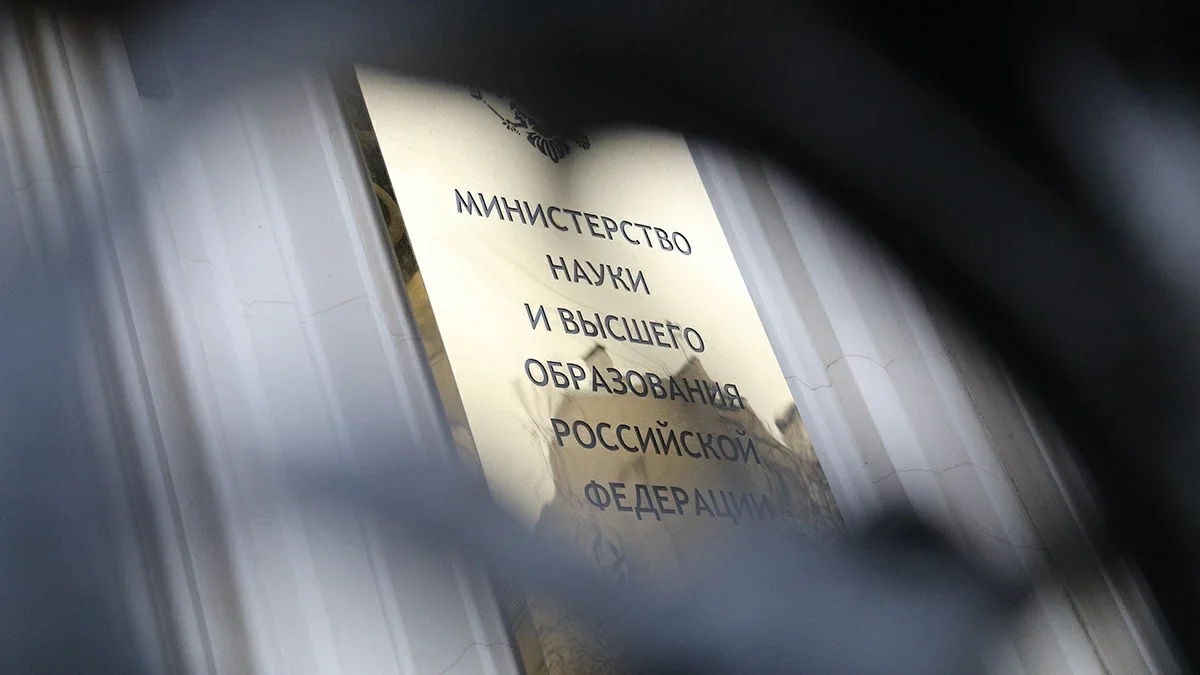
After the December arrest of archaeologist Alexander Butyagin in Poland, at the request of Ukraine, the Ministry of Education and Science of Russia recommended that universities and research institutes, when invited to events in "unfriendly" countries, evaluate them for possible politicisation of the agenda, and, if necessary, contact the department. The government list of "unfriendly" countries includes 49 countries, mainly the states of the European Union (EU), the G7 and three East Asian countries (Singapore, the Republic of Korea, and Japan). According to Vedomosti's interlocutor in the academic environment, several scientists at one of the federal universities were frozen on planned foreign business trips for the spring of 2026 even before the letter from the Ministry of Education and Science was sent out. Other interviewees say this further complicates already-reduced scientific exchange and is nudging travel toward “friendly” destinations such as Turkey and Saudi Arabia, with trips to Iran also rising.
RIGRI’s comment: With new restrictions on travelling being introduced that de-facto slows down ‘brain drain’, this one is starting gradually, with recommendations for now. A ban on travelling to ‘unfriendly’ countries, which affects police, is a possible outcome.
2nd February 2026: Soon, the "young people" of Afghanistan will be clearing snow from Moscow yards.
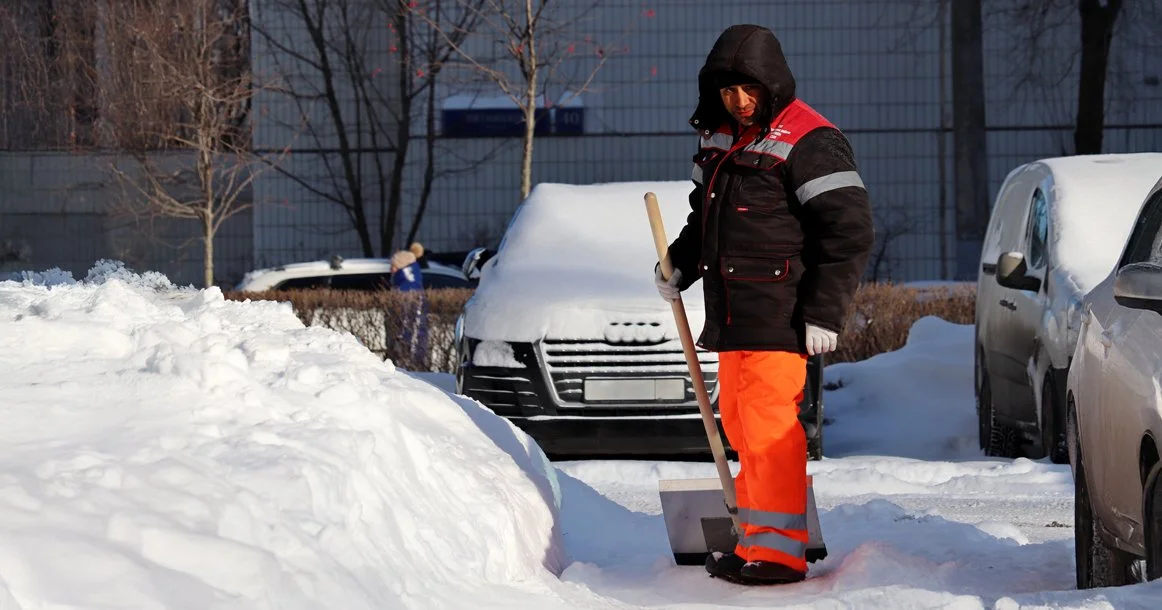
Recently, the import of workers from India has been actively discussed. Migrants from Afghanistan could be another option. According to the ambassador of the Islamic Emirate of Afghanistan in Moscow, Gul Hassan, negotiations are at an advanced stage. The negotiations have taken place, and "there is reason to expect positive results." Hassan says that Afghanistan has a young population, and the authorities are interested in sending them to places with a shortage of workers. So far, neither specific figures nor deadlines have been named. However, the direction of work is clearly indicated. At the end of 2024, the authorities estimated the shortage of highly qualified specialists in our country at 1.5 million people, primarily in construction, transport and housing and communal services. By 2030, according to the Ministry of Labour's forecasts, this figure may rise to 3.1 million. The current situation in Afghanistan makes the issue of selection extremely problematic: Afghan passports are now issued to "a variety of people", not always ethnic Afghans, and control over this process is in the hands of the Taliban. As a result, "anyone" can theoretically come to Russia under the guise of workers, from random people to militants with experience in conflicts in Syria. The Russian Federation currently lacks the tools to screen these migrants fully.
RIGRI’s comment: With the labour shortage remaining an issue for the Russian Federation, a new source of migrants is needed. Afghanistan is one such source that the Russian Federation wouldn’t have to compete against the EU, as is the case with India. However, with risks outlined, successful negotiations would mean the shortage is dire, and the Russian Federation is willing to take additional risks.
Weekly Digest 26.01.2026 – 01.02.2026
30th January 2026: For the first time, the platform of the Russian opposition at PACE gathered in Strasbourg
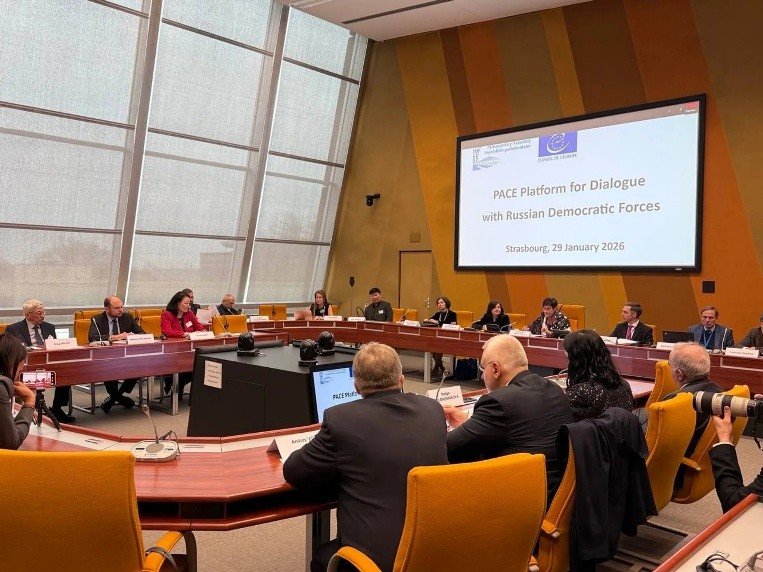
On January 29, 2026, Strasbourg hosted the first meeting of a new platform of Russian democratic forces under PACE (Parliamentary Assembly of the Council of Europe), with 15 approved members, including Garry Kasparov, Mikhail Khodorkovsky, Vladimir Kara-Murza, Lyubov Sobol, and Nadezhda Tolokonnikova, among others. Participants have agreed on basic procedures and said their priorities include supporting political prisoners and protecting the practical rights of anti-war Russians abroad, while also urging Europe to help Ukraine. The debut also highlighted ongoing frictions over the next year procedure and produced a viral moment when Kara-Murza dismissed a reporter from SOTA with the insult.
RIGRI’s comment: The creation of the platform represents a first successful attempt at international recognition of various groups of Russian opposition. Its powers remain limited, primarily focusing on developing the electoral system for the next year. Of particular interest is the decision by PACE not to include any representatives of the Russian military opposition currently fighting in Ukraine against the Russian Federation. As a result, the question of the platform’s legitimacy remains unresolved. In 2027, additional groups can share their platforms and participate in elections.
30th January 2026: The topic of the Special Military Operation will be in the issues of the "Victory Dictation" in 2026
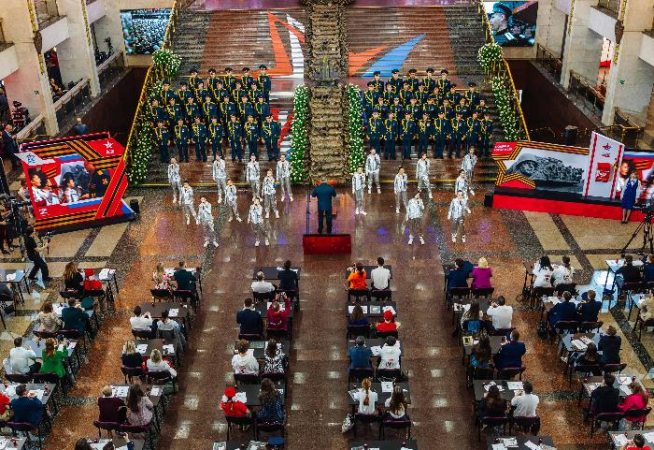
Victory Dictation is a nationwide educational test for pupils, students, and adults about World War II. This year’s “Victory Dictation” will again include test questions touching on Russia’s “special military operation” (an official term to describe the current war in Ukraine, indicating limited scale and lack of discomfort for the general population), continuing a change first introduced in 2025. The organisers say the 2026 tasks will also focus on major military-history anniversaries, Soviet commanders, and anniversary-linked events and feats.
RIGRI’s comment: The initiative merges Soviet WWII memory with the contemporary war narrative, a fight against clearly defined enemy and poised to end in victory. The current war is framed as a part of the same “historical mission.” The propagandistic term “Special Military Operation” specifically separates it from the Great Patriotic War in matters of scale and society involvement, from limited operation to a total war.
30th January 2026: A teenager kills a Roskomnadzor employee in Moscow, and state media is banned from writing about it
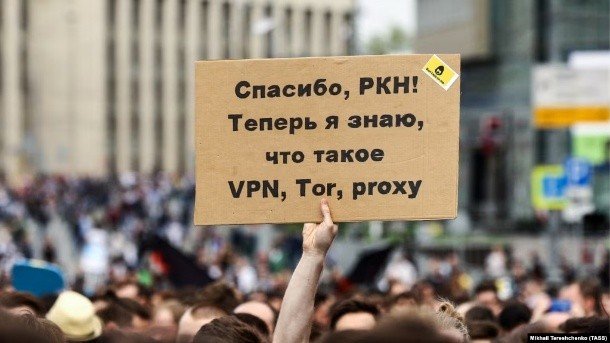
On January 19, a 16-year-old teenager killed 42-year-old Alexei Belyaev, an employee of the department, in the building of Roskomnadzor in Moscow, according to the anonymous Telegram channel "Cheka-OGPU". According to the channel, the schoolboy stabbed Belyaev in the chest when he was leaving the office. The authors of the Cheka-OGPU learned about the incident by accident, noticing a woman on social media seeking a lawyer for her son. She allegedly has a resolution stating that the teenager is charged with murder motivated by political hatred (paragraph "l" of part 2 of Article 105 of the Criminal Code). According to the woman, the investigation calls the child "an ardent opponent of the activities of Roskomnadzor." Later, she deleted the post. Channel contributors then found information about the schoolboy, who ran a YouTube channel and was fond of games and animation. The school said that the teenager stopped attending classes. The Agency notes that Belyaev's Tax Identification Number was invalidated on January 19, that is, on the day of the alleged murder. The Russian independent news website Meduza, citing sources, writes that media loyal to the Kremlin were advised not to publish information about the murder of Belyaev.
RIGRI’s comment: At present, this news has not been confirmed by alternative sources. However, in case it is accurate, it shows the vulnerability of all but highly guarded official figures of the Russian Federation. Consistent pressure from the Russian Federation’s censorship authorities is generating natural protest sentiments within the country, which could escalate into violent actions. Even teenagers may become involved, suggesting the existence of widespread public discontent.
29th January 2026: 11 Russian universities will withdraw from the Bologna process
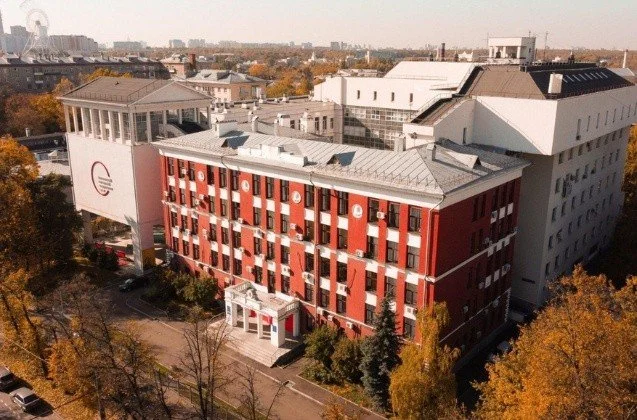
From September 1 of this year, additional universities in the Russian Federation will cancel the "bachelor" and "master" formats; instead, basic and specialised higher education will be introduced. The transition away from the Bologna system began in 2022 with a pilot in six universities, and the new model will now be tested in 11 additional institutions. In May 2022, State Duma Deputy Speaker Pyotr Tolstoy said that it was time for Russia to abandon the Bologna system and return to the "traditional Russian education system" so as not to "suffer an ideological defeat" and not to "lose our schoolchildren and citizens."
RIGRI’s comment: Besides moving to a longer education period, withdrawal from a Bologna process has one major benefit for the state of Russian Federation. With no international diploma recognition, potential emigres would not be able to find job due to lacking degrees, moderating brain drain (which sanctions and visa restrictions already did), with Russian diaspora dropping from 10.65 million pre 2022 to 9.1 million in 2024.
29th January 2026: To form the personality of a citizen of Russia, a single state ideology is needed, according to the Federation Council
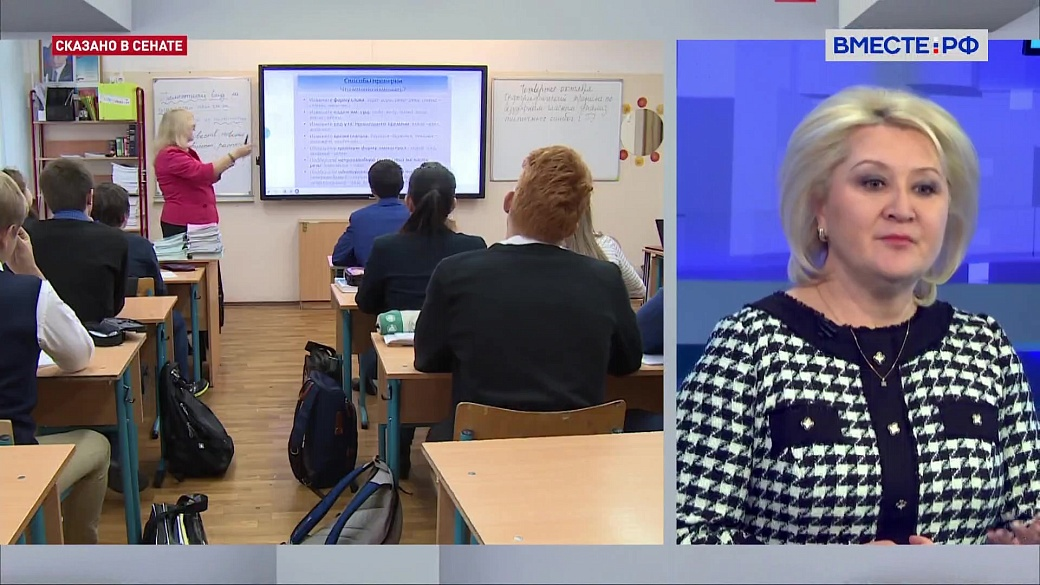
To form the personality of a true citizen of Russia, a single state ideology is needed, Senator Lilia Gumerova said. This ideology should unite traditional religions, educational institutions, the institution of the family, and public organisations. According to Gumerova, education cannot be done in fragments; only a single system and the permeation of all structures with a single ideology will help bring up a citizen who loves his homeland, knows his history, respects traditional values, the senator stressed.
RIGRI’s comment: The state yearns for an official ideology, the one that can enforce state identity over ethno-cultural ones. Important to remember that all previous attempts at imposing ideology have failed to explain why the public should abandon economic benefits and their identity in favour of serving the state just for the sake of serving it. No financial benefits, no promise of a better global world, just blind loyalty and service to the state that aims to build a better country. Not the people building a better country, but the government. Such populist initiatives are unlikely to result in meaningful political reform. This call can be understood as a hyper-patriotic declaration aimed at enhancing the social standing of their authors within a system built on a distorted concept of political loyalty. It is likely that the senator is attempting to demonstrate her loyalty, possibly in anticipation of personal or political gain.
28th Jan 2026: Putin's talks with Syrian President al-Sharaa are taking place in the Kremlin
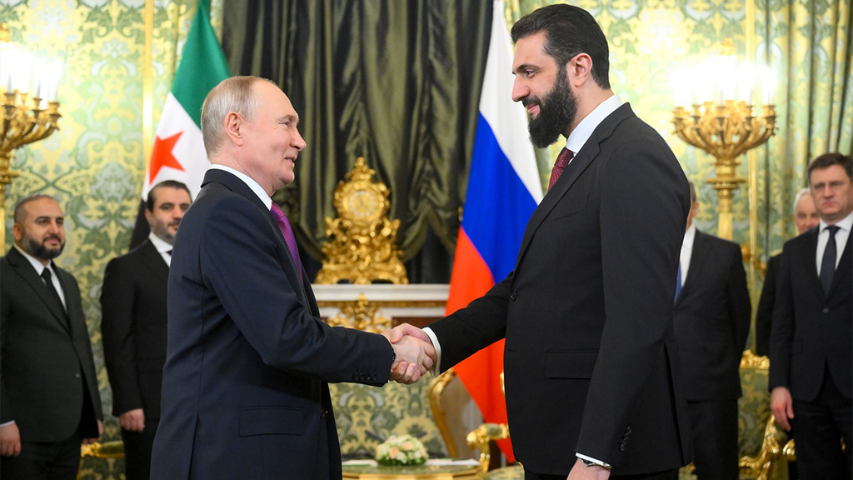
On 28 January 2026, Vladimir Putin held talks in the Kremlin with Syria’s transitional president, Ahmed ash-Sharaa (Syria’s interim president), saying the sides had made progress since his October 2025 visit and reiterating Russia’s support for Syria’s territorial integrity, including integrating the area east of the Euphrates. Russia signalled readiness to expand practical cooperation and help with reconstruction, with a large Russian delegation, including the foreign and defence ministers, present. The meeting took place amid fighting and negotiations between Damascus and the Syrian Democratic Forces in the northeast and reports of Russian forces evacuating the airfield near Al-Qamishli.
RIGRI’s comment: This is a large reason why the Russian Federation is unlikely to get an ideology. Such Realpolitik flexibility of opponents to partners has proven resilient, keeping the Russian Federation connected to Syria even when the side that Putin has been supporting has lost. It is a source of external validation that often feeds domestic identity messaging, highlighting sovereignty and international status, something ideology makers are trying to solve by putting loyalty to the state as the essential part of an ideology. So, the state can continue to remain non-ideological, but the population of the Russian Federation would not.
28th January 2026: Tastes will still be debated
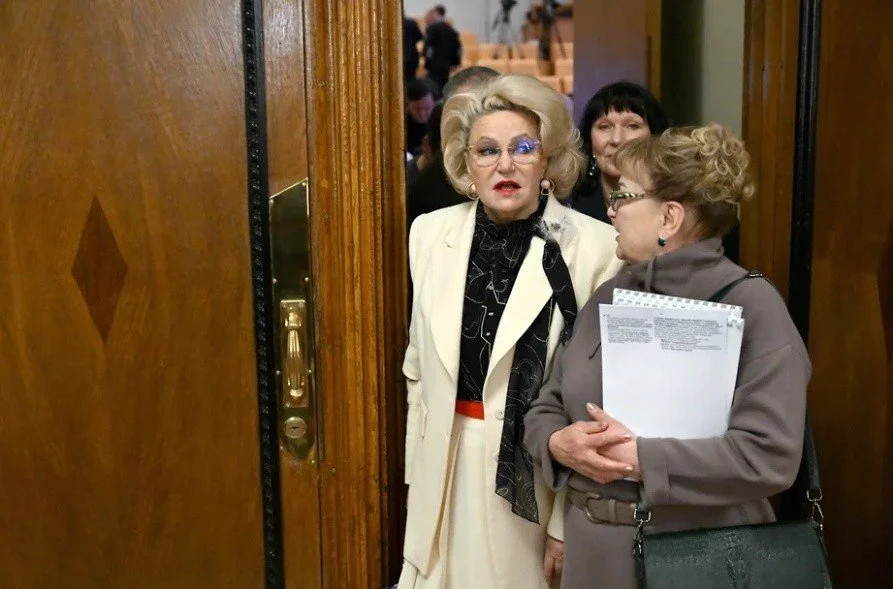
Deputies approved fines for discrediting traditional values, but did not understand which ones. A State Duma committee recommended adopting amendments to Russia’s administrative code that would fine online cinemas and social networks up to 3 million Rubles for “discrediting” traditional Russian spiritual-and-moral values. In the discussion, MPs led by Nina Ostanina pressed Ministry of Culture of Russia representatives on what exactly counts as “traditional values,” warning that without a clear legal definition, enforcement could become subjective. Even though the concept remained undefined, the committee backed the proposal, while Ostanina abstained and called for broader public debate.
RIGRI’s comment: This legal reform further codifies “traditional values” as a legal boundary, not just rhetoric. At the same time, representatives of the Russian Federation rarely define “traditional values” as such, allowing for broad interpretation of law and thus broadening repression for those the state deems a threat. In addition, it could be a legal preparation for the ideology that is currently in the drafting stage.
Weekly Digest 19.01.2026 – 25.01.2026
25th January 2026: The expert spoke about permissible Anglicisms on signs from March 1
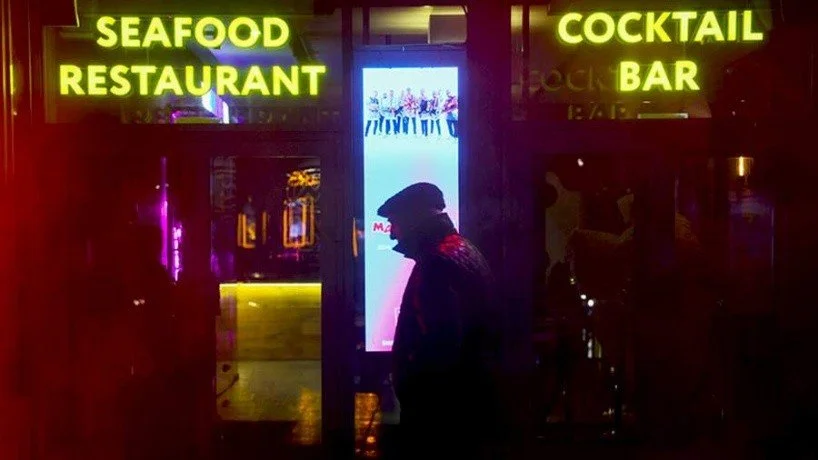
From 1 March 2026, signs, pointers and information plaques in Russia must be shown in Russian (and other official languages of the Russian Federation) and violations may be fined, according to the expert cited. Language experts clarify that anglicisms (English loan words) written in Cyrillic can remain without restrictions only if they are included in the official “Dictionary of Foreign Words” (compiled by the Institute for Linguistic Studies of the Russian Academy of Sciences). If a loan word is not in that dictionary, it should be accompanied by an explanation (for example, in brackets or via an asterisk).
RIGRI’s comment: Given how common the English loanwords are in the contemporary Russian language, with ‘cluster’ being a good demonstration, this law seems to have one purpose. Officials started to accept the notion of being in a struggle against ‘the West’, and institutionalize this discourse through petty prohibitions. These measures contribute to the spread of anti-Western sentiments into additional spheres of everyday life.
24th January 2026: A memorial service for the innocent Cossacks was held in the churches of Stavropol (and other towns in the region)
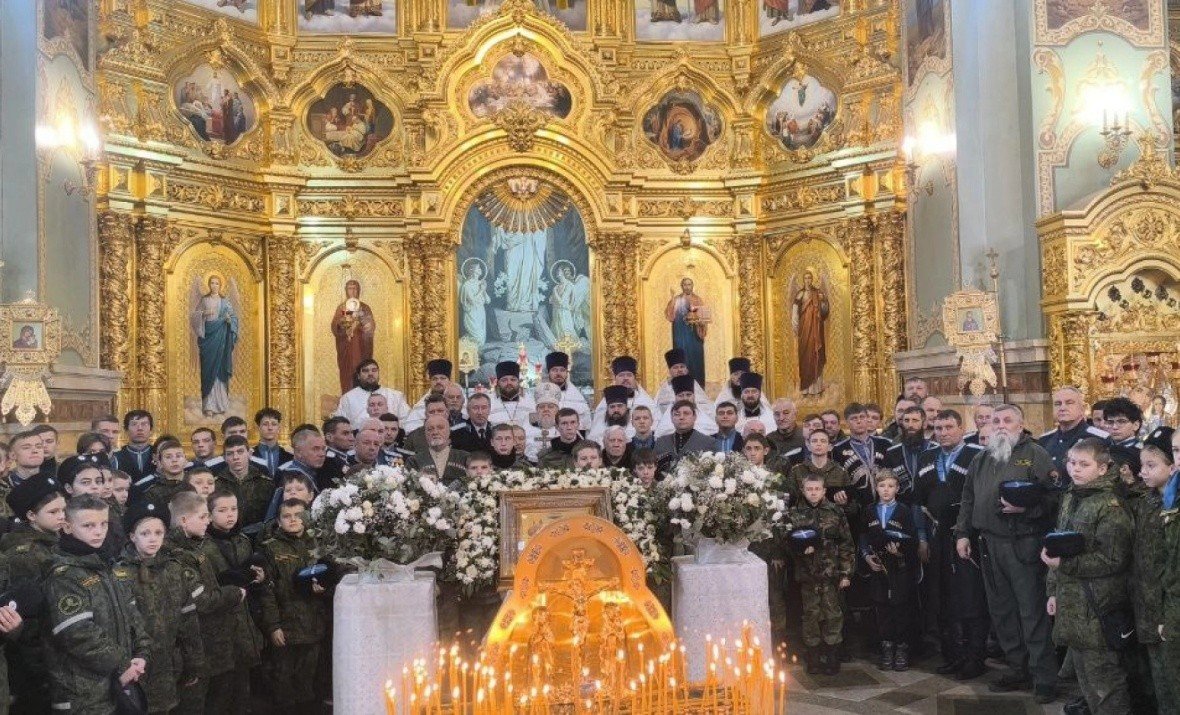
Churches in Stavropol held memorial services (panikhida) for “innocently killed Cossacks,” timed to the local observance of the Day of Remembrance for victims of “raskazachivanie” (de-Cossackization), which the piece also labels a “genocide of the Cossacks.” The events were held with the blessing of Metropolitan Kirill of Stavropol and Nevinnomyssk and conducted by clergy of the Stavropol diocese. As historical justification for the commemorative date, the article points to a secret directive dated 24 January 1919 from the Bolshevik leadership towards the Cossacks, summarising it as advocating uncompromising mass terror and exterminatory measures, alongside confiscation policies.
RIGRI’s comment: A reminder on how inconsistent the attempt is to construct the modern Rossiyanin/Russovian identity as a continuation of both Imperial Russian and Soviet identities. In the present case, we observe the confrontation between them, and the government having to choose between identities, clearly would choose the latter since the 1990s, when courts refused political rehabilitation to the Bolshevik opponents during the Russian Civil War. Attempts to restore a distinct Cossack identity lack credibility given the extensive association of the current Russian government with the Soviet regime, which repeatedly killed and repressed Cossacks.
23rd January 2026: Total fertility rate continued to decline in 2025
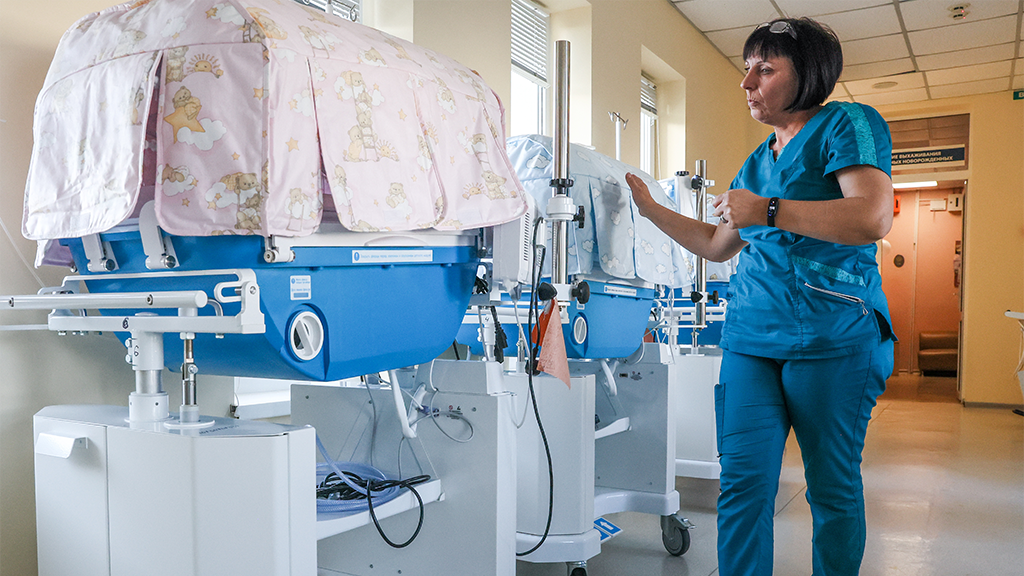
Rosstat data cited by Vedomosti show Russia’s total fertility rate fell to 1.374 as of December 2025 (from 1.4 in 2024), staying around 1.37–1.39 during 2025. The article highlights sharp regional gaps: the rate was above 2 in Chechnya, Yamalo-Nenets AO, and Tuva, while among the lowest were Leningrad, Smolensk, and Vladimir oblasts; it also notes a decline in the indicator for third and subsequent births to 0.362. Experts argue that pro-natalist policy effectiveness depends on stronger, more up-to-date support for families—especially large families—and more uniform implementation across regions, ideally without means-testing, with some measures folded into the national project “Family” (2025–2030). The fertility rate has declined for the tenth time in a row.
RIGRI’s comment: Demography remains the issue that is truly concerning Russians as an ethnicity. As outlined in our analysis, high mortality alongside declining fertility cause a constant population decline, requiring mass migration to sustain the economy, needed for the state's desires of war and sabotage.
23rd January 2026: Unified and collective
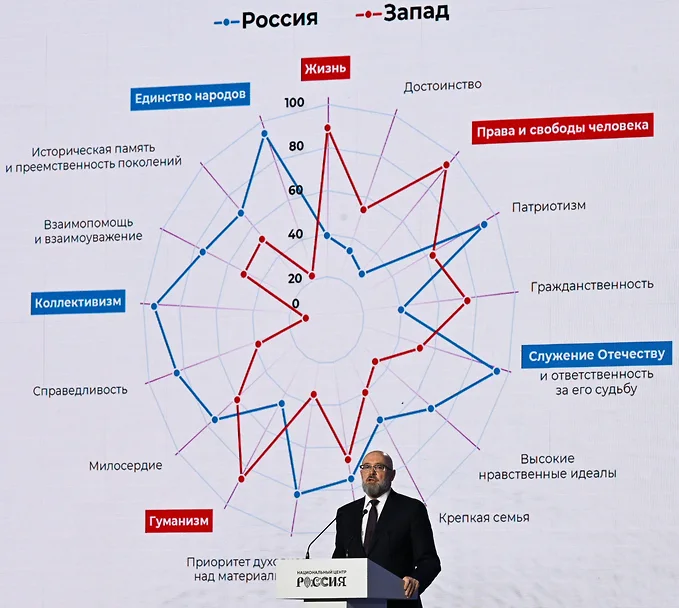
The Kremlin ideologist Alexander Kharichev spoke about five values and five visions of an ideal Russia. At the “Znanie. Gosudarstvo” forum, Kremlin official delivered a programmatic talk presenting the “pentabasis” model (person–society–family–country–state) as a framework for defining Russia’s direction. He contrasted Russia’s “sovereign traditionalism” with Western “liberal globalism” and said research into a “civilizational code” shows top-rated values such as collectivism, service to the fatherland, and unity of peoples, with rights and freedoms rated much lower. Kharichev also outlined five “polar vectors” (e.g., rationalism–idealism, individualism–collectivism, negative vs “positive” freedom) and linked policy responses to perceived threats ranging from “childfree” ideas and distrust in institutions to consumerism, virtual retreat, and transhumanism. And a vision of ideal Russia, according to him, has once again five options: Great, Comfortable, Just, Modern, and Land of opportunity, which the administration hopes to unite into one vision, where a citizen who is a pro-active participant.
RIGRI’s comment: Russia wants to move from authoritarianism to totalitarianism, but it needs a working ideology first. Kharichev is their best attempt at it, and is likely thinking about it for over 20 years by now, if he were one of the anonymous authors of the ‘Project Russia’. Currently, it sounds like a call towards non-Western collectivism and multiculturalism, the one that does not focus on humanist principles.
20th January 2026: News conference on the results of Russian diplomacy in 2025
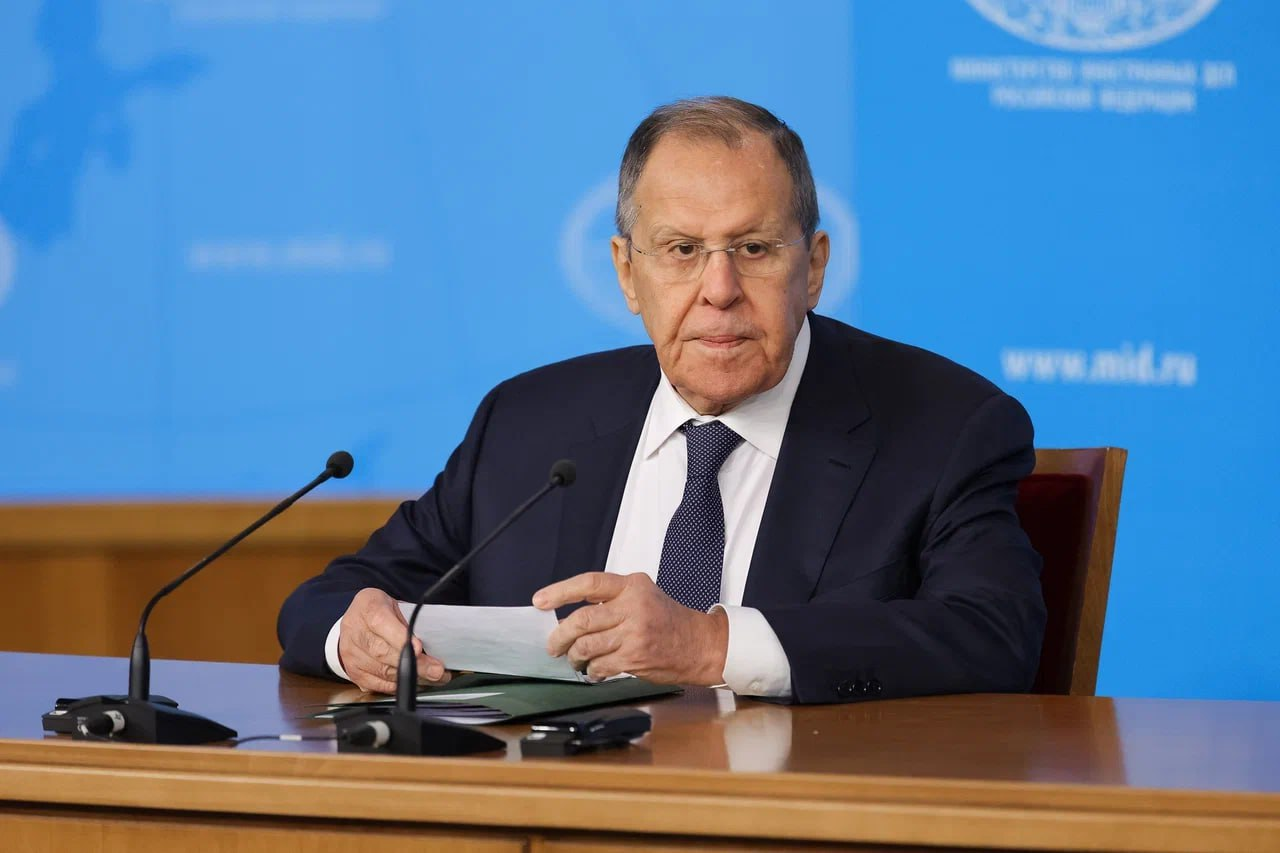
During the press questions part of the conference, the Russian Federation’s Foreign Minister Lavrov stated key points on “Eurasian security,” “multipolarity,” and relations with the United States. This concerns the external contour of identity: Russia’s self-description as a distinct pole of power and as an architect of an alternative, Eurasian, security framework. The Victory Day parade's international participation is framed as a rebuttal to claims of isolation. The inclusion of such talking points in the official channel is part of the day-to-day production of foreign-policy identity for a domestic audience and for external observers.
RIGRI’s comment: The Russian Federation is presenting itself as a pan-national Eurasian state that puts emphasis on the Soviet past. These statements reflect recent Russian government narratives aimed at dividing “zones of interest” into Russian and American spheres. The preferred vision of multipolarity clearly implies Russian regional dominance. However, such a structure of international relations still appears unrealistic at the present time.
Weekly Digest 12.01.2026 – 19.01.2026
18th January 2026: “Year of Unity” Launch in Yakutia
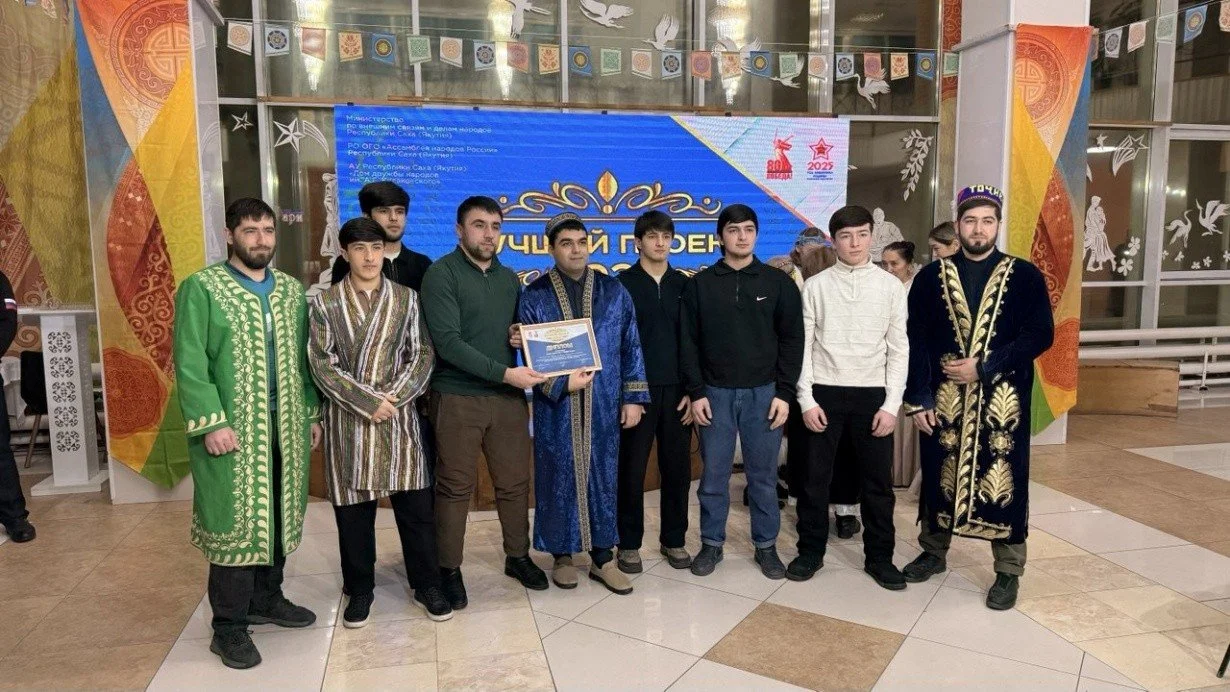
Russia officially opened the Year of Unity of the Peoples of Russia with a ceremonial event in Yakutsk. The forum, held under the slogan “Triumph of traditions, values, unity,” brought together representatives of 135 ethnic groups alongside officials. The year-long program initiated on this day includes hundreds of cultural and educational events aimed at preserving heritage and strengthening all-Russian civic unity, underscoring the Kremlin’s emphasis on multiethnic national identity.
RIGRI’s comment: Another reminder that the goal of the Russian Federation is to merge all the ethnicities into one political nation where unity means loyalty to the Kremlin. A focus on the cultural celebrations of the small peoples of the Russian Federation deliberately shifts attention away from Russian identity toward minority identities. The fact that they also refer to themselves as “Russians” (meaning, however, the all-Russian civic identity) blurs the boundary between civic and ethnic identity, which in the long term may harm the cultural autonomy and self-determination of small peoples who are at risk of assimilation.
18th January 2026: Crimea’s “Russia-aligned” Identity at 85%
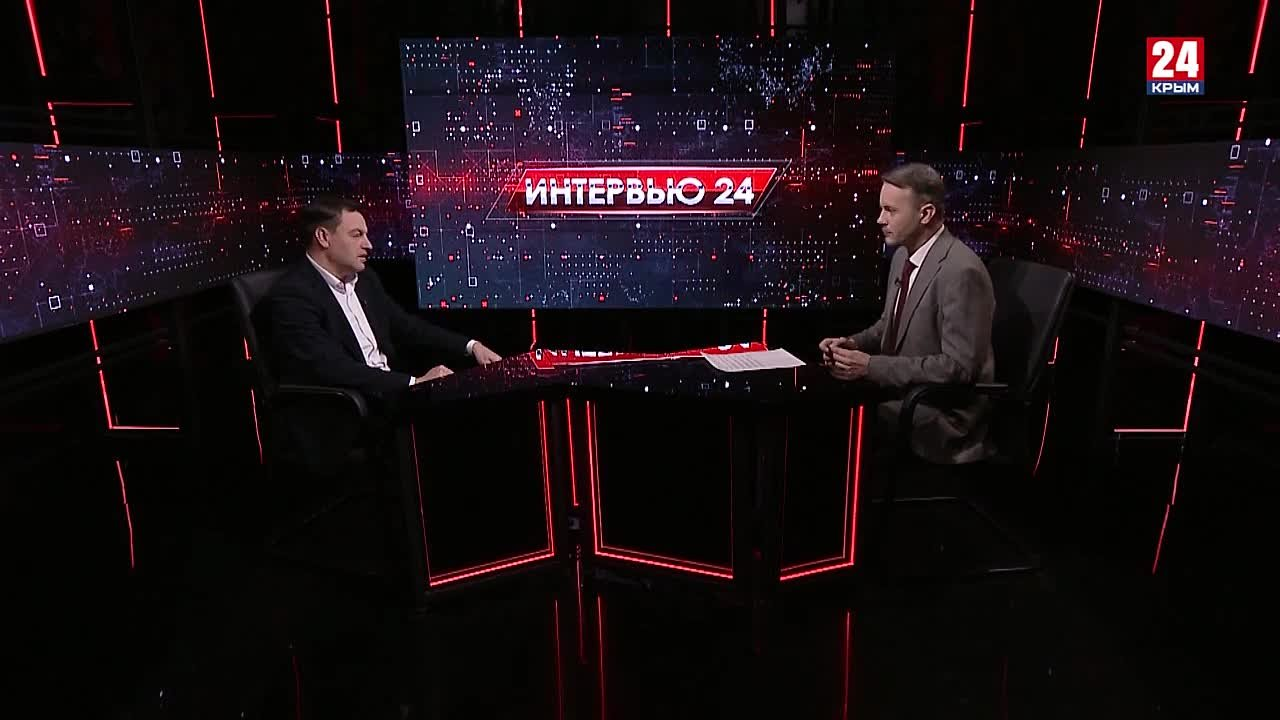
In annexed Crimea, authorities highlighted rising identification with Russia. The head of Crimea’s interethnic affairs committee, Ruslan Yakubov, reported that over 85% of the peninsula’s residents now “feel an inseparable connection with the Russian Federation”. He lauded this high self-identification as evidence of patriotism and noted President Putin’s decree setting an ambitious target – to reach 95% in 5 to 6 years.
RIGRI’s comment: Do note how in this piece of news phrasing does not address ethnic Russian identity, but an abstract connection to Russia. They are not even bothering with naming it as a civil Rossiyane (meaning all-Russian civic identity), which RIGRI suggests to replace with the term ‘Russovian’. Naturally, the methods used to conduct such surveys do not withstand any criticism from the standpoint of methodological rigour. Such figures become part of a political fabrication and propaganda effort aimed primarily at portraying opposition struggle as meaningless by fabricating the appearance of a pro-government consensus within society.
18th January 2026: WWII Siege Commemoration as Identity Pillar
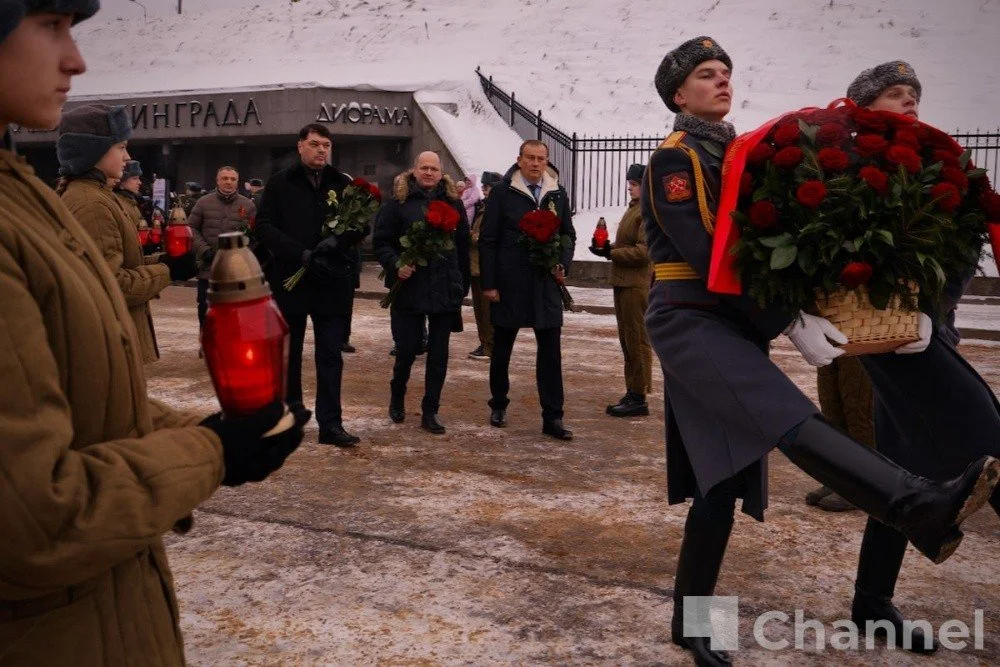
Across Russia, events commemorated the 83rd anniversary of the breaking of the Leningrad siege (Jan. 18, 1943), a World War II milestone integral to Russia’s Soviet patriotic identity. In St. Petersburg, Governor Alexander Beglov led wreath-laying ceremonies and stated that the “breaking of the blockade of Leningrad will forever remain for us an example of resilience, courage and heroism,” calling the defenders’ feat a sacred memory for all residents. In Moscow, officials state how the memory must be preserved and how the population must “be worthy” of their self-sacrifice.
RIGRI’s comment: By venerating the sacrifices of the Great Patriotic War, the Russian government reinforces a unifying Soviet historical narrative at the core of modern Russian national identity. By appealing to the blockade of Leningrad, officials hope to invoke further resilience, meaning they envision a situation of a similar struggle. Moreover, the authorities monopolise the narrative of sacrifice in World War II, disregarding the losses suffered by other nations during the war as well as the crimes committed by the Soviet Army against civilian populations.
16th January 2026: Normalisation of markers of “patriotic jargon” in the school standard
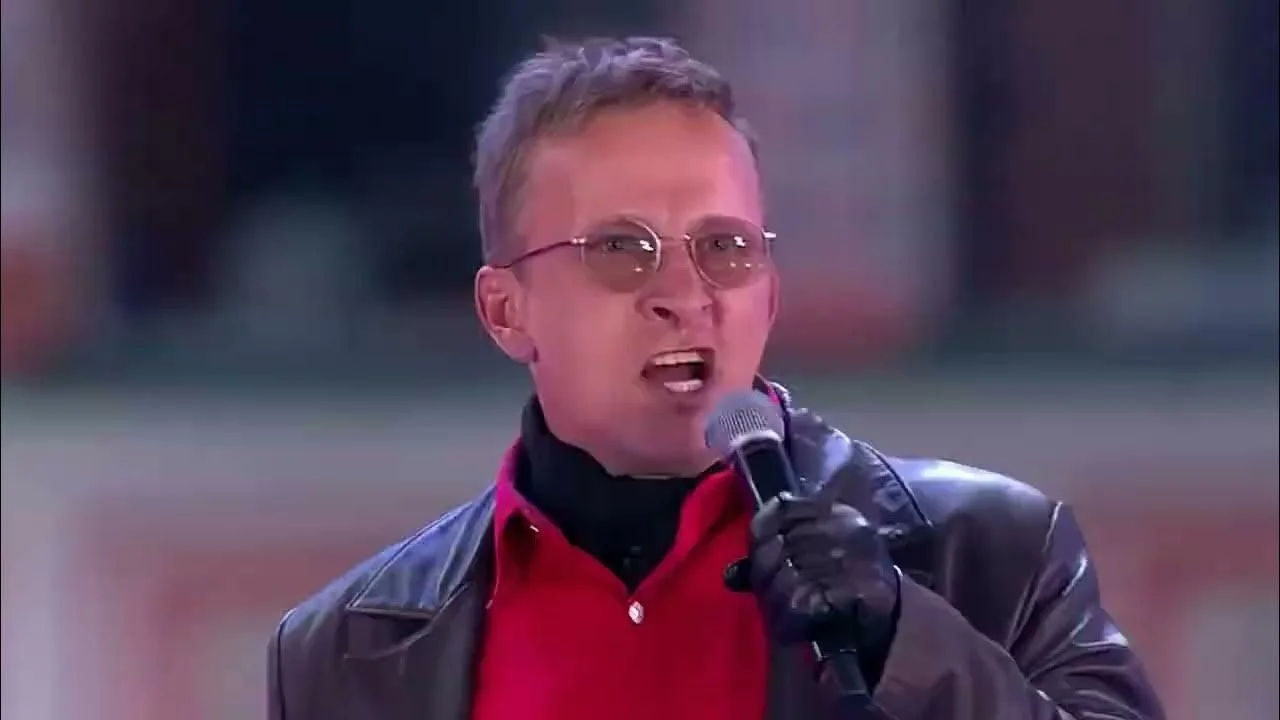
The case of the word “goida” (an archaic exclamation in Russian, meaning: “Charge!”). It is reported that the word “goida” is permissible in exam essays, but only in a specific context (as an object of analysis of internet memes / linguistic trends). Even with that restrictive wording, this is an illustrative example of how politically charged memes and symbolic markers enter educational discourse and are discussed as part of the “language of society.”
RIGRI’s comment: Speaking of the history of the use of ‘goida’, it existed as a phrase of the Oprichnina, who are remembered as being able to execute the civilian population but who could not protect Moscow from the Crimean Tatars. By limiting the use of ‘goida’ to trends, it shows how education is shaping the common language. Goida remains a meme, and memes have a lifespan, ensuring that eventually they stop being relevant, not encouraging further societal mobilisation. A delicate balance of an authoritarian state that aims to keep the majority subdued, not actively cheering (at least before they can invent an ideology).