
Weekly Digest
Weekly Digest 22.09.2026 – 28.09.2026
28th September 2026: Wartime veterans become a visible component of the new parliamentary elite
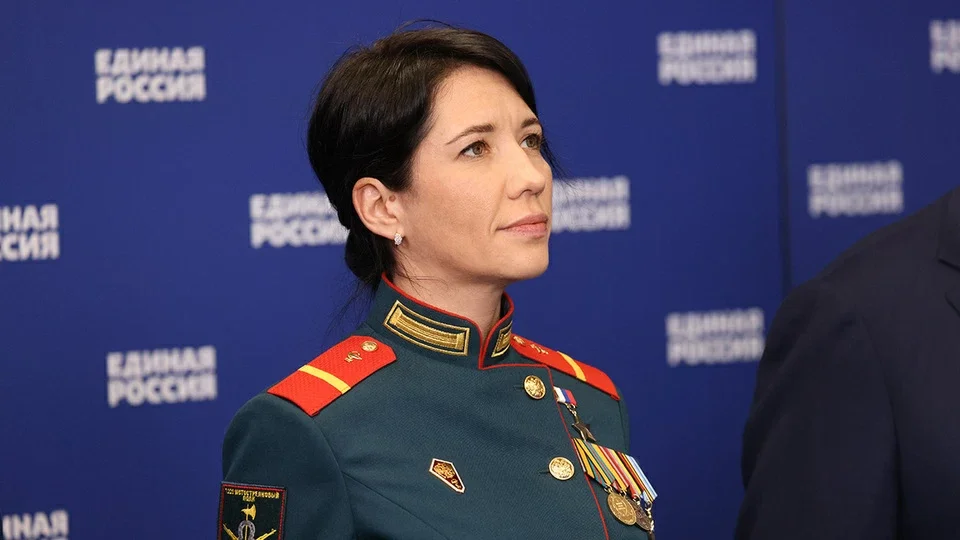
Between 41 and 51 veterans of Russia’s war in Ukraine were elected to the ninth State Duma as members of United Russia, with around 30 entering through the party list and 22 through single-member constituencies, accounting for about 10% of the Duma. United Russia secured 349 seats overall and will have the largest number of veteran MPs. Veterans were also elected from the LDPR and A Just Russia, while none of the candidates with military backgrounds put forward by the Communist Party or New People won seats. One veteran was elected as an independent in Makhachkala. Integrating a relatively large group of former servicemen could pose an organisational challenge for the Duma, but officials and analysts expect them to be distributed across different committees according to their professional backgrounds rather than concentrated in a dedicated veterans’ body.
RIGRI’s comment: First major case of altering the elites by adding veterans into a political power. The key question is whether these deputies remain individually absorbed into existing faction structures or develop recognisable priorities around defence, veterans' welfare, patriotic education, occupied territories, security policy and the public memory of the war. The latter would make ‘veteranisation’ an institutional rather than merely biographical change. The scale is substantial: 19 of the 20 Time of Heroes veteran civil service training program participants advanced for the 2026 State Duma elections obtained mandates, while 46 war veterans entered the Duma overall. A 2025 regional precedent also shows that election does not always mean incorporation: war veteran Vladimir Evsyukov won a Voronezh regional mandate but declined it to remain in military service.
28th September 2026: Political scientist Alexander Kynev beaten during arrest and hospitalised in pre-trial detention
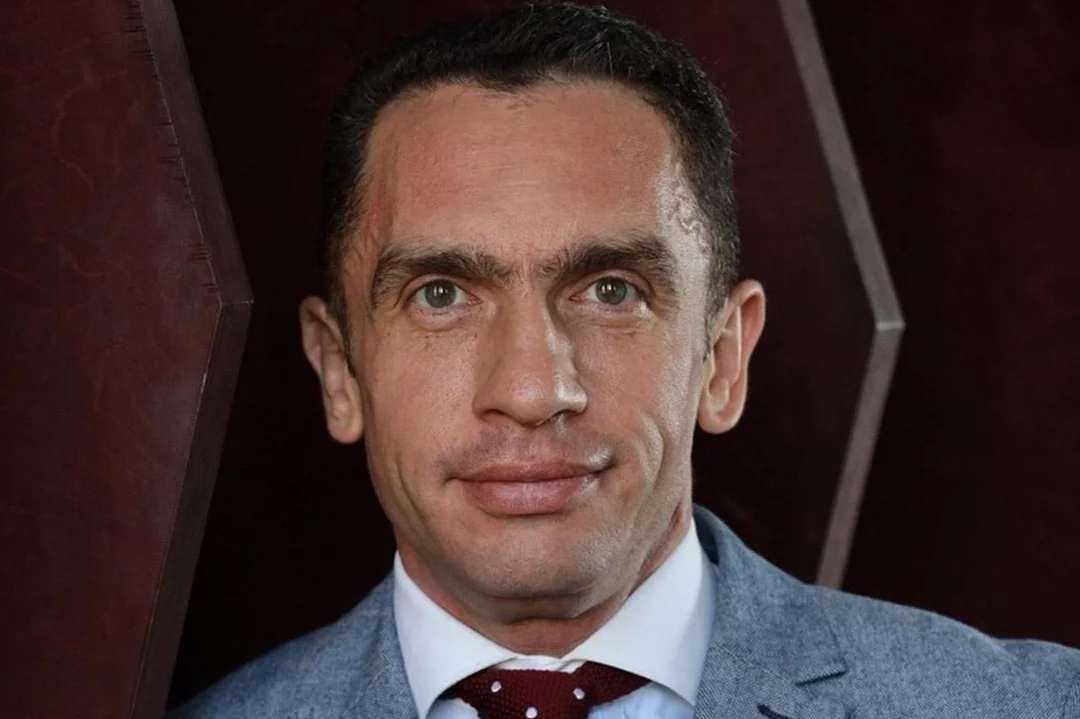
On 25 September, Moscow’s Perovsky District Court ordered political scientist and regional politics expert Alexander Kynev to be held in pre-trial detention on charges of attempted large-scale drug trafficking, which he denies. Kynev had remained in Russia after the invasion of Ukraine and even after being designated a “foreign agent” in February 2026, arguing that staying allowed him to maintain direct contact with the regional politics he studied. He continued analysing Russian elections, documenting electoral falsifications, pressure on opposition and regional actors, and administrative mobilisation. Shortly before his arrest, he criticised the authorities’ extensive use of administrative pressure during the 2026 State Duma elections. Kynev had already suffered injuries during his initial detention: when he was later admitted to the remand system, he showed signs of beating and was diagnosed with two tibia fractures. On 28 September, the injuries became public; his lawyer confirmed that they had been inflicted during the detention and said the information had initially been withheld at Kynev’s request while checks were conducted. Kynev was transferred to the medical unit at Moscow’s Matrosskaya Tishina detention centre.
RIGRI’s comment:
Kynev’s case is significant because he was a prominent political analyst of Russian elections and regional politics who had chosen to continue working inside the country despite being proclaimed a ‘foreign agent’. His arrest and reported mistreatment show the absence of legally independent political expertise and civic participation in the Russian Federation.
28th September 2026: FSB signals long-term pursuit of anti-war Russian émigrés
The FSB opened a criminal case against Ksenia Maximova, head of the London-based Russian Democratic Society UK, accusing her of participation in a terrorist organisation and placing her on federal and international wanted lists. The agency alleged that RDS had supported Ukraine, hosted opposition activists and promoted organisations banned in Russia. More significantly, an FSB representative described Russians abroad who support Ukraine as “Vlasovites 2.0”, claimed that counterintelligence knows them “by name” and can see “every step”, and stated that their “fates are predetermined”. The FSB said it would continue “neutralising” activity attributed to Russian émigrés, declaring that the Russian Federation would not repeat what it called Khrushchev’s “mistake” of granting amnesty to Ukrainian nationalists, signalling an intention to pursue such émigrés over the long term rather than envisage future reconciliation or amnesty.
RIGRI’s comment:
The most anti-regime émigrés, particularly those supporting Ukraine or advocating confrontation with the Russian state, are portrayed not simply as political opponents but through the historically charged category of wartime “traitors”. The declaration suggests an extension of the state’s coercive and surveillance claims beyond Russia’s borders and signals that emigration does not necessarily remove such individuals from the reach of security institutions. Other reports of planned assassinations corroborate this pattern.
24-26th September 2026: The United Cultures Forum articulates a “common values” model of identity, explained by Vladimir Putin
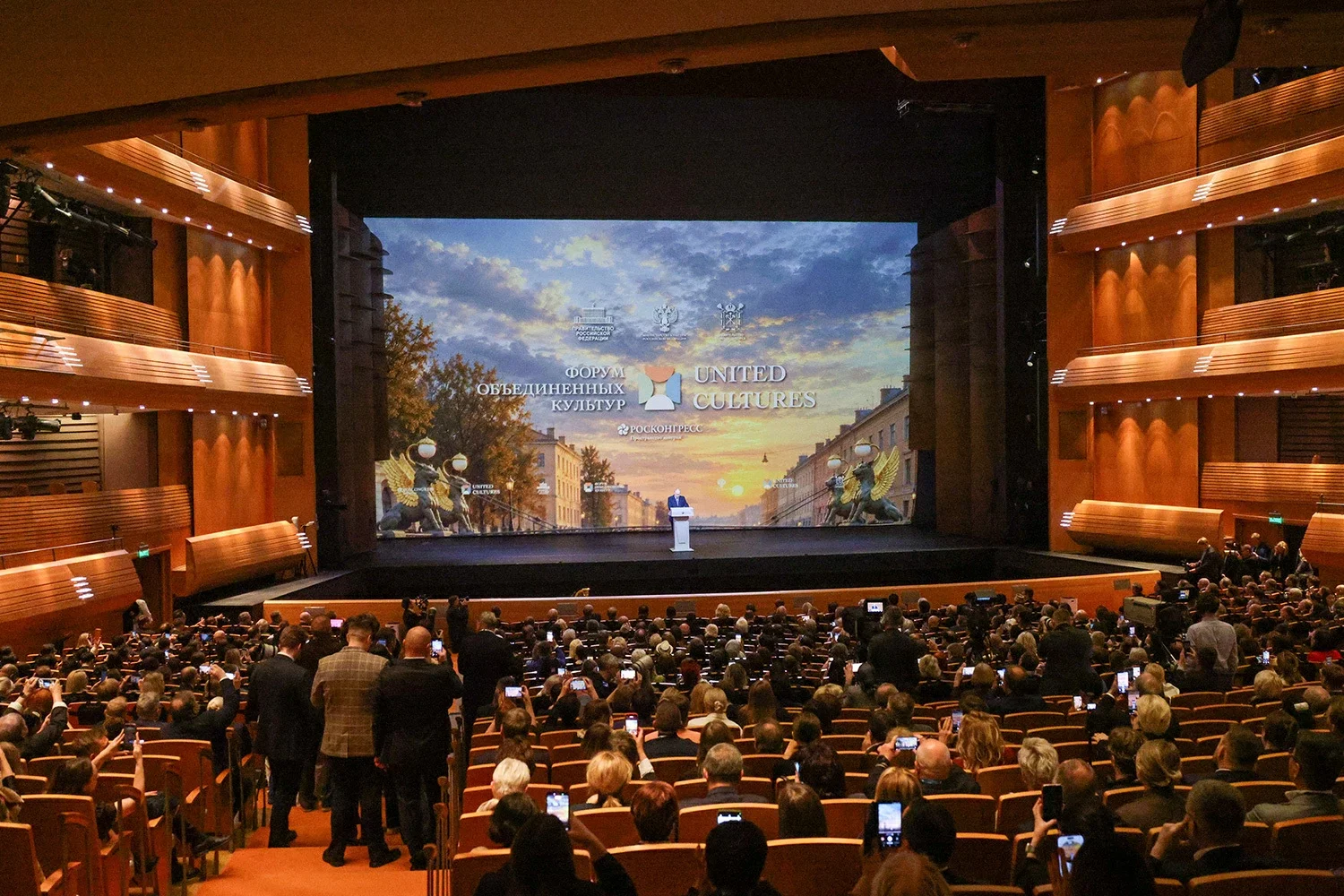
The St Petersburg International Forum of United Cultures took place on 24-26 September under the official theme “Объединенные культуры — общие ценности” (“United Cultures — Common Values”). Vladimir Putin's 25 September appearance tied cultural dialogue to overcoming political contradiction, retaining historical memory and maintaining an accessible cultural environment. He asserted that questions surrounding Russian-speaking populations in the Baltic states should be pursued through humanitarian and international-law mechanisms rather than military ones. Vladimir Putin said Russia’s proposals for a peaceful settlement with Ukraine remain on the table, but that Moscow would reconsider its next steps following what he described as large-scale Ukrainian drone attacks on Moscow and strikes on polling stations during the Russian elections. He said Ukraine was again raising the possibility of ceasefires covering energy infrastructure, air attacks and the Black Sea, while maintaining that Russia’s response would be determined by its own interests and by Kyiv’s actions. Putin also addressed wider foreign-policy issues, saying Russia had no plans for military conflict with Europe, describing relations with the United States as nearly non-existent, and indicating that he was inclined to attend the November 2026 APEC summit in China although no final decision had been made.
RIGRI’s comment: “United cultures” permits the state to stress Russia's internal cultural plurality, while “common values” establishes a unifying normative centre. Diversity is therefore not presented as competing identities but as components of a shared civilisational framework, promoting a model of multicultural but patriotic identity. Putin’s remarks also suggest a hierarchy in Russia’s external identity politics: Ukraine remains the principal arena of confrontation, whereas the Baltic states are still framed primarily through humanitarian, linguistic and historical claims rather than through the more explicit “historical unity” narrative that preceded the full-scale invasion of Ukraine.
Weekly Digest 15.09.2026 – 21.09.2026
21st September 2026: State Duma election delivers a commanding United Russia victory.
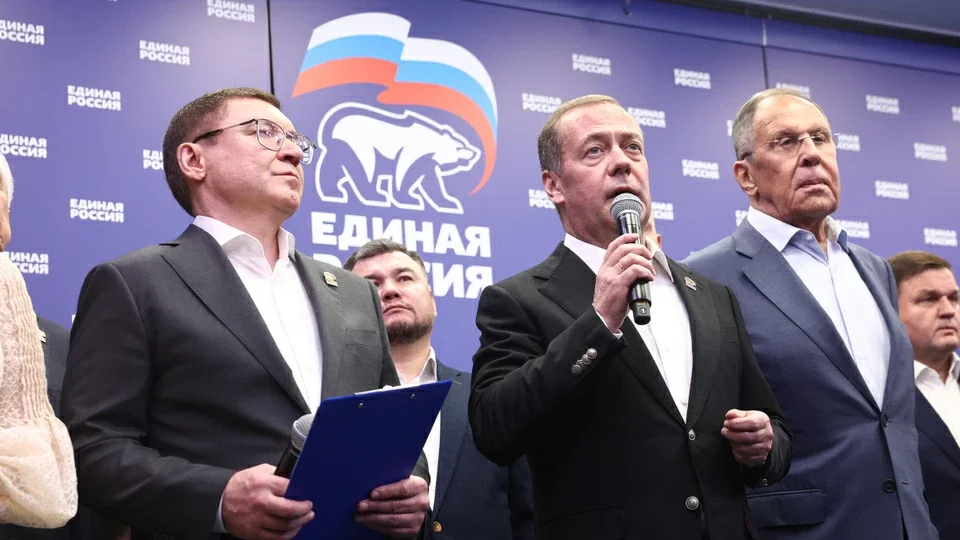
Voting for the ninth State Duma ran from 18 to 20 September alongside thousands of regional and local contests. According to preliminary CEC figures, United Russia received 57.83% of party-list votes, won 208 single-member districts and was projected to hold 355 seats. The Communist Party stood at 13.81% and 40 seats, LDPR at 8.98% and 25, and New People at 7.96% and 20. Overall turnout reached 59.32%. Final CEC certification was scheduled for 25 September.
RIGRI’s comment: The starting point is the acknowledgement that the elections themselves cannot be regarded as legitimate. The key objective for officials is to demonstrate high turnout and visible support for the ruling party. Officials’ reports of higher turnout and a gain for the United Russia party send a symbolic message of state strength and a lack of alternatives. As all parties keep voting for the key policies unanimously and the ‘party of power’ retained a constitutional majority, nothing really changed. The biggest symbolic change is the arrival of at least 49 war veterans. In addition, it is important to remember that statistics still indicate election rigging.
17th September 2026: Putin places major foreign-owned businesses under temporary management.
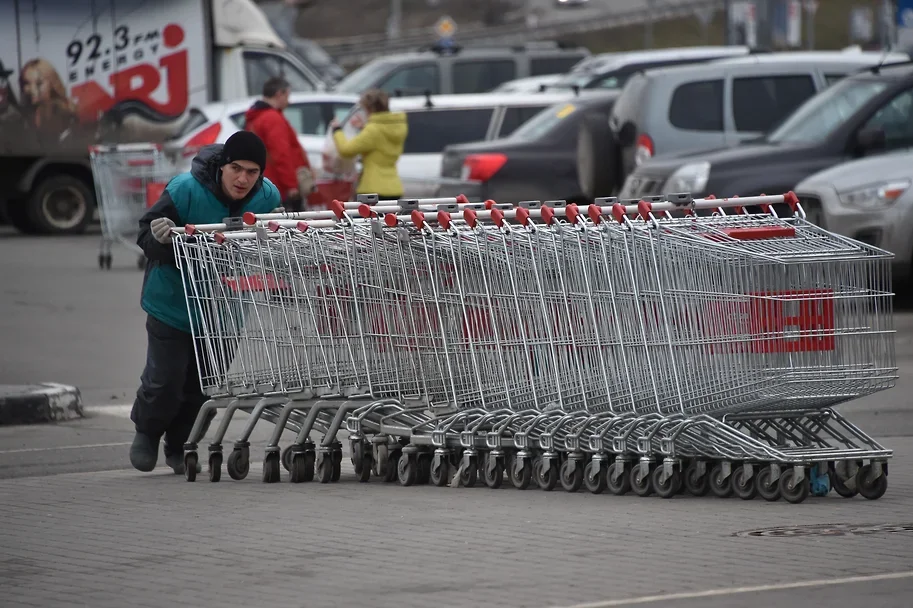
On 17 September, Putin placed Russian entities linked to Nestlé, FM Logistic, Auchan and Lemana Pro under temporary management; this was followed by a decree covering Aptar Vladimir, the Russian plastic-packaging producer owned by France’s Aptar Europe Holding. The measures fit the broader wartime pattern of bringing the assets of companies from “unfriendly” states under Russian control. The earlier decree covered 16 companies worth at least ₽600 billion and noted that temporary management has often preceded eventual transfer or sale, although it does not formally change ownership.
RIGRI’s comment: Since 2022, executive mechanisms for intervening in foreign-owned assets have expanded beyond narrowly strategic sectors to major consumer, retail and logistics businesses, strengthening decree-based control over property during geopolitical confrontation. The decision to proceed with semi-nationalisation in spite of companies proclaiming neutrality stems from the Russian Federation’s tendency to treat companies as extensions of states considered unfriendly. Economic autonomy from “unfriendly” states is increasingly presented as part of national sovereignty. One consequence of this increasingly confrontational approach has been the erosion of political goodwill even among European figures previously regarded as sympathetic towards Moscow: Marine Le Pen joined others in criticising alleged Russian intimidation and interference in French politics and business.
20th September 2026: Donetsk and Luhansk participate in their first Russian State Duma election.
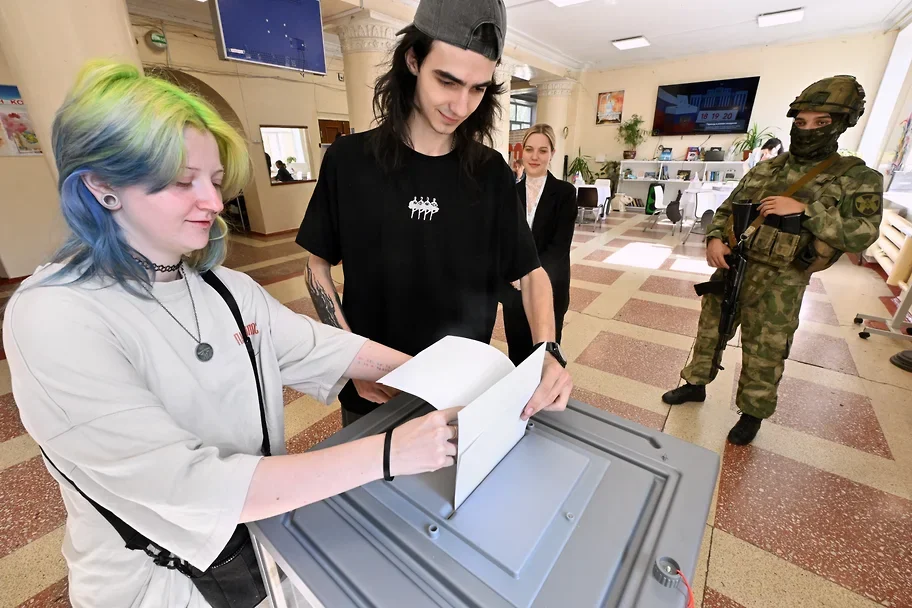
Kommersant reported from Donetsk and Luhansk during the first State Duma election in which the territories incorporated by Russia in 2022 elected federal deputies as Russian regions. The report described contrasting political moods: residents of relatively calmer Luhansk were portrayed as more critical, while heavily war-affected Donetsk showed stronger loyalty to the authorities. Interviewees combined support for Russian political integration with Soviet memories, local Donbas patriotism and security concerns. One voter explicitly feared that political change in Moscow could lead to the territory being “given back” and residents losing Russian citizenship.
RIGRI’s comment: To begin with, the holding of elections in occupied territories renders the electoral process as a whole illegitimate in principle, rather than merely raising questions about the validity of voting in those territories alone. The description of elections in Russian-occupied territories suggests that political identity in Donbas cannot be reduced to party support. Russian state affiliation coexists with a distinct Donbas identity, wartime solidarity, religious imagery, memories of Ukraine and Soviet cultural references. Voting serves as a mechanism of institutional incorporation into Russia. At one Donetsk polling station, a “canvas of unity” featured messages about peace, Donbas, victory, religion and invincibility, while Russian and Soviet songs played and armed personnel guarded the site. Still, Soviet cultural memory appears to provide much of the shared symbolic foundation on which new regional and wartime identities are built.
15th September 2026: Supreme Court sets out an AI-driven vision for justice in Russian Federation.
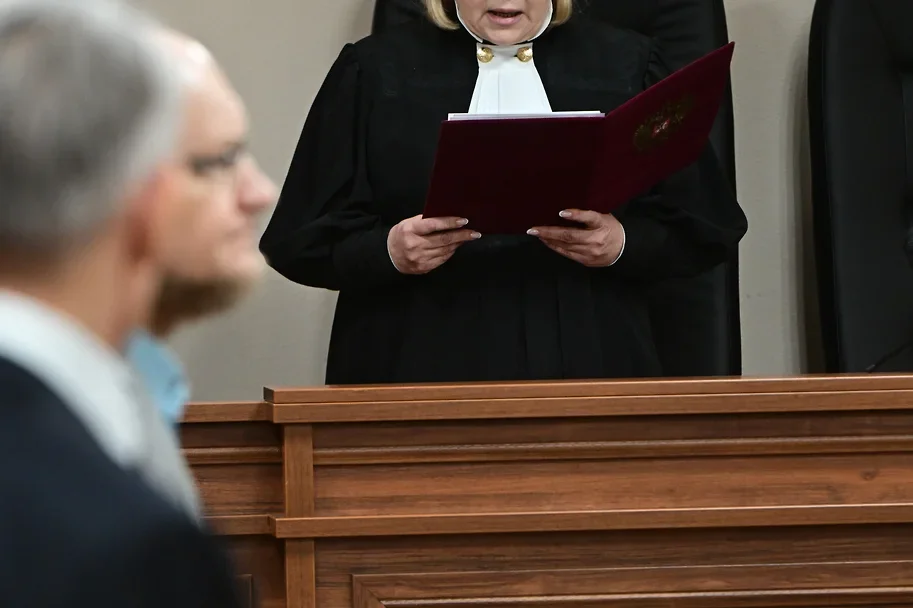
A new concept for the Introduction of AI Technologies into Judicial Proceedings, approved in September by Supreme Court chairman Igor Krasnov, envisages more than 95% of Russia’s judges using AI services by 2030. AI-generated drafts could account for 30–50% of procedural documents, while systems could classify cases, summarise claims, analyse evidence, prepare transcripts and identify relevant precedents. The concept insists that AI remain an assistant rather than a substitute for judges, with human verification, recorded interactions and predominantly domestic technology.
RIGRI’s comment: The programme aims not merely to digitise records but to place algorithmic systems inside judicial reasoning workflows. AI would effectively automate parts of the adjudication process, reducing the burden on the courts given ongoing staff shortages and the loss of qualified personnel. It is another example of how the Russian Federation presents itself as technologically independent, as well as a proof of concept for domestically developed AI technology.
Weekly Digest 08.09.2026 – 14.09.2026
13th September 2026: The International Youth Festival became a platform for an explicit definition of Russian civil character and sovereignty.
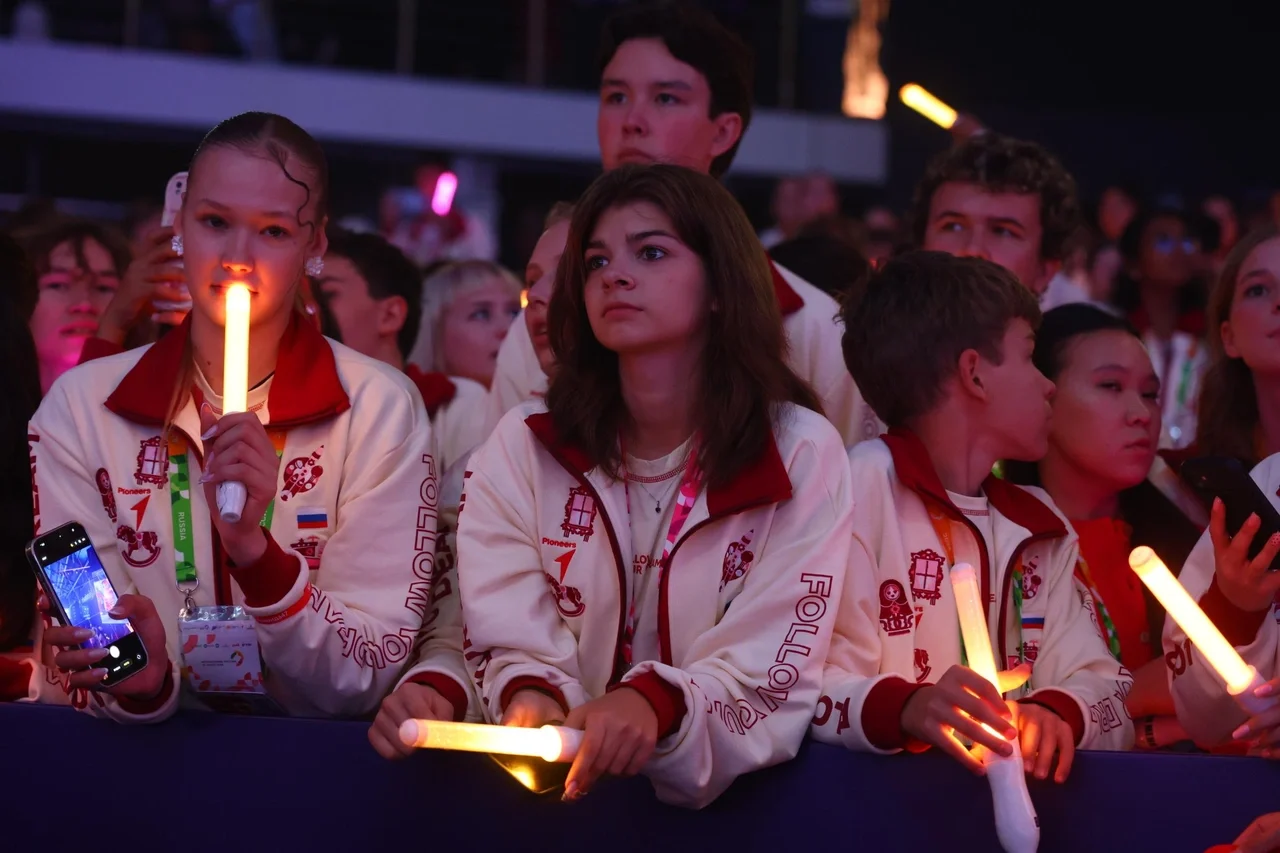
In a video address to the International Youth Festival, Putin tied Russian identity to the double meaning of the Russian word mir, presenting it as both “peace/harmony” and “the world.” He then linked that linguistic motif to the “character of the multinational people of Russia,” to fairness in relations between nations, and to the proposition that every people should be free to choose its own path of development.
RIGRI’s comment: An explicit example that combines language, multinational identity and sovereign-development doctrine into a single narrative of state identity construction: the Russian Federation is presented as culturally distinctive yet internationally open, anti-hierarchical and supportive of multiple development models. If only foreign participants did not have separate unrestricted Internet access, that narrative would be stronger.
11th-12th September 2026: Putin used the BRICS summit to reinforce Russia’s anti-hegemonic and “just world order” narrative.
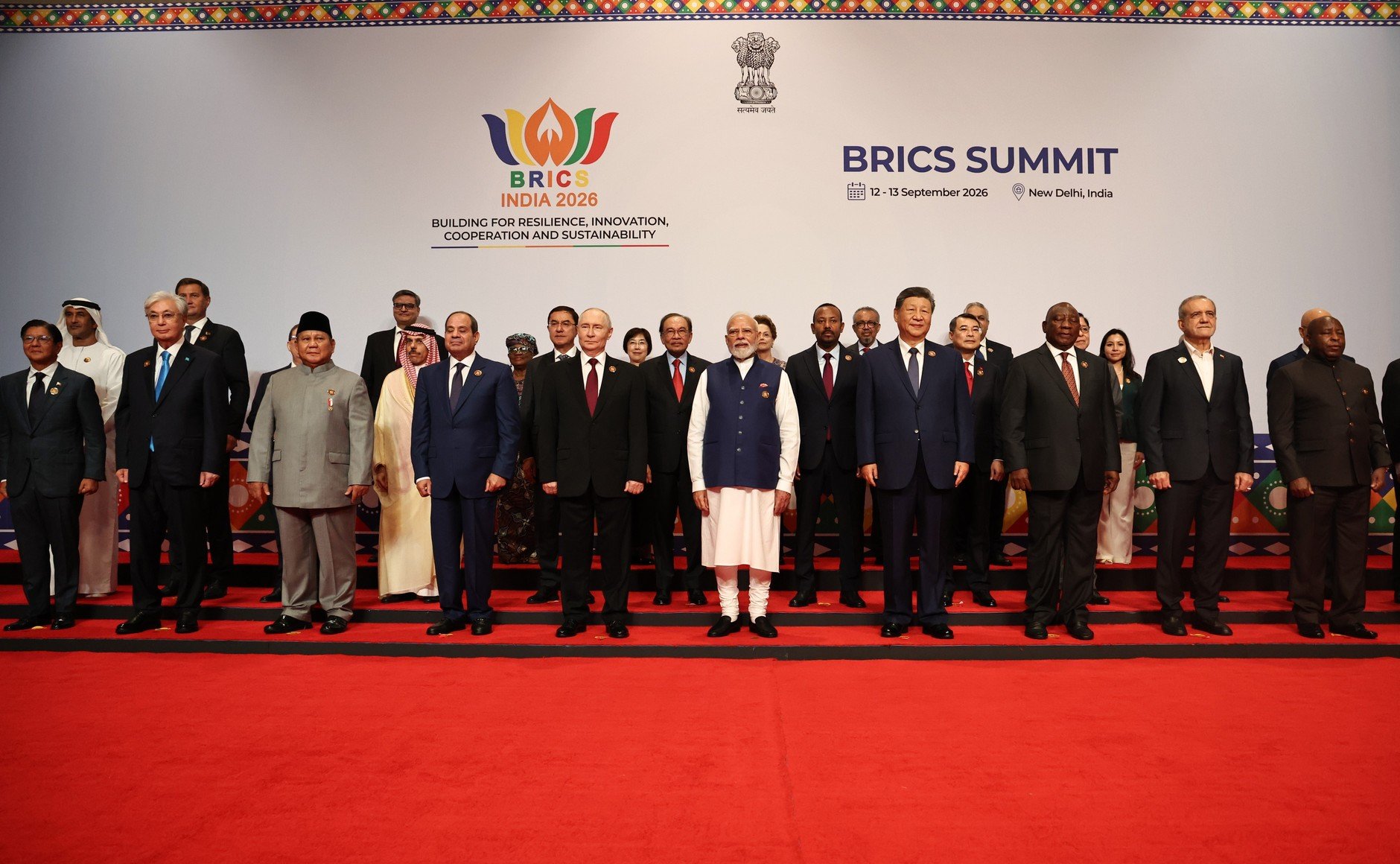
During the BRICS summit in New Delhi, Putin presented the Ukraine conflict and current global tensions within a broader argument about Western attempts to preserve predominance. Russian coverage highlighted his criticism of countries that, in his words, continue to think in “colonial categories,” alongside his description of BRICS as helping shape the contours of a fairer international order.
RIGRI’s comment: Contemporary official Russianness is increasingly described not only by the Russian Federation’s purported place in world history: sovereign, non-Western, anti-colonial and aligned with a “multipolar” world. That civilizational framework is used to explain the conflict with Ukraine, relations with Europe and current partnerships with BRICS states. It should therefore be treated as a primary source on state ideology and foreign-policy framing.
10th September 2026: The Interior Ministry reported approximately 100,000 migrant expulsions, sharpening the governance of belonging.
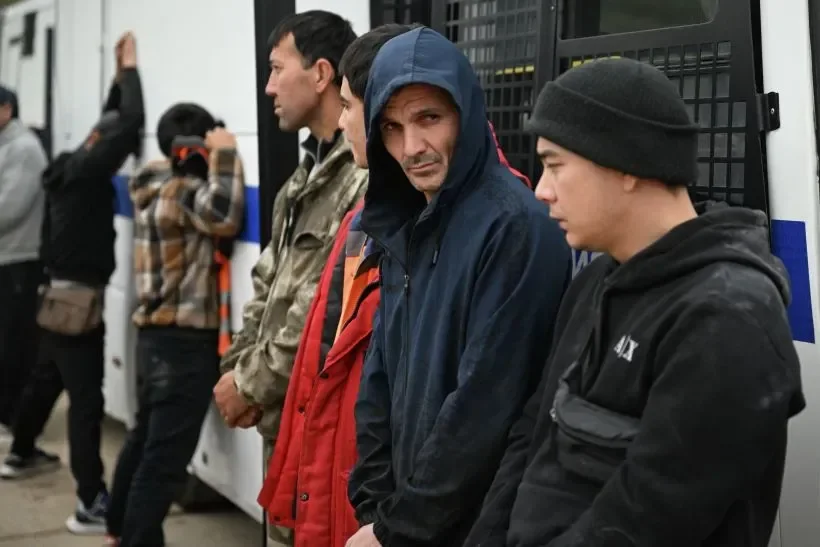
At a meeting with Putin, First Deputy Head of the Ministry of Internal Affairs Kikot said about 100,000 migrants had been expelled from Russia over the preceding 18 months, including approximately 75,000 forced expulsions. He also reported that entry had been barred to 197,000 foreign nationals, that 800,000 foreigners had violated migration rules, and that enforcement had intensified against fraudulent documents and allegedly fictitious family relationships.
RIGRI’s comment: Migration policy is one where the state defines who may live in the Russian Federation, under what conditions, and by what route someone can acquire durable membership in society. The emphasis on registration, controlled-person databases, family relations and residence permits shows how police-administrative systems exclude those not align with the state. Given that at least 4.7 million labour migrants and their relatives are present in the Russian Federation at the moment, those deportations are not an effort to reverse the migration process.
8th September 2026: Celebrations of the first Day of Languages of the Peoples of the Russian Federation.
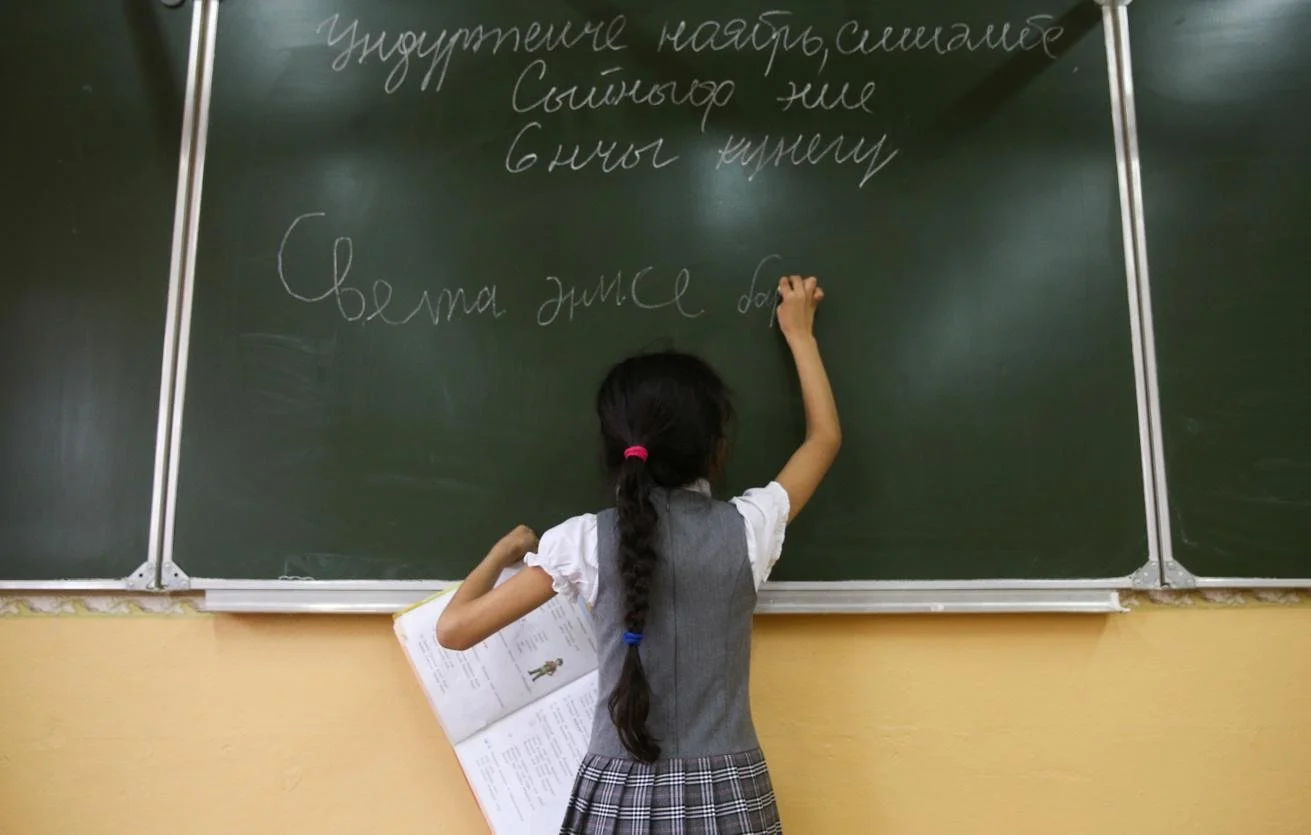
Russian Federation marked the newly established Day of Languages of the Peoples of the Russian Federation for the first time on 8 September, the birthday of Dagestani poet Rasul Gamzatov. The Education Ministry tied the first observance to the opening of the fifth national competition for the “Best Teacher of a Native Language and Native Literature,” embedding the new symbolic holiday in the education system rather than limiting it to ceremonial commemoration.
RIGRI’s comment: The constitutional model combines Russian as the state language throughout the federation with the right of republics to their own state languages. The new holiday gives that multilingual model a recurring national ritual. It reinforces an identity of “unity through diversity”: political integration around a common state alongside officially recognised ethnic and linguistic plurality. At the same time, these languages are being supported as micro-centres of identity. This appears to reflect an attempt to do with other ethnic groups what has already been done with Russian identity: to concentrate and structure their identity around language.
Weekly Digest 01.09.2026 – 07.09.2026
7th September 2026: A mass Orthodox procession merges religious, historical and national symbolism in Moscow.
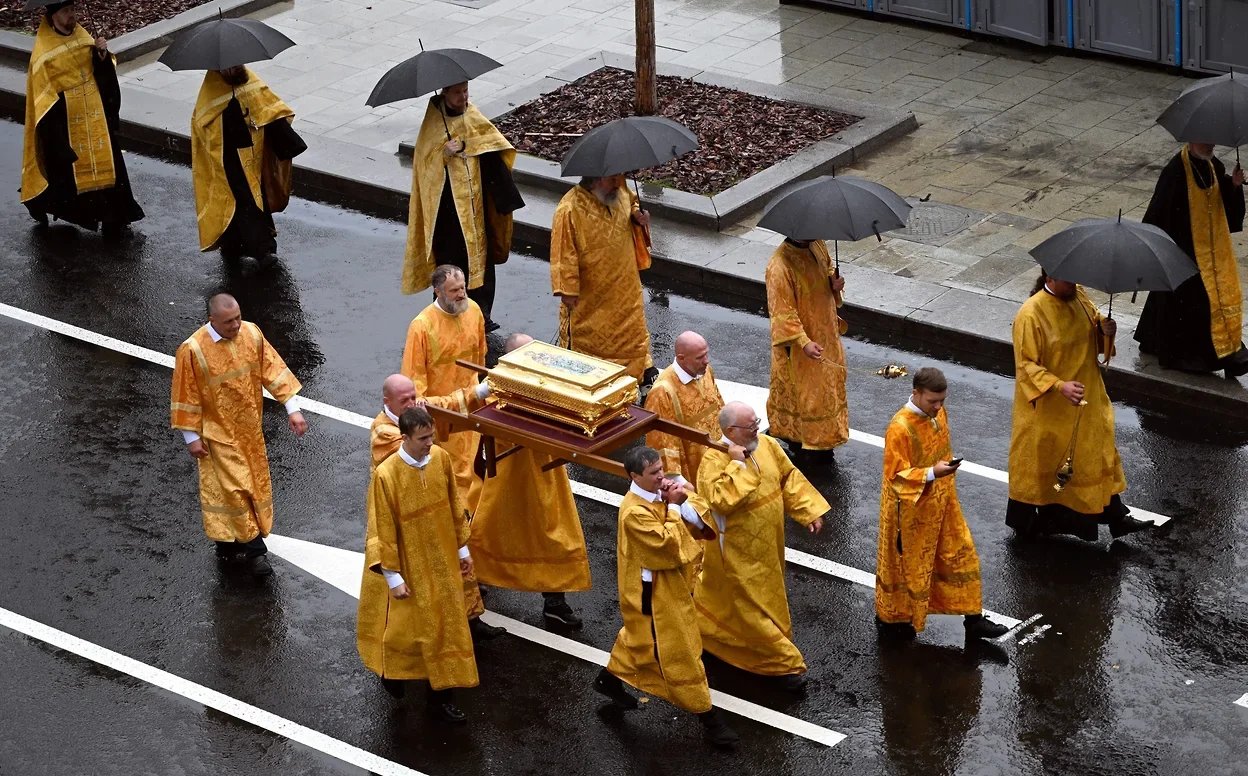
More than 100,000 people took part in the Moscow-wide Orthodox procession, walking almost ten kilometres behind Patriarch Kirill and the relics of Prince Dmitry Donskoy. The procession contained religious banners, images of saints and the last imperial family, while participants used slogans explicitly linking Russianness and Orthodox faith. Patriarch Kirill described the event as another contribution to establishing the procession tradition; police and Rosgvardiya/National Guard managed security and movement along the route.
RIGRI’s comment: The procession demonstrates an attempt by the Russian Orthodox Church (ROC) to further connect itself with the current process identity, historical memory and national self-description, especially through Dmitry Donskoy and explicitly Russian religious slogans. It should be noted that the procession explicitly rejected flags associated with ethnic Russian nationalism and put an emphasis on international Orthodox participation.
4th September 2026: Putin sets a cross-government agenda for preserving historical memory.
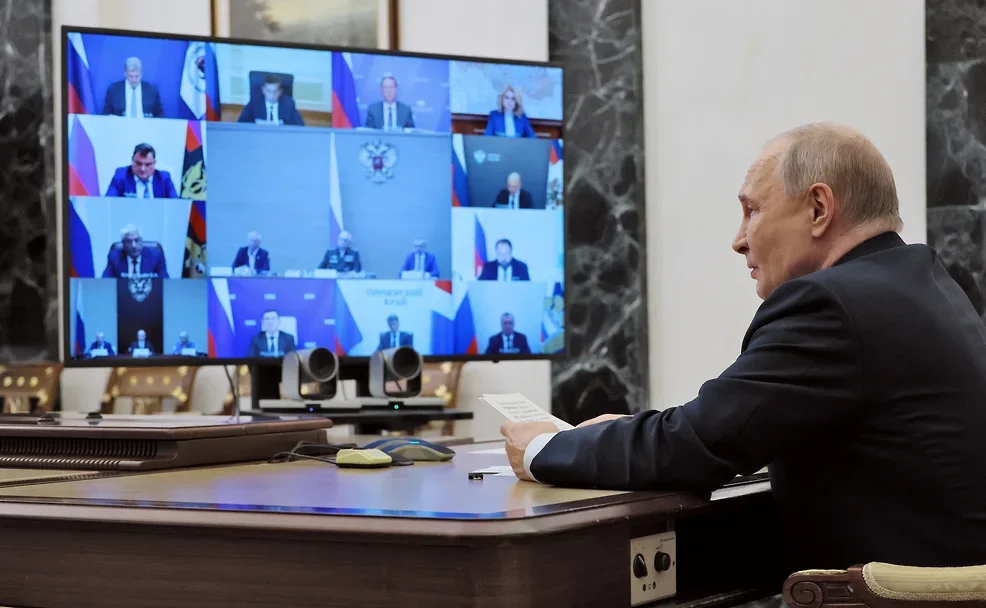
President Vladimir Putin chaired a meeting of the Russian organising committee “Pobeda” devoted to historical memory, museums, excursions and applications for the title “City of Labour Valour”. The discussion explicitly addressed the roles of the executive and judicial branches, turning memory from commemorative rhetoric into an inter-institutional governance subject. Putin instructed the Ministry of Education, Ministry of Science and Higher Education and Ministry of Culture to continue creating museum and exhibition displays in educational and cultural institutions. The committee itself was established as a body for conducting a unified state policy in patriotic education.
RIGRI’s comment: Historical memory is an object of coordinated state policy, with identifiable ministries, institutions and implementation tasks. The policy expands the category of protected “places of memory” beyond war memorials to buildings, urban quarters and natural ensembles, embedding the official historical narrative into policy. The recent award of the honorary title "City of Labour Valour"(that sounds Soviet but was introduced only in 2020) to twelve cities indicates that the Soviet historical memory, or a new interpretation, is the dominant part of that memory.
3rd September 2026: Lavrov announces closure of Goethe-Institut branches after action against the Russian House in Berlin.
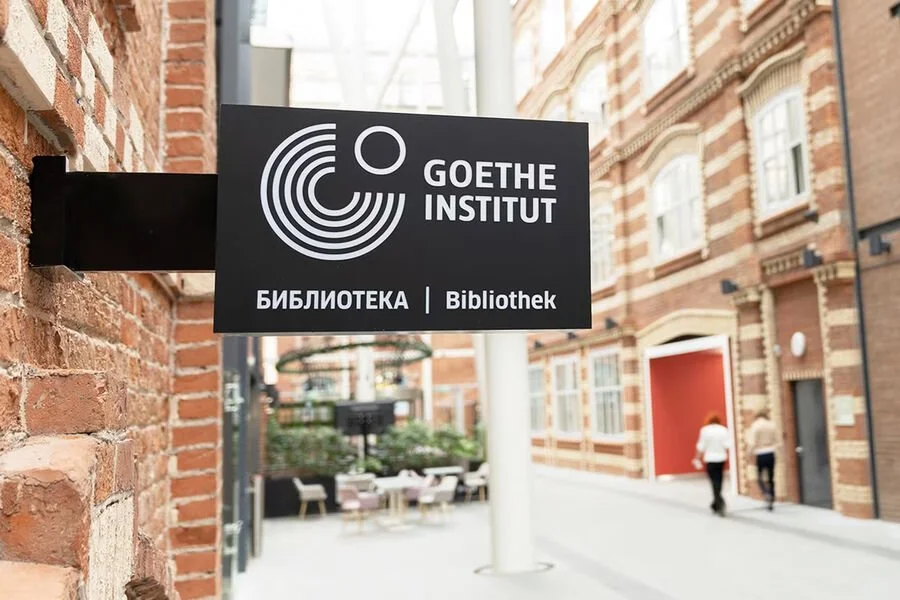
On 1 September, Germany formally accused Russia of involvement in an attempted sabotage operation against a Ukrainian An-124 cargo aircraft at Leipzig Airport, which German officials described as part of Russian hybrid activity. Berlin responded by announcing the closure of the Russian consulate in Bonn and the Russian House in Berlin. Two days later, Foreign Minister Sergei Lavrov said Goethe-Institut branches in Russia would be closed following the German move against Russia’s cultural centre in Berlin. He presented the measure explicitly as reciprocal, arguing that Berlin’s action necessarily meant an end to Germany’s remaining cultural presence in Russia. This is more than a routine diplomatic retaliation (which also happened) since the institutions concerned are vehicles for language instruction, cultural exchange and national cultural representation.
RIGRI’s comment:
The decision reduces both German cultural infrastructure in Russia and Russian state-sponsored cultural outreach abroad, showing how the Russian Federation treats cultural institutions as instruments of interstate relations and diaspora mobilisation. By applying diplomatic reciprocity to bodies such as the Russian House and Goethe-Institut, the Foreign Ministry is directly setting the limits of foreign cultural activity inside the Russian Federation. The trend is leading towards further isolation if there are opposing narratives present. A similar case happened with a Khabarovsk monument where a damaged Imperial chrysanthemum remained despite Japan’s protests.
1st September 2026: New restrictions concerning foreign agents and Russians abroad take effect.
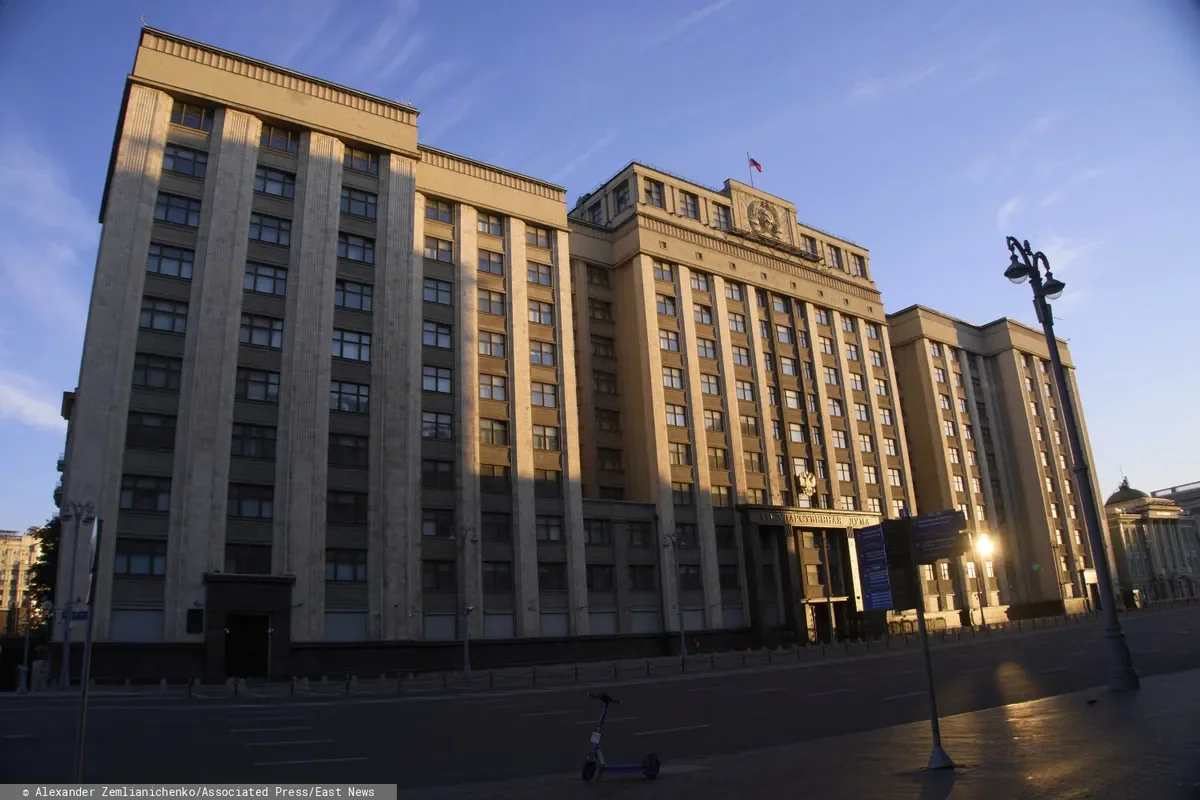
A package of legal provisions concerning “foreign agents” and Russians living outside the country took effect on 1 September. According to Volodin’s explanation reported by Interfax, social advertising may no longer be distributed through resources controlled by foreign agents, and foreign agents themselves may not act as advertisers in this sphere. The number of Administrative Code provisions under which persons outside Russia can be pursued for offences characterised as committed “against our country” was expanded to fifteen; legislation also provides for property arrest intended to prevent avoidance of court decisions.
RIGRI’s comment: Being abroad does not remove a citizen of the Russian Federation, or any other relevant person, from the reach of the specified administrative sanctions and enforcement tools. If any assets remain in Russia and the émigré does not manage to settle abroad, they might choose to submit and cease resistance before the state imposes further restrictions, without even resorting to penal law. Without settlement and a safety net abroad, Russian emigres will not be able to begin formulating how and why the population should oppose the Kremlin.
Weekly Digest 25.08.2026 – 31.08.2026
30th August 2026: Russian University of Sport commissions system to measure students' adherence to “traditional values” and “risks of radicalism”
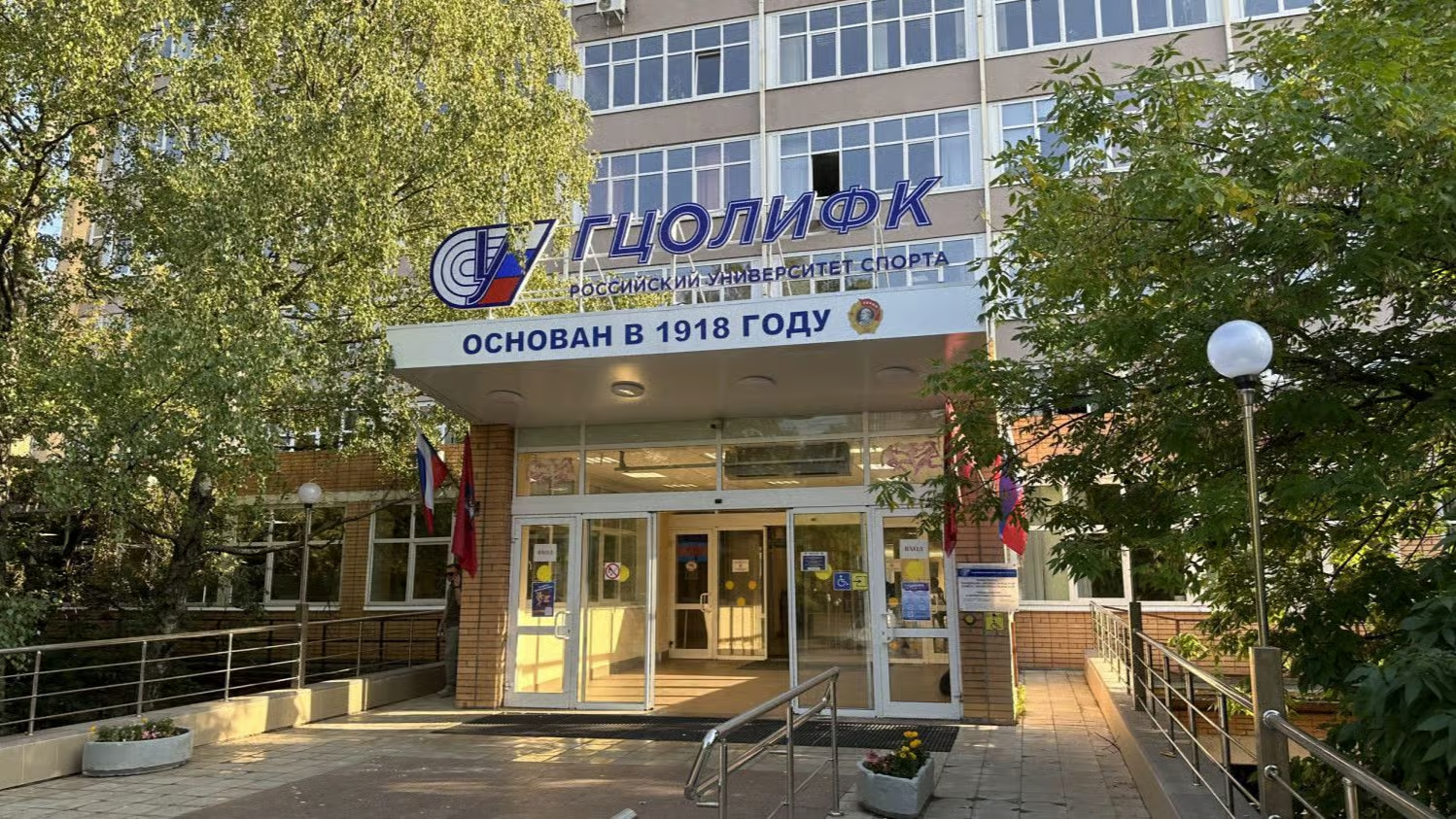
The Russian University of Sport GTSOLIFK, which is subordinate to the Ministry of Sport, published an 8.3-million-ruble procurement for a system designed to monitor student attitudes toward “traditional values” and assess alleged risks of radicalism. The technical specification envisages classifying students into four categories: “target acceptance”, “risks of radicalism”, “radicalism without acceptance”, and “rejection of values”. At least 500 students are to be assessed upon entering the university. A digital platform will process the diagnostic results, and the contractor must develop recommendations for each category and propose measures for “risk prevention” and educational work. The project builds on a prototype and monitoring work conducted in 2025; the Higher School of Economics had previously received a related 10-million-ruble contract. Experimental ideological measurement is evolving into a repeatable institutional technology rather than a one-off survey.
RIGRI’s comment: An abstract political concept of “traditional values” is converted into categories by which individual people can be evaluated. The pairing of value rejection with terminology about “radicalism”, followed by preventive and educational intervention, points toward a governance model in which conformity can become something institutions actively diagnose and cultivate. Values can be defined later, but the management system is being implemented now.
28th August 2026: Russia designates émigré academics' Faculty of Liberal Arts and Sciences in Montenegro an “undesirable organisation”
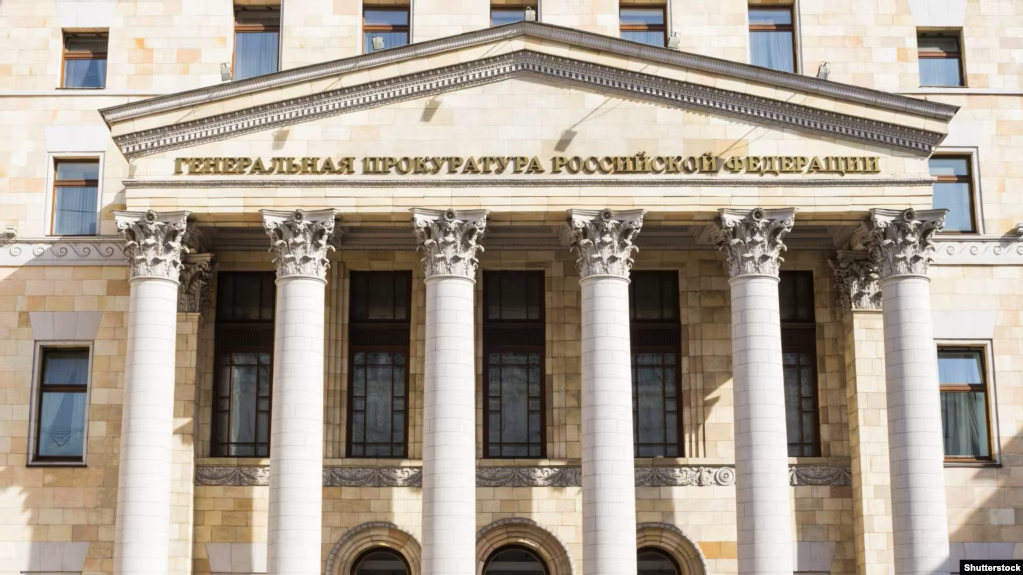
The Prosecutor General had designated the Faculty of Liberal Arts and Sciences in Montenegro an “undesirable organisation”. The faculty, based in Budva and licensed in Montenegro, was founded by Russian academics who left the Russian Federation after the start of the full-scale war and had previously taught at the Moscow School for the Social and Economic Sciences. The designation places another émigré Russian educational institution within a legal category designed to restrict its interaction with people and institutions inside Russia.
RIGRI’s comment: The faculty represents a strand of Russian academic and cultural life that survived through relocation rather than incorporation into the increasingly state-directed domestic education system. Its designation therefore connects the “undesirable organisation” regime with a struggle over which forms of Russian intellectual life remain legitimate. Russian identity is not produced only by promoting approved ideas; it is also shaped by excluding competing institutions from the legitimate Russian cultural sphere. By applying domestic legal stigma to a Russian-founded liberal-arts institution abroad, the authorities extend the intellectual boundaries into the diaspora and make interaction between domestic Russians and alternative émigré cultural networks more legally hazardous. Furthermore, it was one of the easier legal pathways for Russian students to receive an internationally recognised degree and retain mobility.
26th August 2026: Russian Military-Historical Society prepares a “truthful” textbook on the history of Ukraine
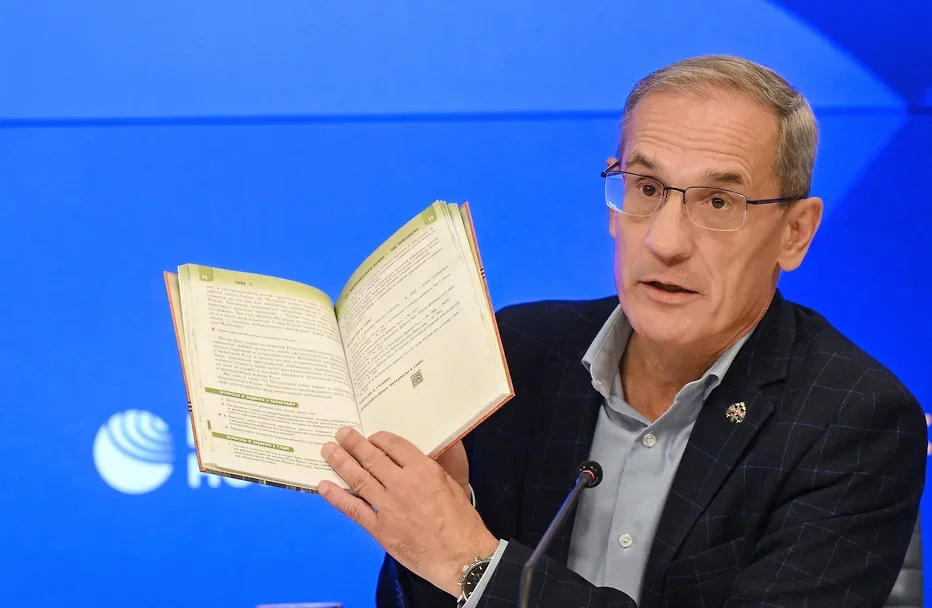
The Russian Military-Historical Society, or RVIO, is preparing a history textbook on Ukraine for publication in Russia, its scientific director Mikhail Myagkov announced in Moscow. He described it as a “truthful” textbook extending from ancient history to the present. Most revealingly, Myagkov said it would address the “unity of the ancient Rus' people”, explain how the term “Ukrainism” arose and discuss who allegedly initiated it. Myagkov also explicitly connected the project to the future political use of history, saying that a separate question was how to convey this “truth” to schoolchildren in territory that, in his terminology, remains under the control of the “Kyiv regime”.
RIGRI’s comment: An unprecedented case of a country writing a history book for another sovereign country without a request. The announcement linked historical interpretation to the Russo-Ukrainian war, territorial ambitions and prospective education policy. RVIO is chaired by Vladimir Medinsky, a central figure in the Kremlin's historical memory policy. There is an effort to codify the Kremlin-aligned claim that Ukrainians originate in a fundamentally unified historical community with other ethnicities of the Russian Federation and that a separate Ukrainian identity requires political explanation. The proposed textbook turns that interpretation into a potential pedagogical instrument, connecting historical memory directly to the state's conception of nationhood, war and territory. The future book is presumably is going to be used for ideological indoctrination on the occupied territories.
26 August 2026: What’s inside newly created spetskhran (special storage section)? A lot of Ukrainian books
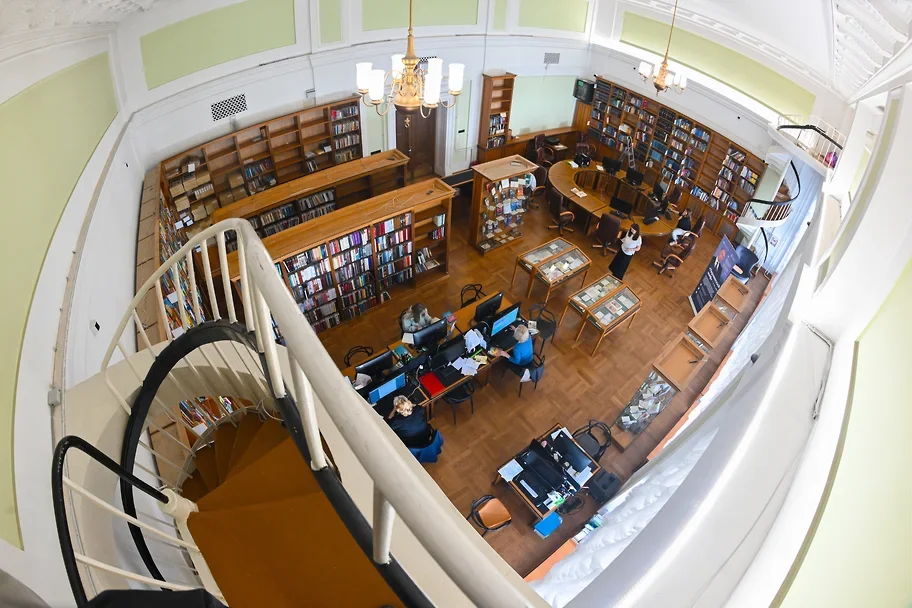
Russia’s State Library in Moscow has created a restricted collection of around 20,000 books classified as “destructive literature,” most of them in Ukrainian. Access is tightly controlled and is mainly available to security-service personnel and specially approved researchers. The collection includes books on Ukrainian nationalism and history, works critical of Vladimir Putin and Russia, and publications about the war in Ukraine. It also contains less obviously political material, including children’s books, historical works and fiction. Library officials say the aim is to preserve controversial material for research rather than destroy it. The criteria for inclusion are broad and include textual “markers” such as referring to Russia as “Muscovy,” calling Russians “Bolsheviks,” or discussing organisations such as the OUN or UPA. The project has therefore drawn comparisons with Soviet-era restricted library collections and censorship practices.
RIGRI’s comment: The introduction of a special storage section shows how the state promotes approved interpretations of history, patriotism, and Russia’s relationship with Ukraine while marginalising competing narratives. Moreover, it revives the Soviet practice of imposing ideological restrictions, not on state secrets, but on ordinary literature.
25th August 2026: Investigation finds that 47 of Russia's 50 leading universities recruit students for Defence Ministry contracts
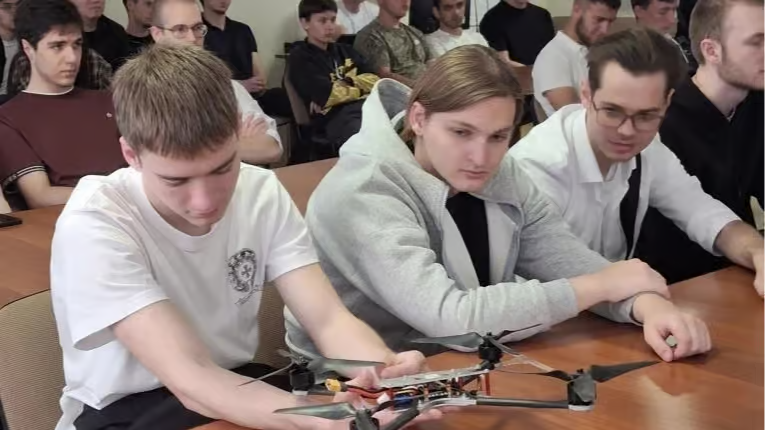
Novaya Gazeta Europe examined the 50 highest-ranked institutions in the 2026 RAEX-100 university ranking and found evidence of Defence Ministry contract recruitment in at least 47. Forty-four had published advertisements on their own websites or social-media accounts, and at least 12 had organised dedicated recruitment events. In most cases, recruitment was presented in connection with Russia's unmanned-systems forces. The investigation also found a deeper institutional connection between universities and drone warfare. At least 32 of the 50 universities had educational programmes involving the construction or operation of unmanned aerial systems. Some institutions offered incentives connected to service, with reported indications of recruitment targets or quotas at several universities. Cases in which students at risk of expulsion were specifically approached were also documented. The investigation cautioned that promotional language about one-year service in unmanned formations could obscure the legal character of the contract. According to lawyers cited, students sign ordinary Defence Ministry contracts rather than contracts guaranteeing either release after one year or assignment specifically as drone operators.
RIGRI’s comment: Embedding military recruitment and drone-oriented training within them normalises military service. It shows the war reshaping the institutional meaning of higher education and helping construct a more explicitly militarised model of citizenship that can be implemented in future conflicts.
25th August 2026: Justice Ministry launches test register imposing restrictions on convicted citizens of Russia living abroad.
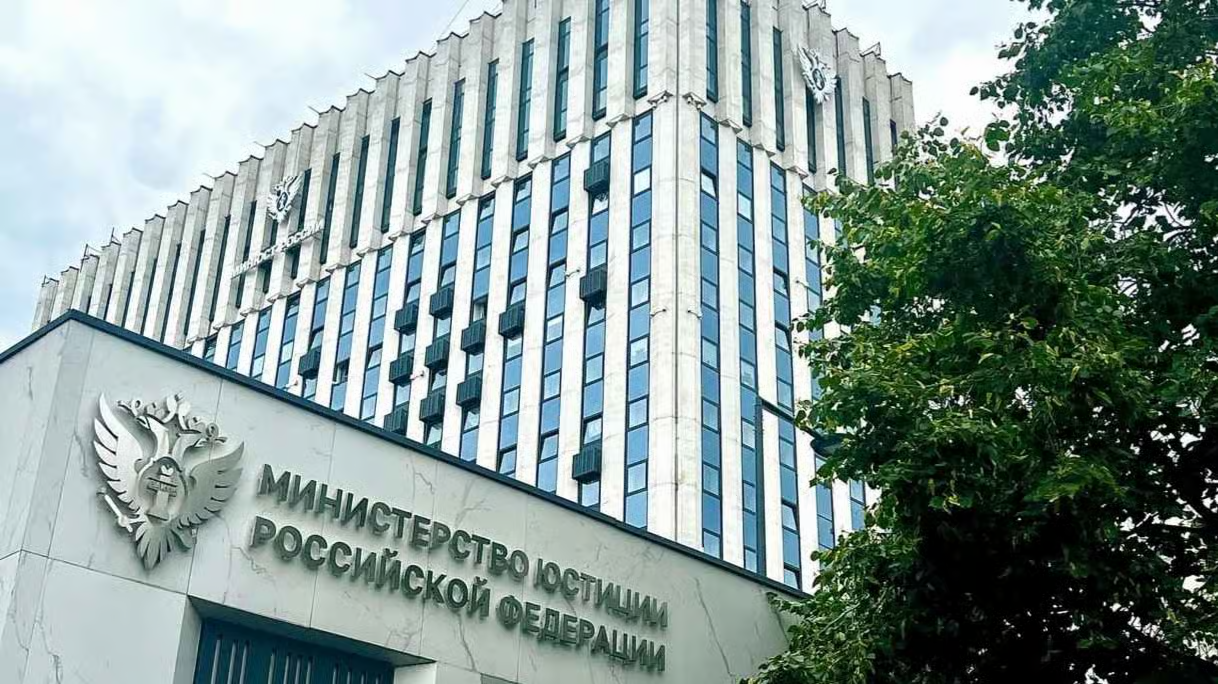
Russia's Justice Ministry launched a test version of an online register of people subject to “temporary restrictive measures”. The underlying law, Federal Law No. 284-FZ of 4 August, concerns people outside Russia whom the authorities regard as evading execution of punishment. The register encompasses Russia’s citizens abroad convicted in criminal cases and specified politically sensitive administrative cases. The public database is designed to include names, dates and places of birth, tax and social-security identifiers, and the numbers of special Ruble accounts into which Russia-based income can be channelled. The consequences extend beyond publication of a name. The restrictions described in the legislation and accompanying reporting can affect access to consular documents, property and vehicle registration, online government services and some financial transactions. The mechanism therefore enables the Russian state to continue exercising significant administrative leverage over people who have physically left its territory.
RIGRI’s comment: This measure changes the practical meaning of belonging to the Russian emigrant community. A citizen may be physically outside Russia yet remain subject to a digitally administered package of penalties touching identity documents, property and financial life, resulting in “civic death”. Citizenship of the Russian Federation remains a basis for state control even when individuals live abroad.
Weekly Digest 18.08.2026 – 24.08.2026
23 August 2026: Ryazan figures expose the practical consequences of Russian-language testing for migrant children.
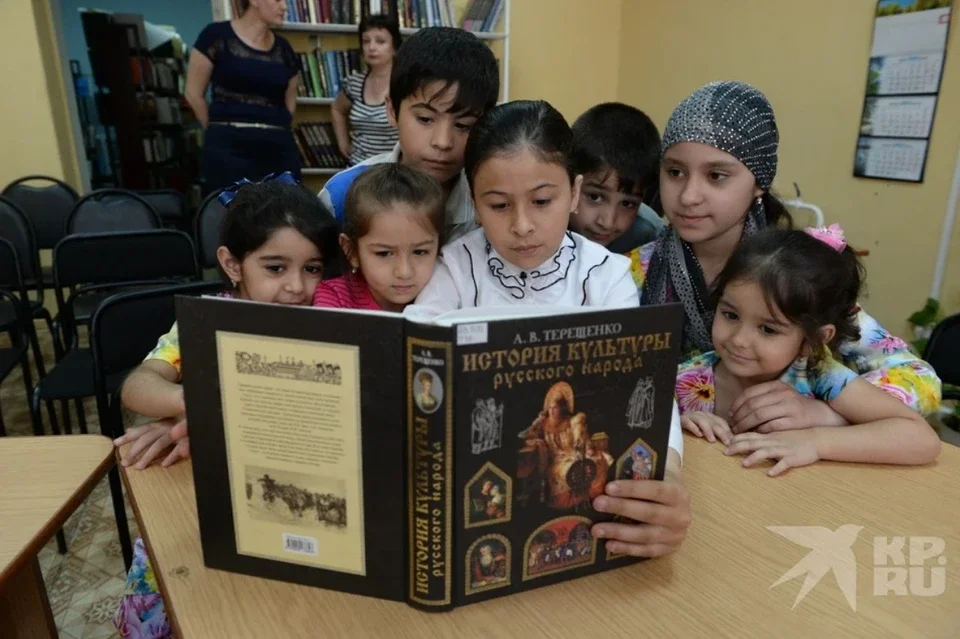
A newspaper from Ryazan reported that 179 foreign-national children in Ryazan had been referred for Russian-language testing during the preceding educational cycle. Of these, 78 passed and 101 failed, meaning 56.4% did not meet the required standard for admission to Russian general-education programmes. The testing requirement stems from federal legislation requiring foreign and stateless children to demonstrate sufficient Russian-language proficiency before entering ordinary schools. In Ryazan, children who fail are not permanently excluded: special language preparation, including courses at School No. 63, is intended to prepare them for retesting. Nevertheless, the policy delays access to regular schooling for children who do not initially meet the language threshold and raises questions about how effectively language requirements are being combined with educational integration.
RIGRI’s comment: This case shows how the Russian language requirement for foreign children operates and how language proficiency functions as both an educational standard and as a tool of integration. Linking school access to command of Russian, the state reinforces language as a marker of civic inclusion and national cohesion. The presence of preparatory courses suggests an effort to ensure integration, although the high failure rate risks leaving migrant children in an ethnic enclave.
22 August 2026: State Flag Day reinforces the tricolour as an instrument of national unity.
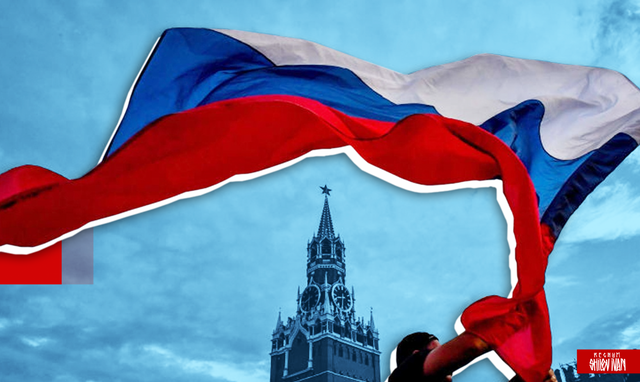
Russian Federation marked State Flag Day on 22 August with commemorations across the country, including exhibitions, patriotic events and the nationwide “Colours of the Motherland” campaign. Official narratives presented the white-blue-red tricolour not only as the principal symbol of the Russian state, but also as part of a longer historical tradition dating back to the seventeenth century. The political significance of the celebrations was heightened by United Russia’s national congress on the same day, where Vladimir Putin linked the holiday to themes of national unity and the governing party’s political agenda.
RIGRI’s comment: State-sponsored patriotic rituals contribute to the construction of a shared Russian identity. The tricolour currently functions as a broadly civic symbol of Rossiiskaya/Russian civic/Russovian identity that can encompass Russia’s diverse ethnic and regional populations without defining belonging exclusively in ethnic Russian terms. At the same time, the close association between national symbols, presidential rhetoric and United Russia reinforces the connection between patriotism, state authority and the existing political order, requiring those in opposition to the Kremlin to use other flags.
21 August 2026: Draft textbook reveals how the state intends to teach “Spiritual and Moral Culture of Russia”
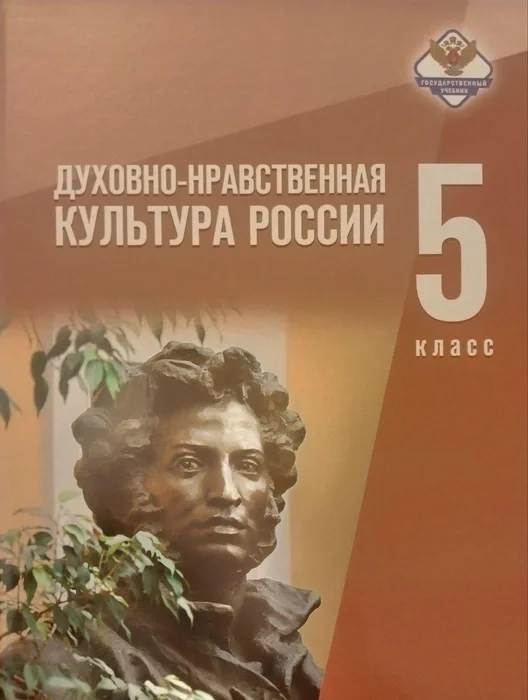
On 21 August, Vladislav Kononov, an official linked to the presidential administration’s humanitarian policy structure, publicised a draft state textbook for the new compulsory course Spiritual and Moral Culture of Russia. Intended initially for fifth-graders from the 2026/27 school year, the draft includes lessons including “Patriotism — love for the Motherland,” “Tradition of service to the Fatherland”, traditional values, the Russian language as a basis of national unity, multinational Russia, Orthodoxy, family, labour and moral responsibility. As the textbook remains a draft, its final wording may change.
RIGRI’s comment: New subject brings state identity policy further into compulsory schooling, providing an institutional mechanism for directly transmitting officially endorsed ideas about patriotism, morality, religion, history and citizenship. How will the state define Russian civic identity into a civilizational narrative that currently focuses on Orthodoxy with the multiethnic character of the Russian Federation?
20 August 2026: Putin visits the relics of Dmitry Donskoy in the Kremlin.
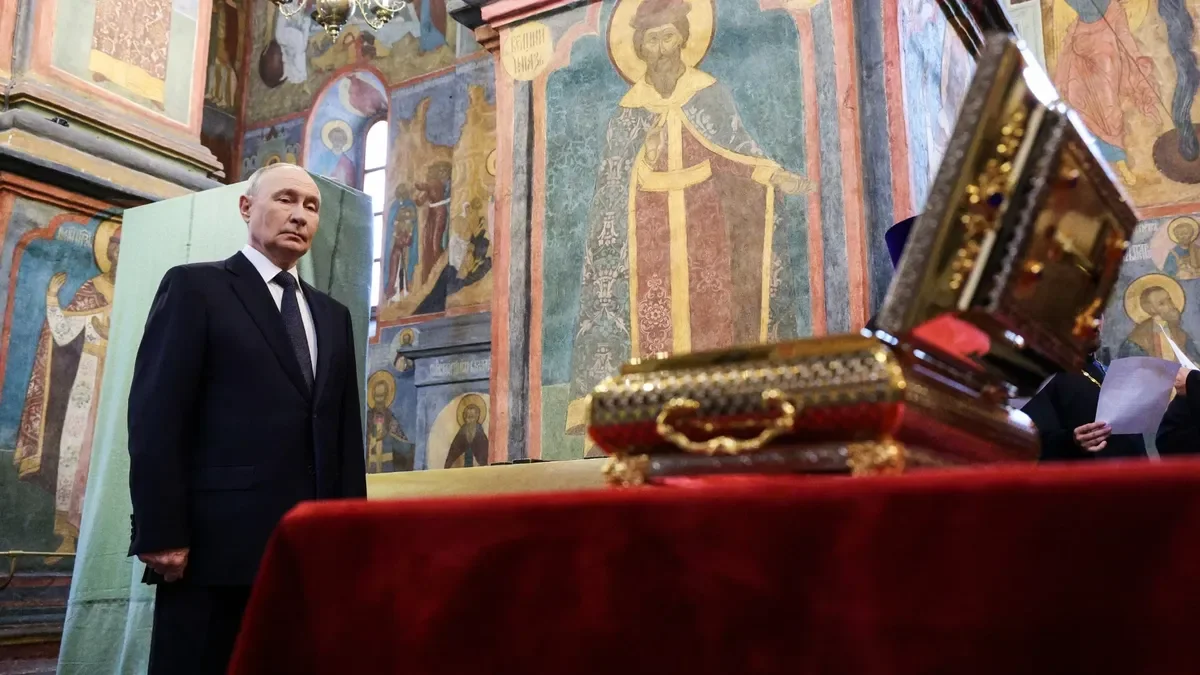
On 20 August, Vladimir Putin visited the Archangel Cathedral in the Moscow Kremlin and attended a prayer service marking the identification of remains attributed to Grand Prince Dmitry Donskoy, the medieval ruler associated with the Battle of Kulikovo and the consolidation of the northeastern Rus' principalities. The Moscow Kremlin Museums stated that historical, archaeological and anthropological evidence supported the identification. Following restoration work in the cathedral, archaeologists accessed a crypt containing sarcophagi associated with Dmitry Donskoy and other medieval princes. The Russian Orthodox Church (ROC) subsequently authorised fragments of the remains to be placed in reliquaries for veneration. Russian reporting also discussed giving servicemen involved in the war in Ukraine access to the relics of the canonised “prince-warrior,” creating an explicit connection between medieval sacred-military memory and the contemporary armed forces.
RIGRI’s comment: The remains of Dmitry Donskoy serve as a potent symbol of political consolidation, religious legitimacy, and military resistance, and are now being used by the ROC to bolster frontline morale. Putin’s being briefed on Donskoy’s significance also suggests that he is aware of the initiative and broadly accepts it, while stopping short of personally participating in or endorsing it. The state appears to value the Church’s support, but the evidence does not point to deeper, direct involvement.
Weekly Digest 11.08.2026 – 17.08.2026
17 August 2026: Supreme Court definitively blocks Yabloko’s federal party list.
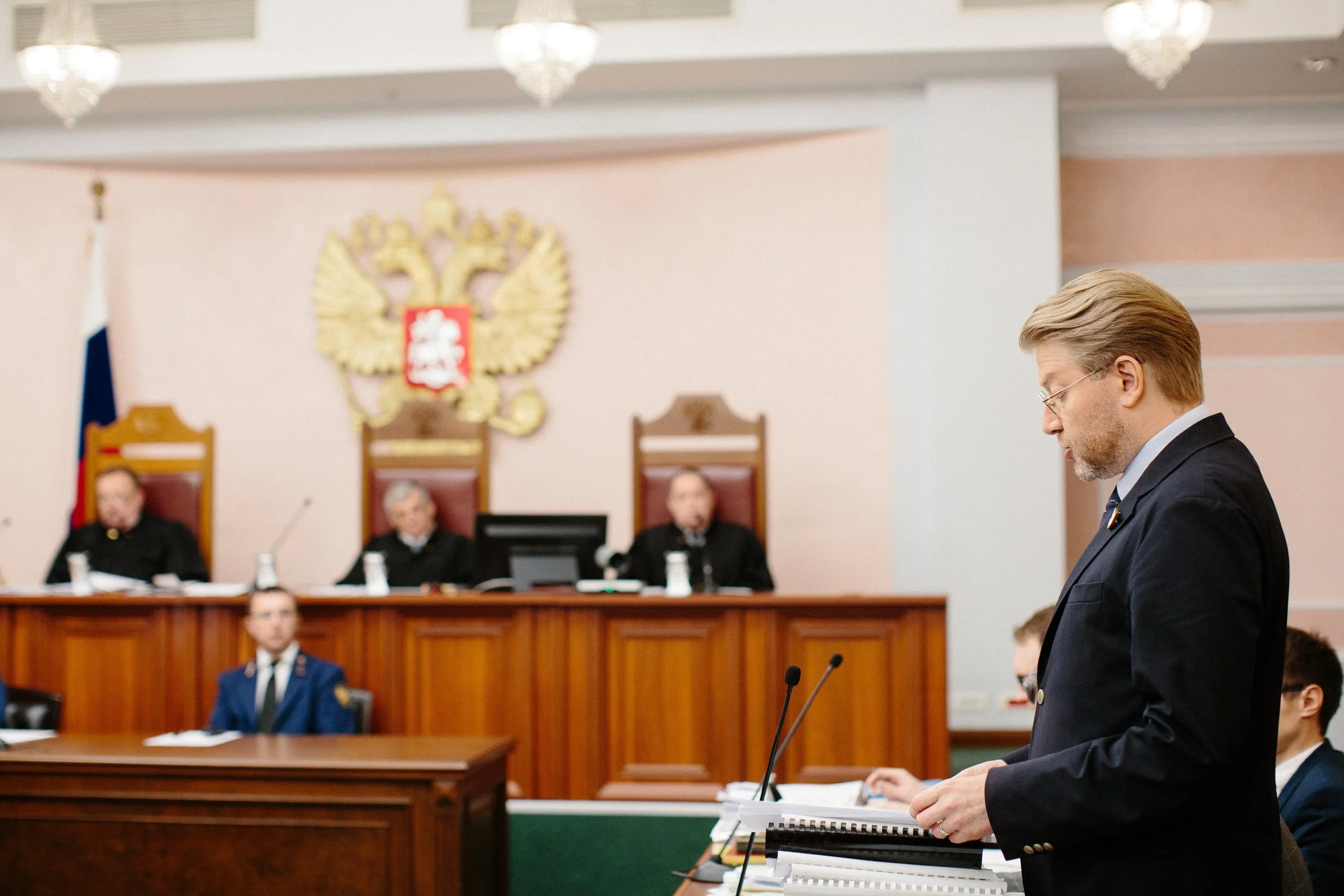
On 17 August Russia’s Supreme Court rejected Yabloko’s appeal against the removal of its party list from the upcoming State Duma election, leaving in force the court’s initial 10 August judgment. Yabloko chairman Nikolai Rybakov argued the appeal in court, and the party published his submission. Russian reporting on 17 August confirmed that the earlier exclusion remained in force. The state nationalist Rodina party had initiated the original case. International reporting described Yabloko as Russia’s only legally registered party explicitly opposing the war in Ukraine and noted that its platform sought a ceasefire and negotiated settlement.
RIGRI’s comment: Yabloko offers a competing answer to the question, “What does loyalty to Russia require?” Its leaders argue that opposition to the war and advocacy of peace are compatible with Russian patriotism. Removing its national list means that the federal electoral arena no longer contains a registered party offering that explicit identity narrative. Judicial intervention has narrowed the range of choices in a national parliamentary election. As mentioned before, participating in elections means supporting the state and the ongoing war. There is no legal way to oppose the regime. This and the arrest of Yabloko deputy chairman should be a clear enough signal.
16 August 2026: VEB fired chief economist Andrei Klepach for his remarks about Russia's defeat and social crisis.
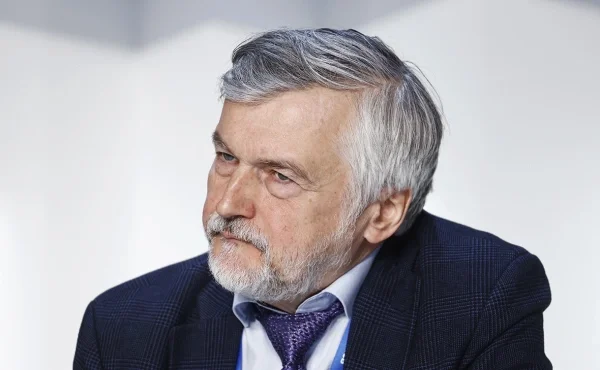
Andrei Klepach, VEB.RF’s chief economist since 2014 and a former deputy economy minister, left the state development corporation on 16 August; VEB officially declined to explain the reasons, while sources cited by media linked his departure to critical public assessments of Russia’s economic and political trajectory. In a May speech that resurfaced shortly before his dismissal, Klepach argued that Russia could survive economically but was losing the technological and economic “war of attrition” against the West and, in some respects, Ukraine, while inequality and the risk of a future social crisis were growing.
RIGRI’s comment: The firing highlights a tension among Russia’s elites, caused by the disconnect between the state-promoted image of national resilience and expert assessments emphasising economic vulnerability, technological lag and social strain. Klepach’s removal suggests that loyalty to the dominant state narrative can take precedence over independent technocratic expertise, potentially encouraging self-censorship within state institutions. It illustrates how centralised political control can narrow the space for internal criticism even from previously acknowledged members of the establishment. The regime wants to hear what it wants to hear.
13 August 2026: AI models are brought inside the “traditional values” regime.

IT companies in the Russian Federation would be able to submit large AI models for evaluation of compliance with Russian law and traditional spiritual and moral values, with the initiative being discussed with the Ministry of Digital Development. The reported framework connects these tests to the emerging categories of “sovereign” and “national” AI models and to eligibility for official status and state support. Security criteria would involve the FSB and FSTEC, while the Ministry of Digital Development would retain the final role in status decisions. Russian independent and technology-focused outlets reproduced the report.
RIGRI’s comment: State-defined values are moving beyond books, films, education or advertising and into the evaluation of an artificial intelligence model's political compliance. The Russian Federation is therefore beginning to treat the ideological orientation of AI outputs as part of technological sovereignty. Certification can become a powerful mechanism because compliance may affect access to state resources, information systems and procurement opportunities.
13 August 2026: Putin’s Iturup visit turns territorial sovereignty into a domestic identity spectacle.
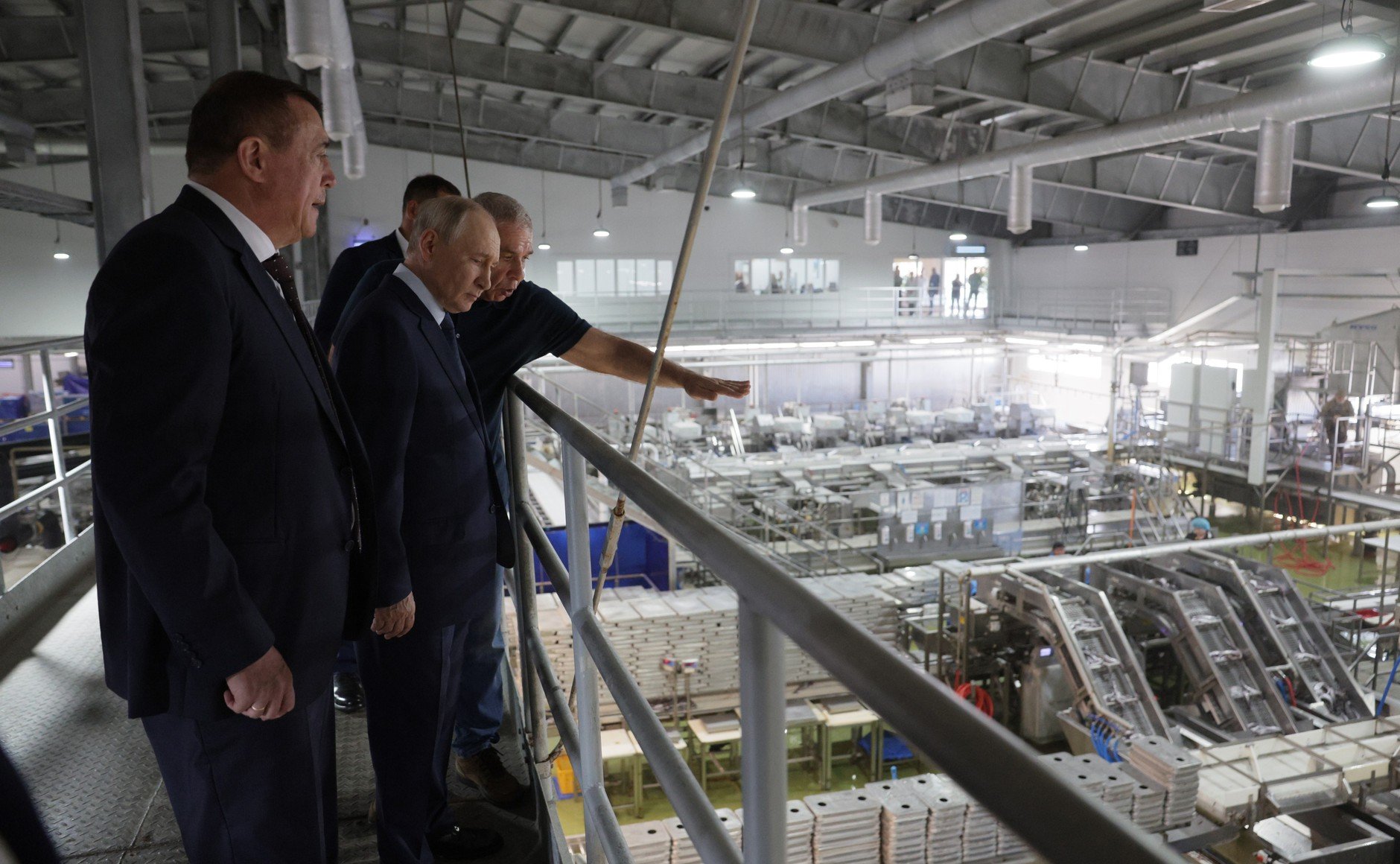
Putin travelled to Iturup, one of the southern Kuril Islands administered by Russia and claimed by Japan as part of its Northern Territories. Kremlin materials recorded both the Iturup visit and a meeting on the security of Russia’s eastern borders, following Pacific Fleet exercises on 11-12 August. Putin visited civilian facilities on the island while the broader trip combined regional administration, economic development and military-security themes. The visit was particularly consequential diplomatically because it was Putin’s first visit to the disputed island chain. Japan lodged a strong protest, with Prime Minister Sanae Takaichi calling the visit unacceptable. Russia rejected Tokyo’s objections and reiterated that the islands are Russian sovereign territory.
RIGRI’s comment: The trip connected three pillars of contemporary Russian identity: territory, victory in the Second World War, and sovereign defiance of external claims. Presidential presence communicates that sovereignty is settled by Russian state power and historical victory rather than by continuing diplomatic contestation. The timing, alongside Pacific exercises and eastern-border security discussions, reinforced that meaning. Clear sign that no compromise with Japan would happen with Putin being around.
13 August 2026: Russian-language competence becomes a standardised integration gateway.

Presidential adviser Yelena Yampolskaya defended plans for a single standardised Russian-language examination for foreign applicants to Russian universities. Foreign candidates already face Russian tests for Russian-medium programmes, but universities currently determine their own form, content and minimum requirements. Yampolskaya said a concept for a unified examination had been prepared and presented the reform as a way of making admission more objective and transparent. Yampolskaya described the type of foreigners Russia seeks to attract: people who can work in Russia, know the language and the social environment and share its values. The policy sits alongside Putin’s target of raising the number of international students at Russian universities to 500,000 by 2030.
RIGRI’s comment: Russian is used simultaneously as an educational standard, a migration filter and a carrier of civic-cultural integration. This makes the proposal more than a technical admissions reform. It aligns with the broader state strategy that treats Russian as the state language, the language of interethnic communication and an instrument of common civic identity. Furthermore, a nationwide test would shift authority away from individual universities towards a centrally standardised admission criterion. There is a tension worth noting: Russia wants more international students, but higher and more uniform language thresholds may reduce access for students from countries where Russian is less widely taught.