
Weekly Digest
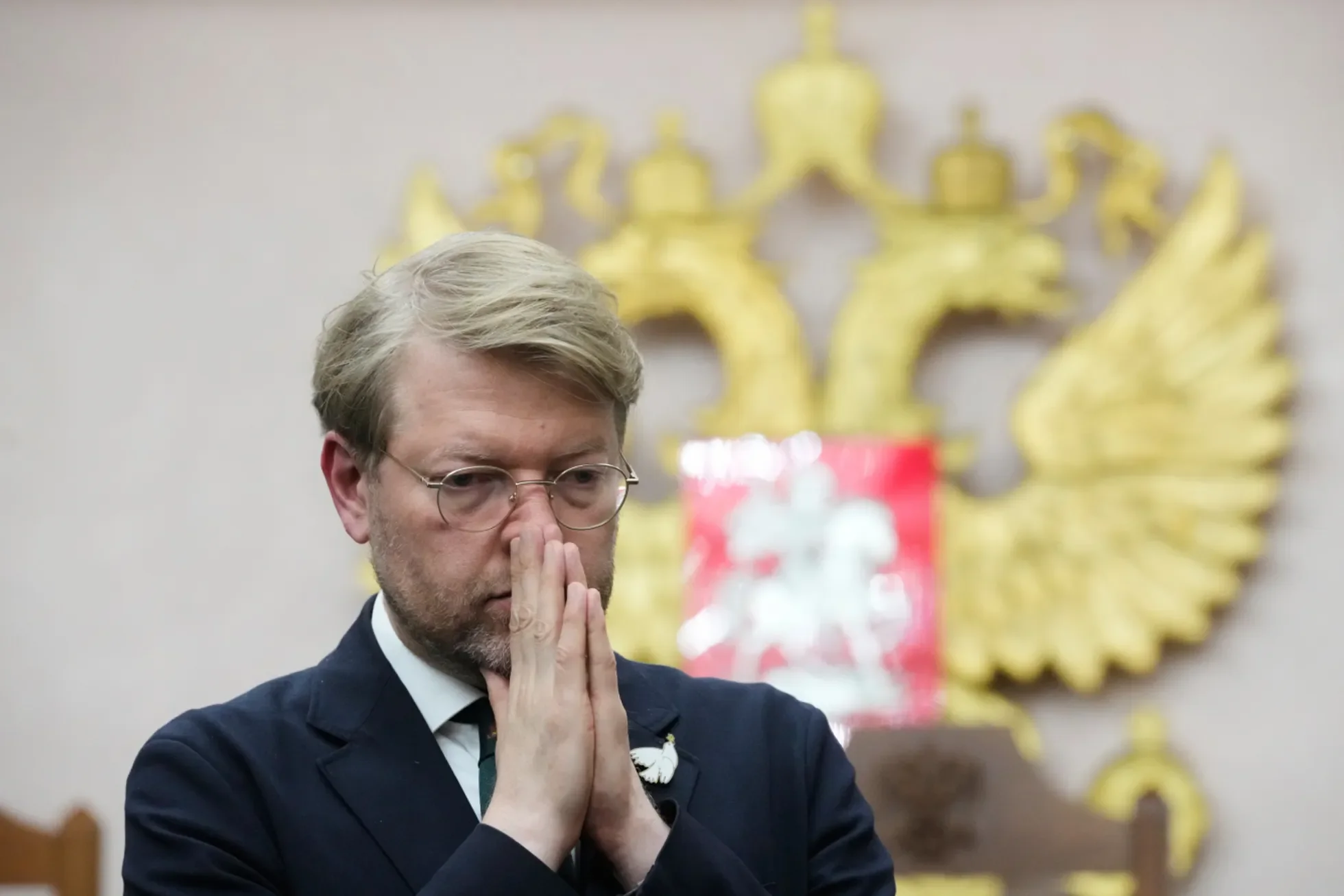
Supreme Court of the Russian Federation granted a lawsuit brought by the nationalist Rodina party and annulled Yabloko’s registration for the September State Duma election; Yabloko said it would appeal, meaning the ruling was not yet final when reported. Rodina alleged numerous violations, including campaign and copyright infringements and support for extremism; Meduza reported that the plaintiff also construed Yabloko’s calls for an immediate ceasefire as effectively opposing the “liberation” of territories Russia claims as its own. The Central Election Commission and prosecutors supported removing the party on some of the alleged electoral-law violations, while hundreds of mostly young supporters gathered outside the court. Yabloko was the only officially registered Russian party entering the election with an explicit antiwar/ceasefire platform.
RIGRI’s comment: The sole anti-war party, Yabloko, was excluded from the elections, reaffirming the fact that fair elections are not possible in the Russian Federation, even to the smallest extent. The decision also reflects the Kremlin’s concern over the war narrative: excluding the only registered anti-war party limits visible evidence of opposition to the war and reinforces a vision of patriotism and national loyalty with no alternative. Control over the narrative leaves no room for compromise, even within a simulation of democracy, no matter how limited it may be. Peaceful protest, even in the form of voting, is not possible under the current system in the Russian Federation.
8th August 2026: Russian Federation formalises a more unified, traditional-values and military-oriented school model
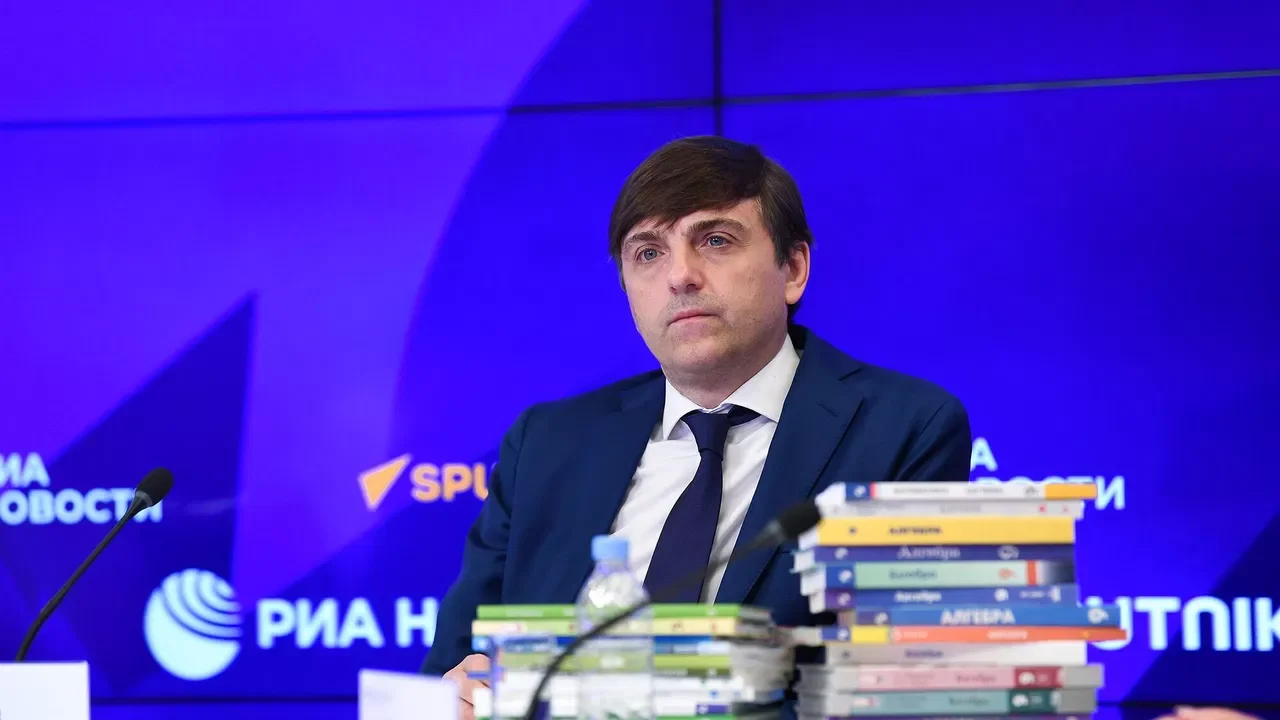
Education Minister Sergei Kravtsov said that changes taking effect from the 2026/27 academic year were designed to strengthen a “unified educational space” throughout Russia. History teaching will use a unified programme with fixed teaching time and a fixed sequence of subjects, while the number of history hours rises and social studies is shifted to grades 9–11. The ministry is also introducing “Spiritual and Moral Culture of Russia”, intended to form a worldview based on what the government calls traditional spiritual and moral values and to cover state, public and cultural figures, scientists, military personnel and “heroes of the SVO”; fifth-graders are scheduled to start the course in January 2027, with grades 6 and 7 following in September 2027. At the same time, the existing security-and-defence subject is being divided into Life Safety and Initial Military Training, while selected schools nationwide will pilot three-level behaviour grades for pupils in grades 2-8.
RIGRI’s comment: The reforms integrate history, moral values, military preparedness and behavioural norms into a unified, state-directed framework that presents Russian civic identity as a combination of civilisational tradition, historical continuity and patriotic obligation. Unified programmes, prescribed sequencing and common courses, alongside the planned expansion of behaviour grading, strengthen federal control over schools and further shape discipline, values and social behaviour.
5 August 2026: Kremlin and CEC frame the State Duma election as wartime civic participation
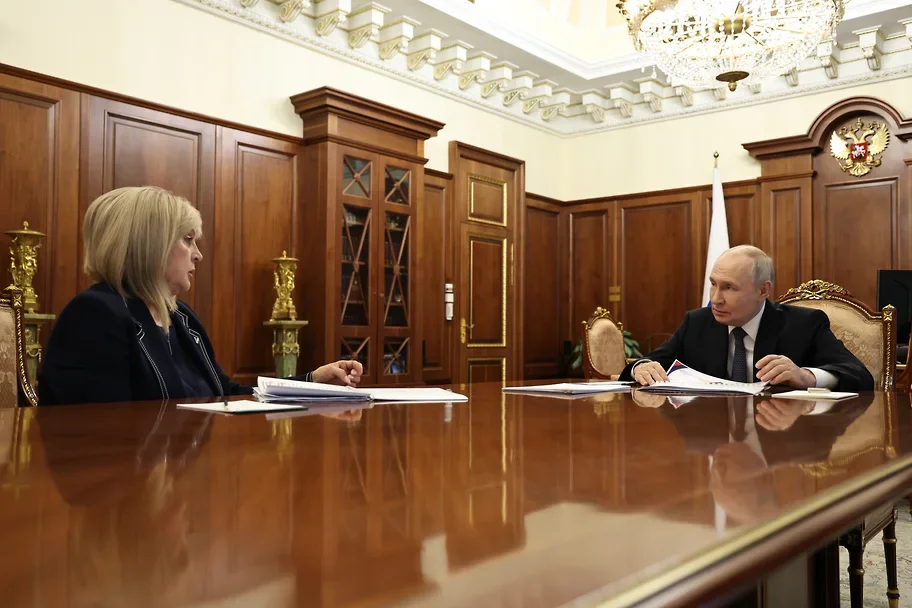
Vladimir Putin met Central Election Commission (CEC) chair Ella Pamfilova to review preparations for the September State Duma election. Pamfilova said the electoral system was ready but that “unprecedented” security measures were being taken; she reported 3,103 registered party candidates, while Russian regional reporting noted that federal party lists included 110 participants in the “special military operation.” Most strikingly, Pamfilova told Putin that casting a vote constituted a contribution to Russia’s victory, and TASS reported her describing such participation as effectively a citizen’s duty under present conditions. Voting is scheduled for 18–20 September, with 20 September formally designated election day.
RIGRI’s comment: The CEC chair’s rhetoric fuses electoral citizenship with wartime patriotism, presenting voting as participation in a collective national struggle, while the presence of war veterans on party lists reinforces military service as a source of political legitimacy. The meeting also shows how election administration is being adapted to wartime security conditions while preserving claims of normal democratic procedure. Voting now means support for the state and the war, and the subsequent removal of Yabloko further solidifies it. In retrospect, that meeting was a signal for that disqualification.
5th August 2026: Cossacks and “Russian Community” Attempted to Disrupt a Commemoration of Victims of Stalinist Repression at Sandarmokh
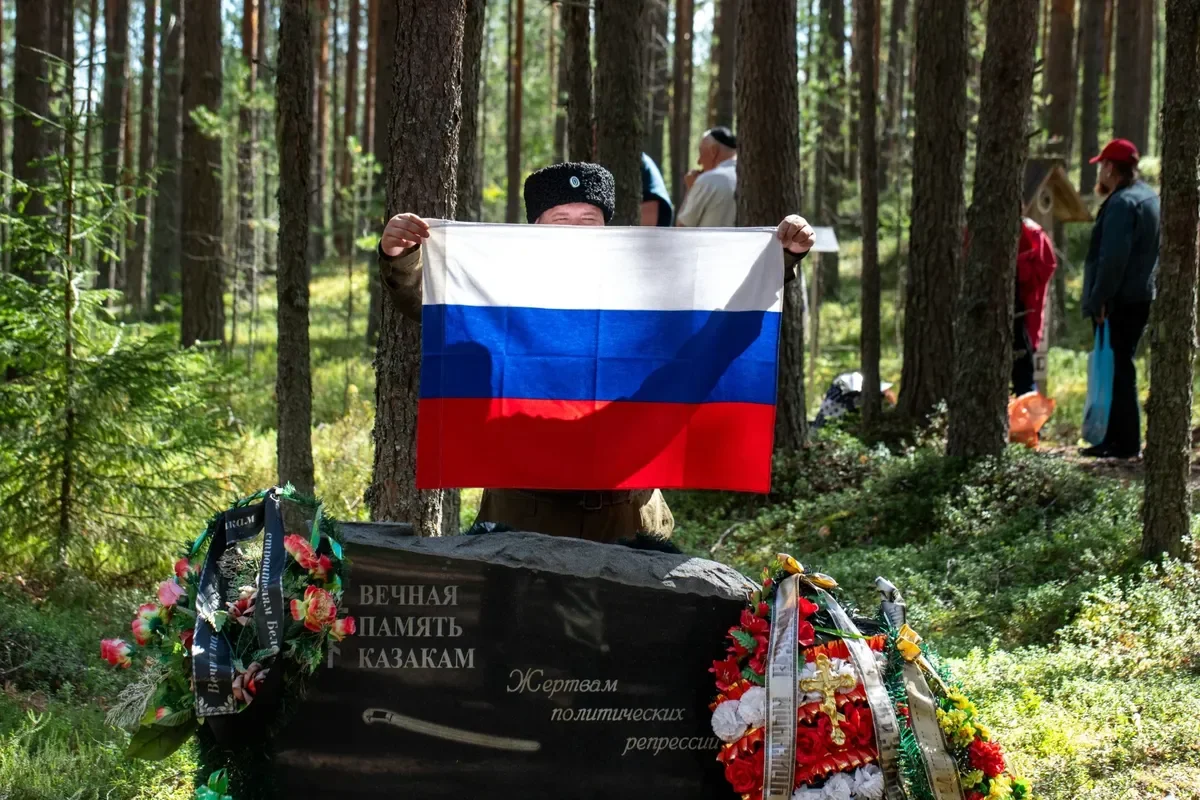
On 5 August 2026, members of the nationalist “Russian Community” and people in Cossack uniforms attempted to disrupt the annual commemoration of Stalinist repression victims at Sandarmokh, surrounding participants with Russian flags, playing wartime songs, and shouting “Glory to Russia” at foreign diplomats. Masked activists followed relatives, historians, opposition politicians and diplomats around the memorial while pro-government television crews questioned why they were commemorating Stalin’s victims rather than Red Army soldiers, effectively trying to redirect the meaning of the event. The intimidation ultimately failed: participants continued reading the names of those executed and laying flowers at Sandarmokh, where more than 5,000 victims of the Great Terror were killed.
RIGRI’s comment:The episode shows how the contemporary Russian Federation uses non-official organisations that are merely state-affiliated to marginalise Soviet state violence. This contradiction is especially striking among pro-state Cossacks: despite the Soviet regime’s brutal De-Cossackization, some now defend the symbols and narratives of the state that persecuted their predecessors, making their Cossack identity appear more like a “mask” for present-day regime nationalism than genuine historical continuity.
Weekly Digest 28.07.2026 – 03.08.2026
3rd August 2026: Boris Nadezhdin left the Russian Federation
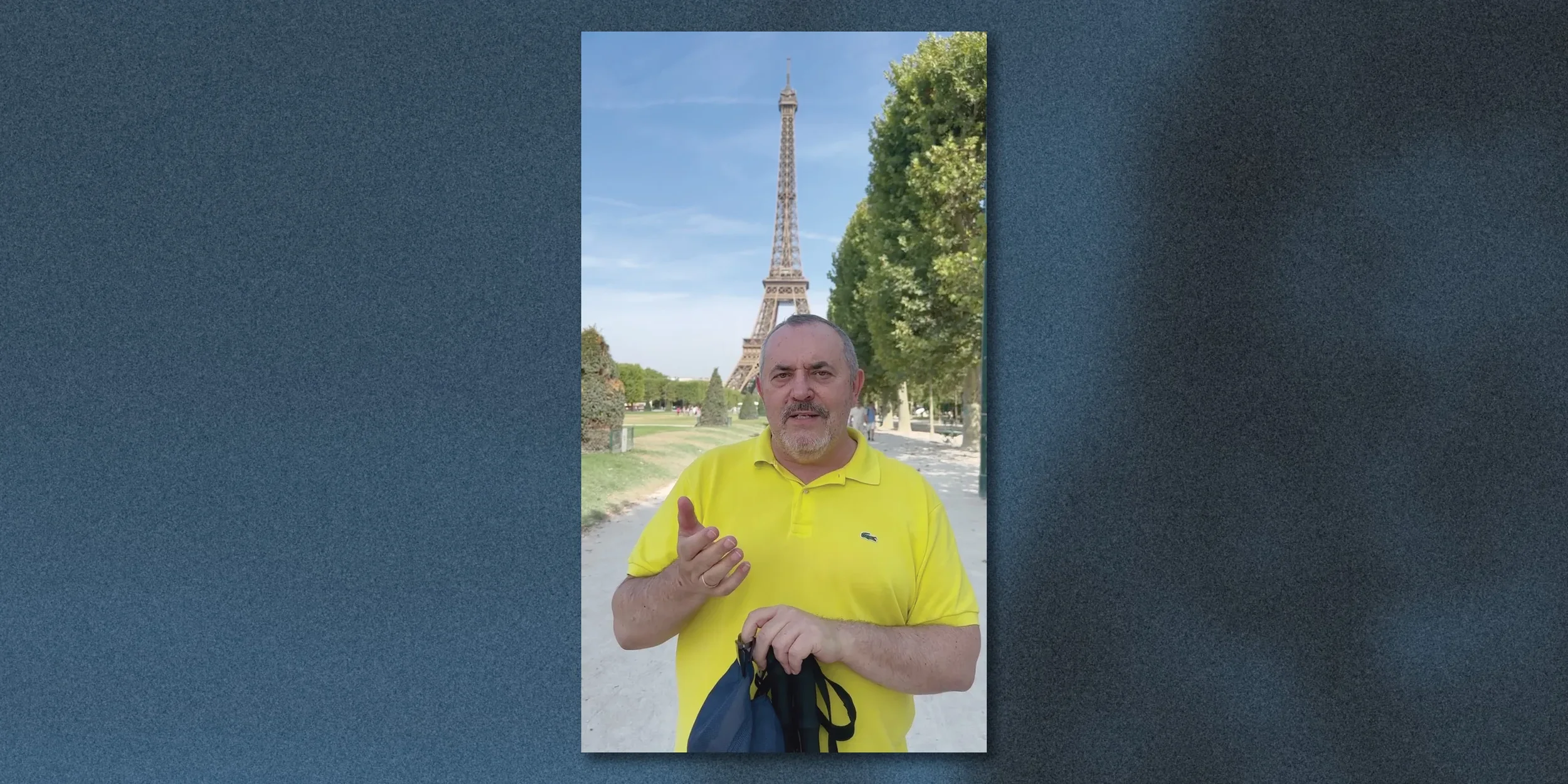
On 3 August 2026, Russian opposition politician Boris Nadezhdin announced that he had left Russia and posted a video from Paris, saying that he was alive and free and would later explain his plans. In July, after announcing plans to run in the 2026 State Duma elections, he was designated a “foreign agent,” briefly detained, barred from leaving Russia, and fined over a video containing a photograph of Alexei Navalny. The fine effectively prevented him from standing in the election, after which he ended his campaign and left the country despite the reported travel restriction.
RIGRI’s comment: Nadezhdin’s departure less than a month after being designated a “foreign agent” illustrates the shrinking space for legal, non-violent political opposition in the Russian Federation. The Kremlin is unwilling to tolerate genuine civil political competition, no matter the size.
3rd August 2026: The federal textbook list incorporated a distinct “Donbas and Novorossiya” regional-history narrative
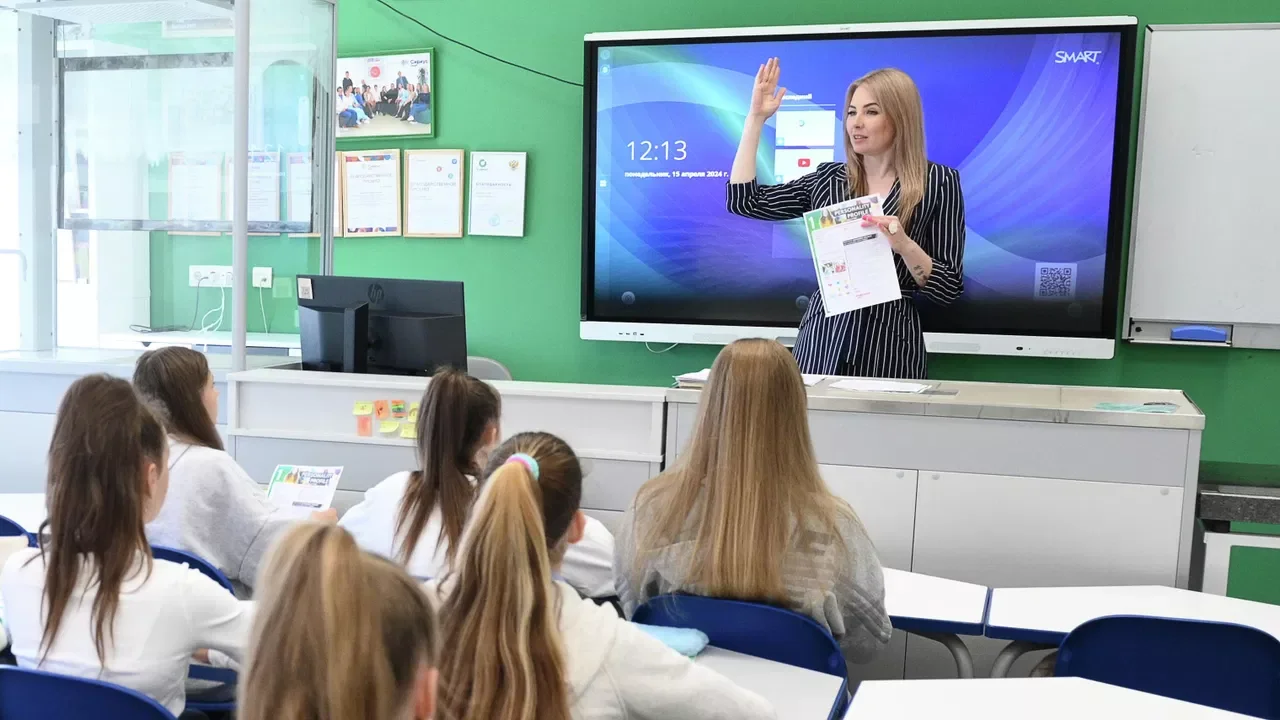
The Education Ministry’s federal list of approved school textbooks includes regional-history materials for 32 regions. Among them are volumes entitled History of Our Region: Donbas and Novorossiya, for grades five and six to seven. Russian state reporting said students in the territories Moscow considers “reunified regions” would begin studying local history from the new books on 1 September.
RIGRI’s comment: The state is beginning to incorporate the annexed regions into school history lessons. Portraying the process as ‘reunification’ is accelerating integration within the Russian Federation, indicating that it intends to retain the new territories and is not seeking to leave room for compromise.
1st August 2026: New consular fees raised the financial threshold for acquiring or relinquishing Russian citizenship abroad
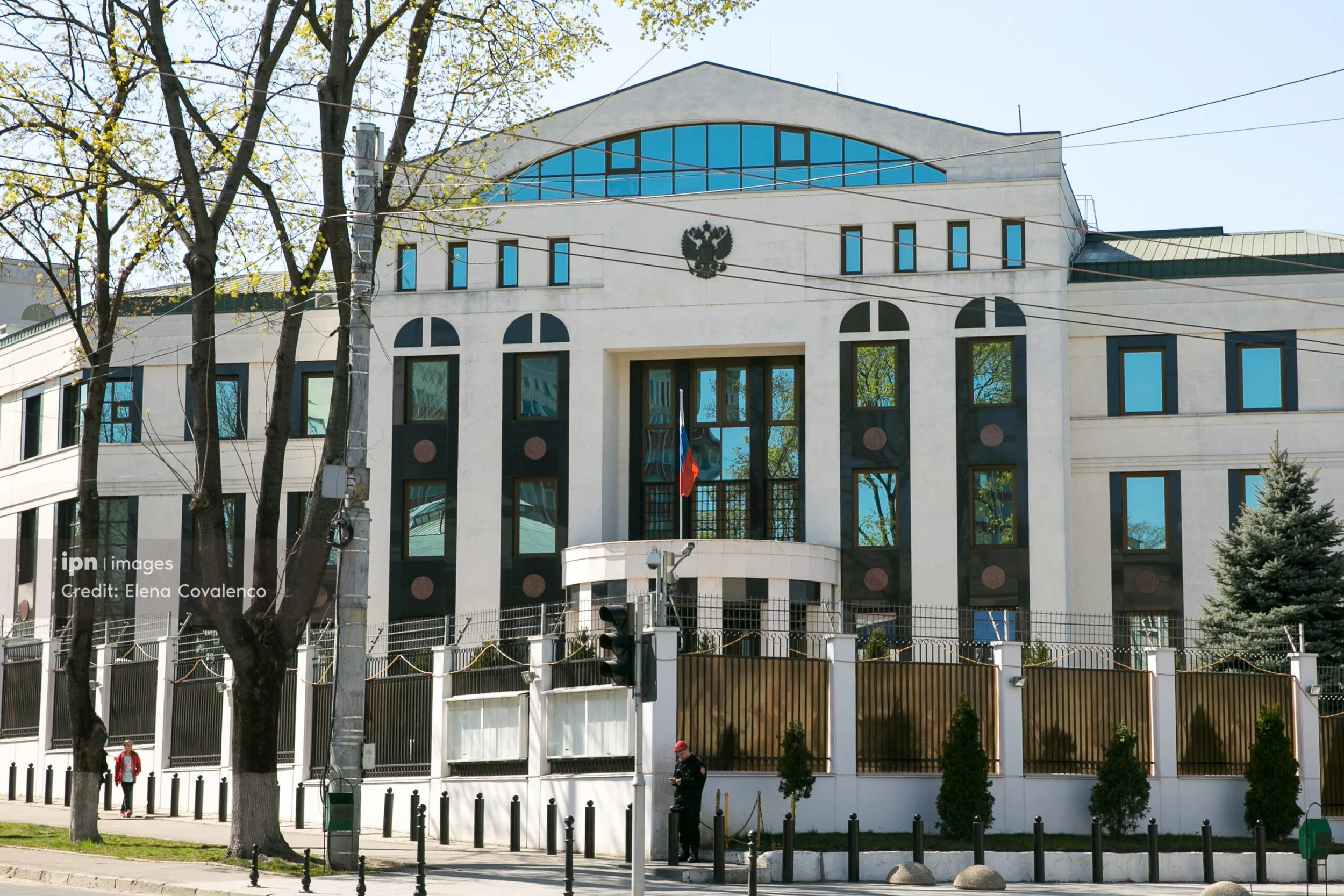
From 1 August, Russian consulates began charging US$600 to process admission to Russian citizenship and US$1,200 to process renunciation. Russian missions published equivalent local-currency tariffs, confirming that the change applies across the overseas consular system. The government also removed a separate fee for determining whether a person possesses Russian citizenship, although the practical treatment of all exceptional or exempt categories was not specified in the reviewed announcements.
RIGRI’s comment: The 10- to 12-fold increase in fees from the previous fee suggests that the Russian Federation is confident that citizenship applications will remain strong, particularly as work visas become less stable. Combined with higher renunciation fees and restrictions on renunciation for those deemed criminal offenders, the Kremlin views citizenship as an anchor for maintaining ties to its people, even when they live abroad.
31st July 2026: On the Road to “Inactivity”
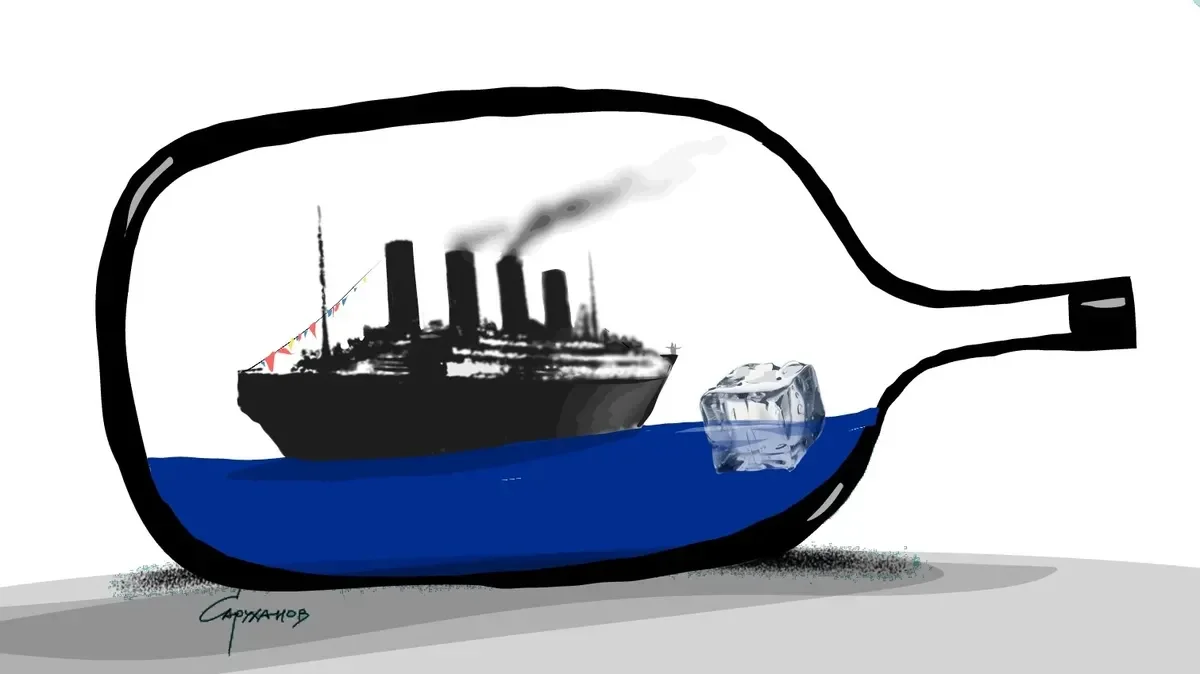
The Kremlin’s description of Russia’s situation as an “ideal crisis” presents wartime consolidation as a source of sovereignty, although public attitudes in 2026 increasingly reflect anxiety, fatigue, irritation and a fragile social consensus. It depicts technological isolation, elite declarations of loyalty and the exclusion of dissenters as elements of an increasingly autarkic and quasi-totalitarian political system. However, many Russians prefer to return to ordinary peaceful life after the war, raising the question of whether the authorities can preserve unity and legitimacy without maintaining a permanent crisis.
RIGRI’s comment: This is what sovereignty means to the Kremlin, an opportunity to strengthen the power grip and promote loyalty to the state as a new societal value. And crisis is the moment to exert sovereignty.
Weekly Digest 21.07.2026 – 27.07.2026
27th July 2026: Police to Raid St Petersburg Shopping Centres in Search of Young Radicals and Members of Informal Groups
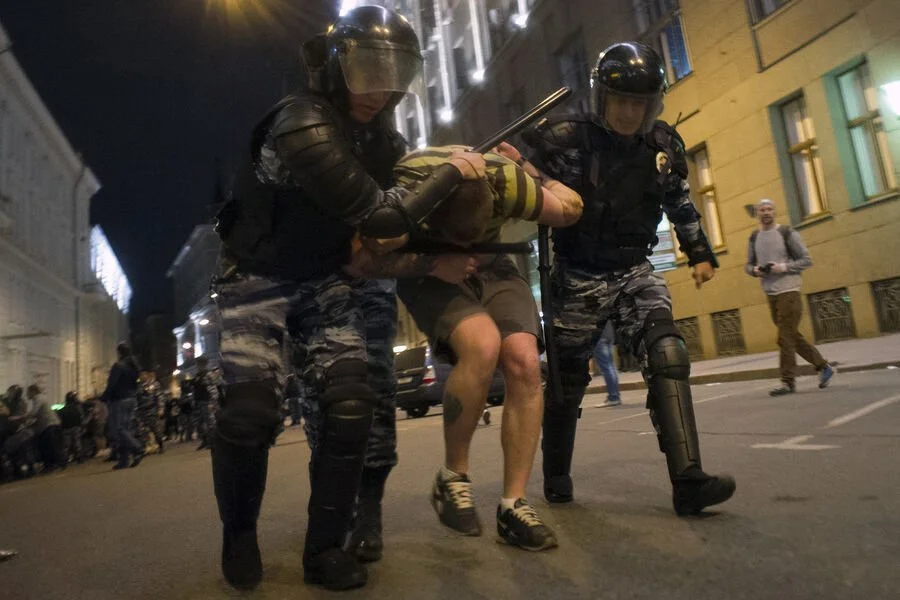
Police and social-service representatives will conduct raids in St Petersburg shopping centres during August and September to identify young people associated with radical or “informal antisocial” groups, partly through distinctive clothing and accessories. The authorities intend to involve those identified in programmes of “deradicalisation and constructive socialisation,” citing a rise in juvenile crime and noting that 18 of the 3,577 minors registered with juvenile-affairs departments identify with informal youth groups. State Duma committee chair Nina Ostanina warned that unconventional appearance is not evidence of danger and argued that prevention should focus instead on behavioural changes, digital activity and individual support without stigmatising youth subcultures.
RIGRI’s comment: A return to the late USSR with its campaign against informal groups. Mere apolitical existence is starting to get treated as disobedience to the state. To give a historical background, it did not work back then, and now there is no ideology in place at the moment.
27th July 2026: The eighth State Duma closed with war-focused rhetoric, and Putin ceremonially received the outgoing deputies
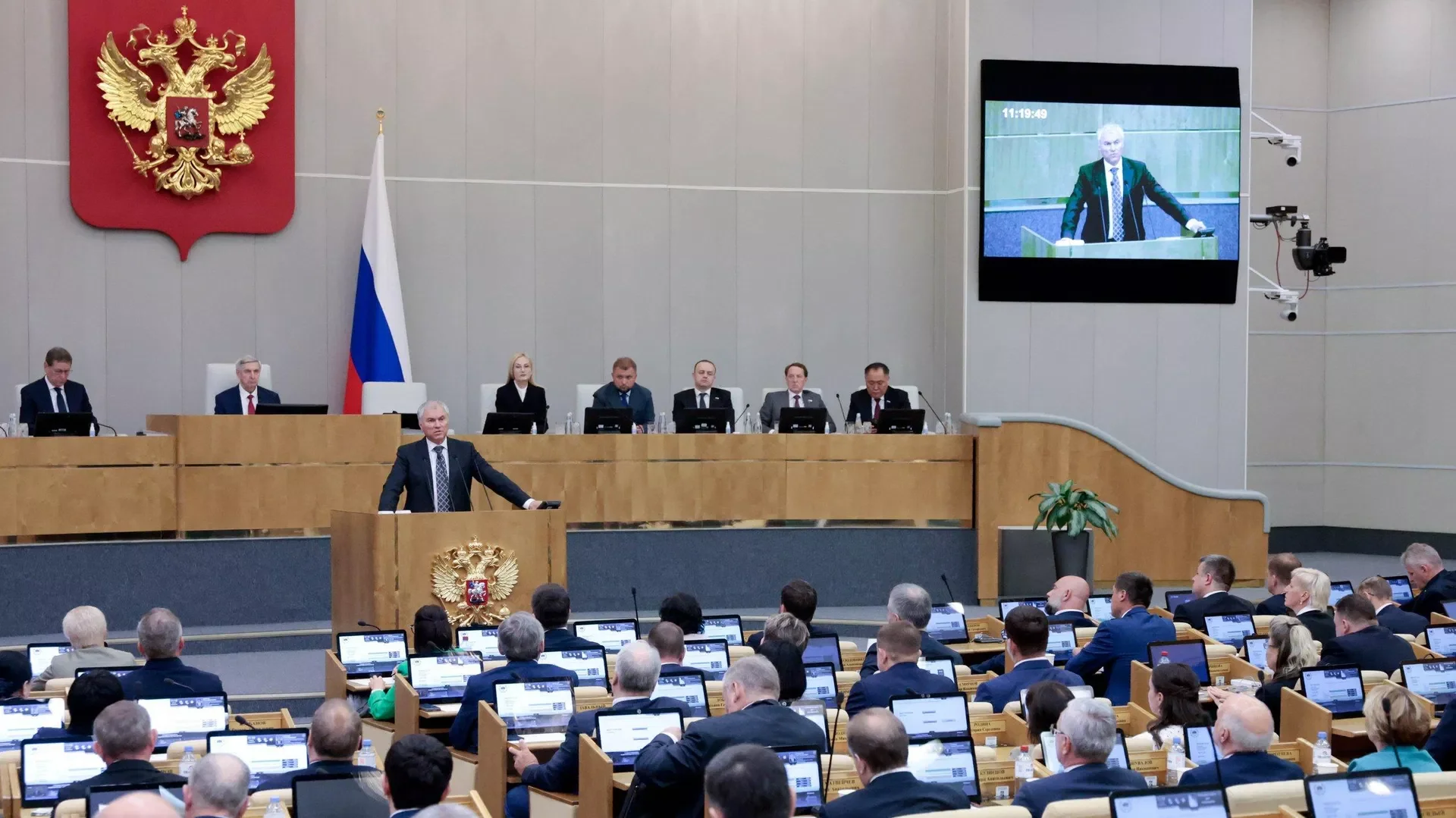
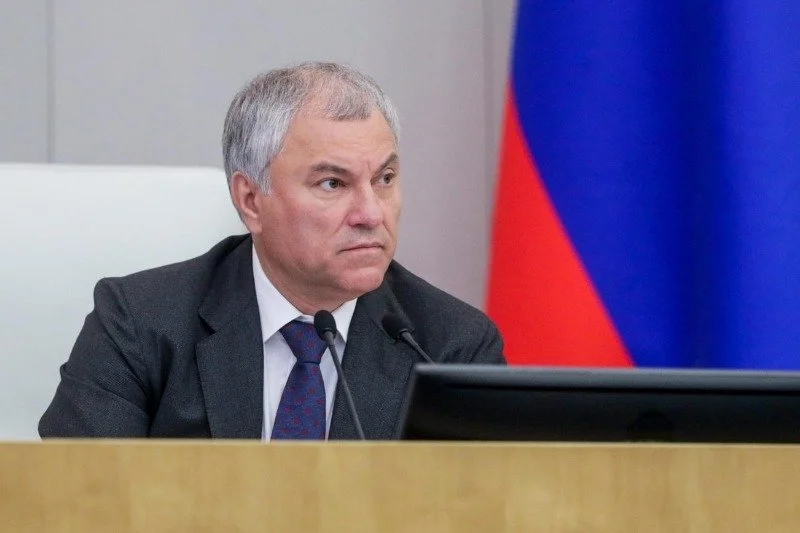
The final sitting of the eighth State Duma made the legislature’s political self-understanding unusually explicit. Meduza reported that Speaker Vyacheslav Volodin described the Duma’s priorities as implementing the president’s instructions, ensuring the “special military operation,” and working through citizens’ agenda, and ended his speech by repeatedly invoking the slogan “Russia! Putin! Victory!”; the chamber did not chant along, but applauded. Later the same day, Putin met the deputies in the Kremlin as their term drew to a close. The Kremlin’s own text framed the meeting around the imminent end of the eighth convocation’s powers, while Meduza noted that elections to the ninth State Duma are scheduled for 18-20 September 2026, giving the event an unmistakable pre-election tone.
RIGRI’s comment: A reminder that parliament in the Russian Federation is less of an autonomous representative institution and rather a disciplined extension of presidential and wartime priorities. Also, Volodin’s slogan can rival his previous slogan of ‘No Putin-No Russia’.
25th July 2026: The Russia–Kazakhstan forum in Omsk presented post-Soviet regional integration as both shared memory and economic strategy
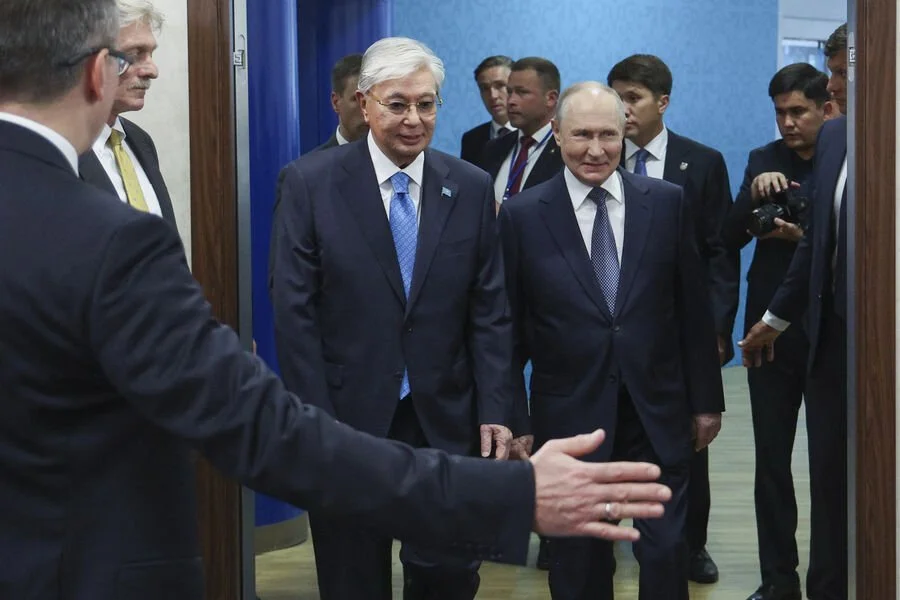
Putin and Tokayev took part in the XXII Forum of Interregional Cooperation between Russia and Kazakhstan in Omsk. The Kremlin described the meeting as a large interregional event focused on creating a global system of interconnected transport, while TASS reported that agreements signed at the forum were worth roughly 65 billion Rubles. The forum’s symbolic messaging was unusually explicit. According to TASS, Tokayev said that Kazakhstan and Russia, “while preserving respect for their common past,” were opening new horizons for a shared future. That formula linked trade, cross-border administration, and logistics to the cultural politics of the post-Soviet space rather than treating them as purely technical concerns.
RIGRI’s comment: A reaffirmation of the Kremlin’s vision of Russia as the central power within a broader Eurasian and Russian-speaking historical space, reinforced by the absence of any attempt to establish an independent Russian-language institution outside Kremlin control and, even more starkly, by the willingness to hand over anyone the Kremlin demands. Furthermore, sanctions pressure and wartime rerouting make transport corridors and regional deals keep minimising the sanctions’ impact.
25th July 2026: From the Time of Troubles to “Foreign Agents”: Justice Ministry Digitises Its Exhibition About Enemies of the State
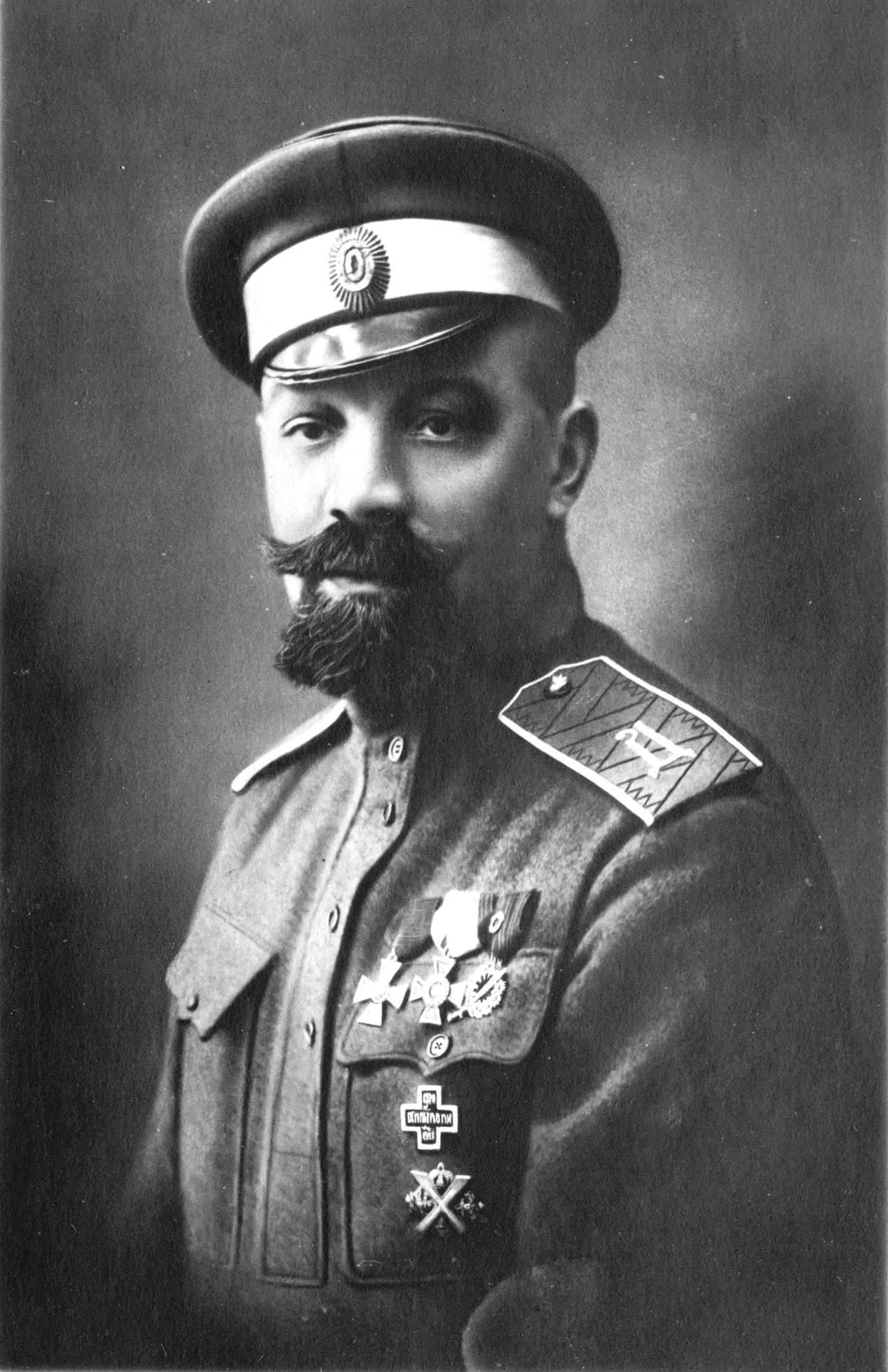
Russia’s Ministry of Justice has launched an online version of its exhibition, Protection of the Sovereignty of the Russian State: History and the Present, covering eight historical periods from the sixteenth century to the present day. Its final section profiles people and organisations designated as “foreign agents,” including journalists, activists, and human-rights defenders, with photographs and descriptions of their allegedly harmful activities. The ministry began staging the exhibition in Russian regions in 2025 as a history of resistance to purported foreign interference, while human-rights defenders regard the “foreign agent” law as an instrument of political pressure and have called for its repeal.
RIGRI’s comment: The Ministry of Justice exposition clearly picks a side of ‘sovereignty/state’ and White movement is an enemy to them. Furthermore, they see the Russian Volunteer Corps as a continuation of anti-Soviet insurgency.
22nd July 2026: The State Duma passed a law restricting consular, property, and digital rights for Russians abroad who are outside the country and convicted in absentia or deemed to be evading punishment.
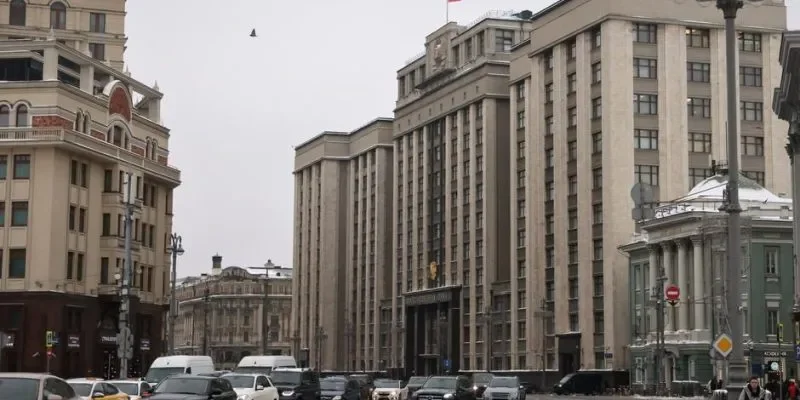
The Duma approved the core law on “temporary restrictive measures” for people outside Russia who are said to be avoiding punishment. Meduza reported that the measure targeted Russians abroad convicted in absentia and blocked access to consular services and the sale of real estate in Russia; the legislative registry confirms the bill’s formal title and movement through parliament. Independent Russian-language coverage made clear that the law’s practical scope was broader than a simple punishment mechanism. Novaya Gazeta Europe reported that the restrictions would reach into passport renewal abroad, property and vehicle registration, multiple state digital services, and in some cases banking functionality, making the law important not only for criminal enforcement but for the everyday status of political emigration.
RIGRI’s comment: Now, political loyalty to the state is a determining factor in whether Russians abroad can still function as full citizens. With such restrictions, affected citizens have to rely on alternative citizenships if they have them, as they are unable to renounce their citizenship of the Russian Federation. Finally, note that all parliamentary parties voted for this proposal, proving that there are factions rather than different parties that serve the president.
21st July 2026: The Duma sharply expanded deportation grounds for foreigners and tightened citizenship and residence rules.
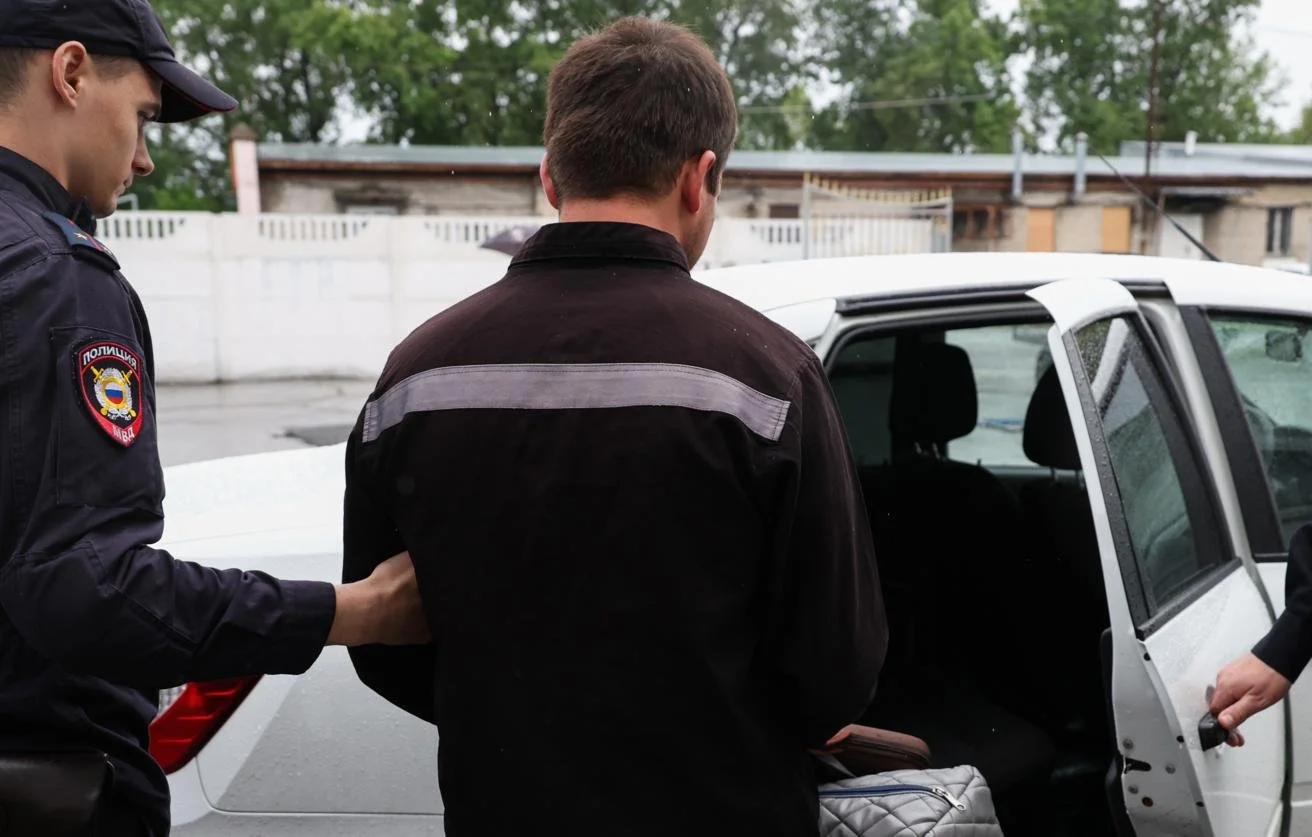
The Duma adopted a package that more than doubled the grounds for expelling foreigners from Russia. Meduza’s Russian-language report listed the new grounds, including participation in unauthorised protests, “discrediting” the Russian army, calls for sanctions, violations linked to emergency or wartime regimes, disobedience to police or border guards, petty hooliganism, and even “discrimination.” The same legislative turn also narrowed access to Russian citizenship and lawful residence. TASS reported that migrants with a criminal record would no longer be allowed to reside in Russia on standard legal grounds, while Meduza noted that criminal convictions committed either in Russia or abroad would also become grounds for denying citizenship, residence permits, or temporary stay, and that certificates of no criminal record would be required from age fourteen for many applicants.
RIGRI’s comment: The state is pushing to define national membership more explicitly through exclusion, screening, and loyalty tests. Migration control moved further away from labour-management logic and closer to a security-policing model of population management, ensuring new potential citizens are as loyalist as possible.
21st July 2026: The Ministry of Education has identified books about the special operation for schoolchildren.

Russia’s Ministry of Education published three lists of literature covering the federal school curriculum, recommended extracurricular reading, and contemporary patriotic works, and distributed them to school libraries throughout the country. A dedicated section titled “Za nashikh” (“For Our Side”) features books about Russia’s war in Ukraine and participants officially presented as heroes of the “special military operation,” including Donbas Is the Heart of Russia, Beyond the Line, and the poetry collection Poetry of the Russian Winter. The broader patriotic selection is divided by pupils’ age and educational level and also includes literature about Russian history, the Second World War, military commanders, explorers, and national achievements. The ministry presents the lists as guidance for schools, teachers, and parents intended to encourage reading, transmit Russia’s literary heritage, and strengthen traditional spiritual and moral values.
RIGRI’s comment: The initiative links the government’s interpretation of the war to Russian national identity by incorporating these ideas into children’s cultural education. Authorities select and distribute a common body of literature that standardises historical memory, patriotic values, and politically acceptable narratives across the Russian Federation. At least it is not a requirement but a suggested reading.
Weekly Digest 14.07.2026 – 20.07.2026
19th July 2026: The fourth monument to Stalin was opened in the Vologda region
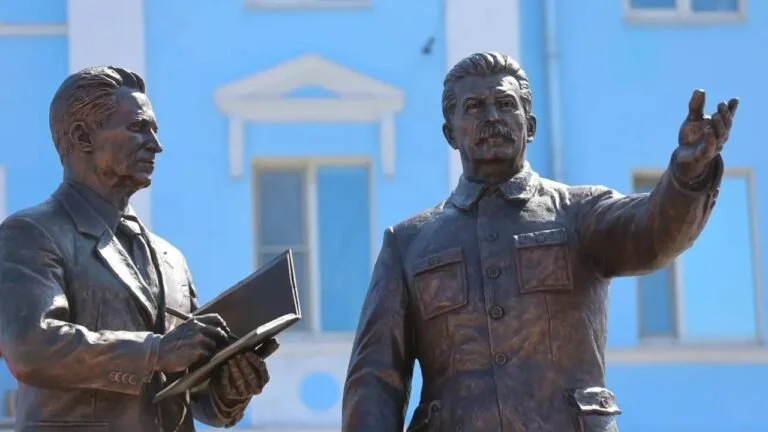
A monument to Joseph Stalin and Soviet metallurgist Ivan Bardin was unveiled in Cherepovets on 19 July 2026, commemorating their roles in establishing the city’s metallurgical industry. Governor Georgy Filimonov described it as restoring “historical justice” and linked industrial achievement to strong national leadership. It is the fourth Stalin monument installed in the Vologda region since 2024. An earlier statue was placed at the Vologda Exile Museum, while busts were subsequently installed in Kaduy and outside a school in Nikolsk. The first statue became the subject of a legal dispute after prosecutors challenged its 10.5-million-ruble procurement contract. A court declared the contract invalid, but the statue remained at the museum under a free-use agreement.
RIGRI’s comment: The monument promotes an identity centred on the Soviet past. It presents Stalin mainly as a modernising figure, while giving less attention to repression and other contested aspects of his rule. What is further notable is that the ceremony had guests from the party of power ‘United Russia’ and pro-Putin ‘Night Wolves’, but no communists. Just as Stalin attempted to present Ivan the Terrible as his predecessor to justify ruling methods, the current government is gradually promoting Stalin now. Furthermore, the prevalence of Soviet leaders over pre-Soviet ones is a reminder that the Russian Federation traces lineage from the USSR instead of claimed ‘historical Russia’.
18th July 2026: "My first impression of Paris was of an open-air museum!" Alexey and Maria Moskalyov have finally received political asylum. They waited long and fruitlessly for a decision from Germany—and now live in France.
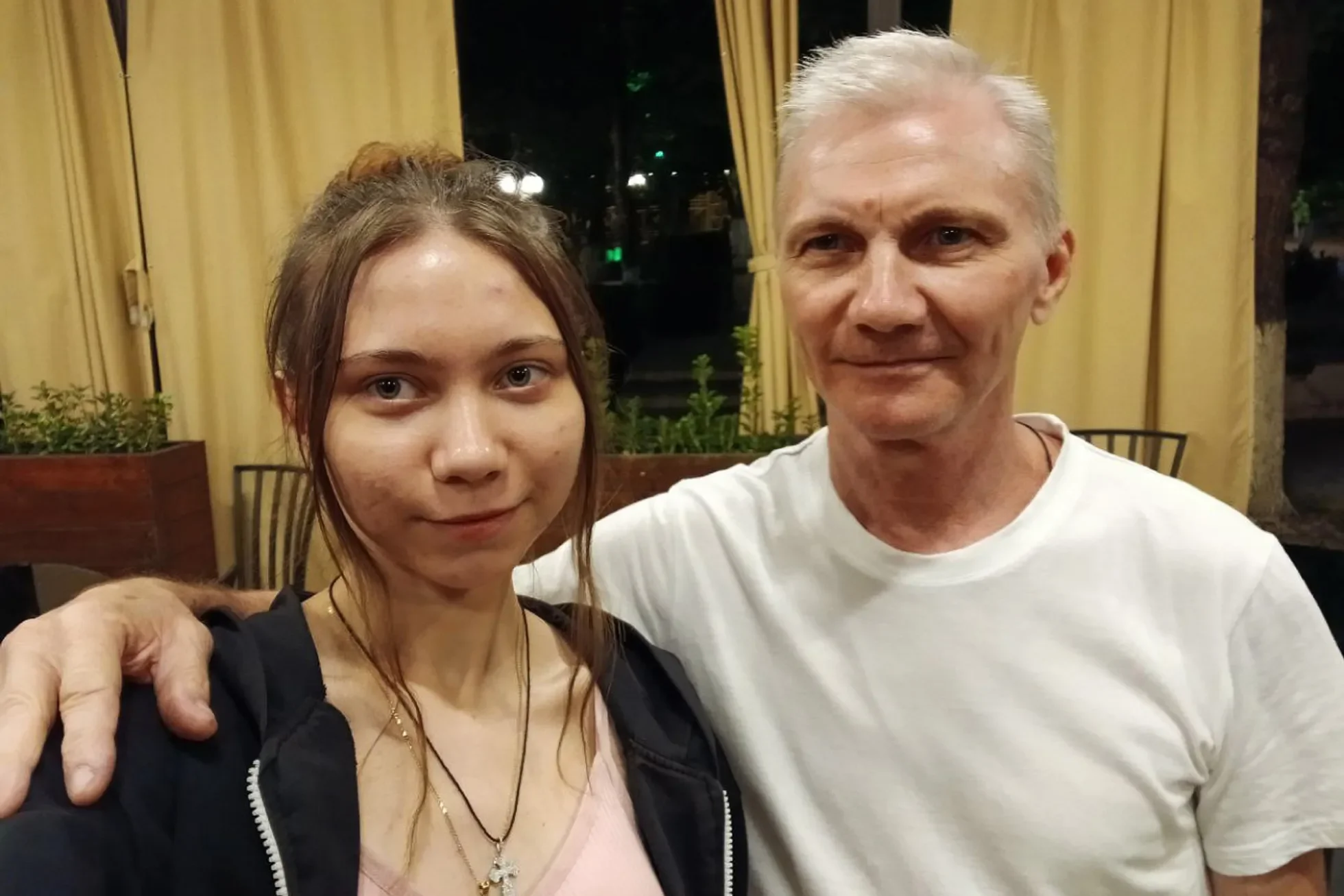
Alexei Moskalev and his daughter Masha have received political asylum in France after leaving Russia and waiting unsuccessfully for more than a year for German humanitarian visas. Moskalev had been imprisoned for “discrediting” the Russian army after Masha drew an anti-war picture at school. Following his release, they reunited and moved first to Armenia, then to France. They now live in temporary accommodation near Paris, while Masha studies French and prepares to enter a lycée, and Moskalev plans to resume political activity once their practical difficulties are resolved. He describes their new life with relief and gratitude, calling Paris an “open-air museum,” though the family still faces financial, linguistic, and resettlement challenges.
RIGRI’s comment: For many, Russian identity is equated with the state of the Russian Federation. Hopefully, the German authorities were not influenced by the fact that Alexei was seen as a criminal in the eyes of the Kremlin law.
17th July 2026: Russian Federation moved to split the school subject OBZR into “Life Safety” and “Initial Military Training”
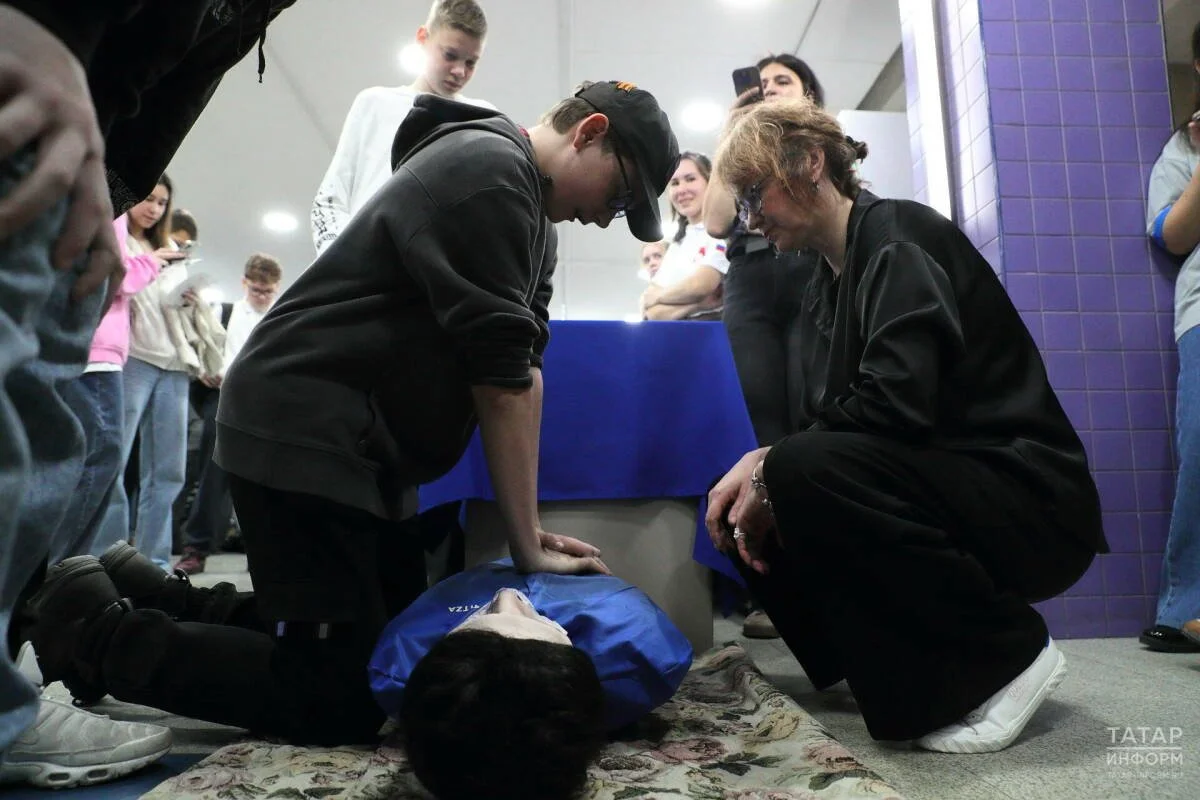
The Ministry of Education prepared a draft order replacing the current modular subject “Fundamentals of Security and the Defence of the Motherland” with two compulsory courses: “Life Safety” and “Initial Military Training.” The reform is intended to take effect from 1 September 2026 for pupils entering eighth and tenth grades. Education Minister Sergey Kravtsov said that the aim was to make the subject more practical, but the reform is politically meaningful because it uncouples everyday emergency competence from overt military preparedness while ensuring both remain mandatory.
RIGRI’s comment: Wartime preparedness is being normalised inside the general school curriculum. An increase in militarisation can indicate that the Kremlin is expecting the war to continue or is preparing for another conflict.
17th July 2026: The Federation Council approved a law tightening migrant income requirements.
The Federation Council approved a law obliging foreign workers in Russia to support themselves and their dependents at a level not lower than the regional subsistence minimum, adjusted by a regional coefficient. The report also said the law tightened the rules for migrants’ stay in the Russian Federation and strengthened income-control mechanisms tied to patent renewal and labour status. The same package means that tax and social-fund data can be used to monitor whether a migrant’s earnings remain above the required threshold; if they do not, labour status and time allowed in the country can be affected.
RIGRI’s comment: Further restrictions on migrant workers that begin to approach UAE’s conditional work visas. However, unlike UAE, there is an option to mitigate restrictions through naturalisation, reducing population decrease.
16th–17th July 2026: “Tsar’s Days” in Yekaterinburg drew up to 44,000 pilgrims.
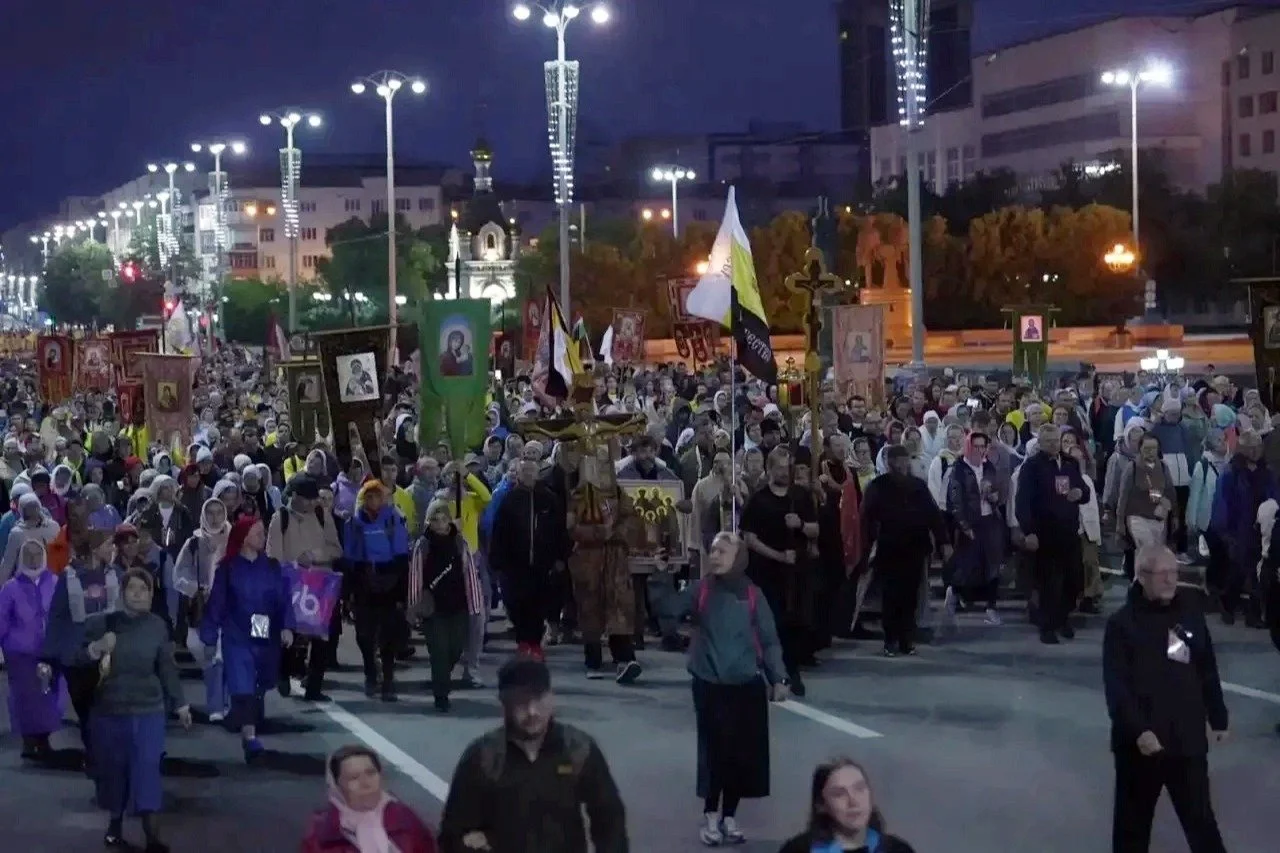
The main services of the annual “Tsar’s Days” commemorations in Yekaterinburg - centred on the memory of the imperial family killed in 1918 — took place on 16–17 July and drew up to 44,000 pilgrims. The events included a night liturgy at the Church on the Blood and a large procession to Ganina Yama, a site central to post-Soviet royal-family memory politics. This was not just a religious gathering. The Orthodox coverage framed the commemorations as part of preserving the “spiritual feat of the Holy Royal Family” and as a broader program of historical enlightenment tied to the pre-revolutionary monarchy, martyrdom, and the suffering of the church under Bolshevism.
RIGRI’s comment: Part of Russian identity remains in the pre-Soviet history. The violent death of former Tsar Nicholas II alongside his family and servants (a fact that many ignore) makes historical continuity in Russia self-contradicting, which is why this commemoration is not an official one, no matter how close the Russian Orthodox Church is to the state. In the end, the Kremlin tends to choose one side over the other. Even when praising pre-Soviet leaders, Soviet leaders are praised more.
Weekly Digest 07.07.2026 – 13.07.2026
13th July 2026: Boris Nadezhdin is detained days after being declared a foreign agent.
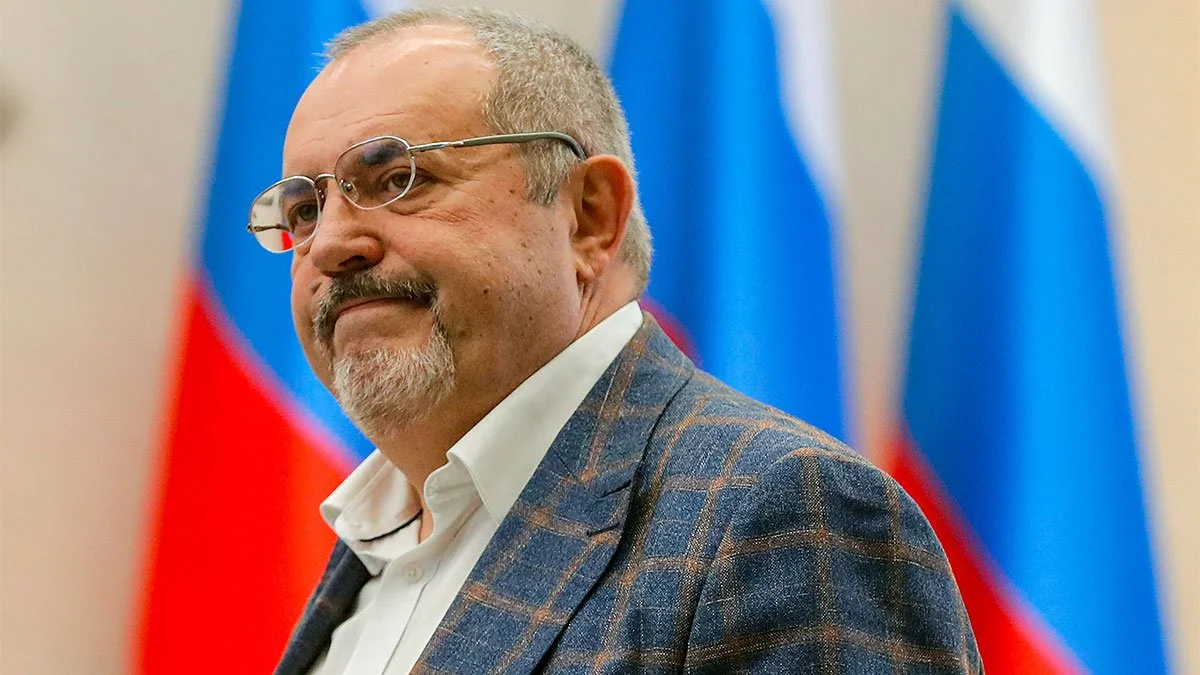
The Justice Ministry designated Boris Nadezhdin a “foreign agent” on 10th July, and by 13th July police had detained him over alleged display of “extremist symbols” because of imagery connected to Alexei Navalny. Interfax said the foreign-agent designation was official, while Mediazona and Meduza reported the detention and the administrative case. Nadezhdin was later released pending a court appearance, but the sequence mattered more than the brief duration of custody. A politician who had tried to run against Putin in 2024 was first formally stigmatised through the foreign-agent registry and then rapidly exposed to an extremism-related administrative case, which was a photo of Navalny.
RIGRI’s comment: The narrowing of what counts as permissible participation in Russian politics just as the State Duma campaign is opening. The state is giving the clearest sign that official political participation in Russia is allowed only for those the Kremlin deems reliable. What is the other option left?
9th July 2026: Kremlin orders a compulsory “Russian as a state language” course and reinforces the ideological university core.

Vladimir Putin approved a new set of instructions after the presidential council on support for the Russian language and the languages of Russia’s peoples. The most consequential point was the order to insert “Russian language as the state language” into the updated federal higher-education standard. Kremlin-linked reporting and subsequent coverage made clear that the discipline is meant to sit inside the socio-humanitarian “fundamental core” of the new university model. The move was presented not as a narrow philological reform but as part of a broader restructuring of higher education. Kommersant reported that the same common core will also include history, philosophy, and “Foundations of Russian Statehood,” while Meduza, citing TASS, noted that these subjects are to become mandatory for all students nationwide. Kommersant added that 17 universities are already piloting the new system, and that the new course is expected to reach some universities from the 2027/28 academic year before wider rollout.
RIGRI’s comment: The state of the Russian Federation is trying to make civic identity administratively compulsory. Could that be the first step in reintroducing an ideological state foundation, associating the Russian language with the state of the Russian Federation, as if no other country can practise it without asking the Kremlin?
9th July 2026: State history textbooks are revised toward retroactively implementing a multinational state in the Russian Tsardom.
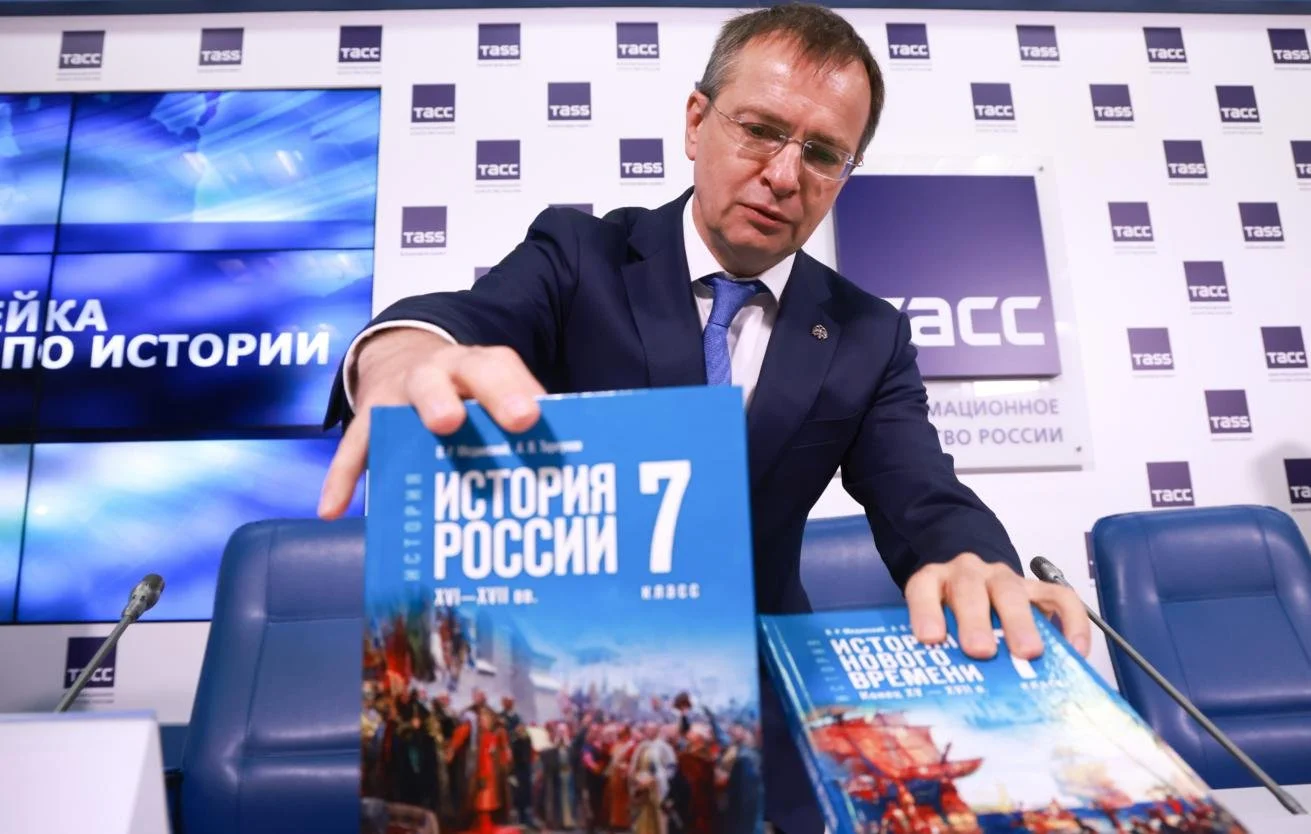
The newest edition of Russia’s unified school history textbooks altered formulations that shape the moral framing of statehood and empire. Among the most visible changes, the ruler ceased to be an “opener and protector” and became a “protector of his land and Orthodoxy,” while the old statement that all secular estates were effectively the tsar’s “slaves” disappeared in favour of a social classification into service and tax-paying estates. Other changes matter just as much. Certain assessments of the events of the 16th-17th centuries were adjusted, in particular, the wording about the beginning of the reign of Ivan IV was changed. At the beginning of Ivan IV the Terrible's reign, the old version stated: "faith in the sovereign as guardian and protector has strengthened." The new version has a different formulation: "faith in the tsar as protector of his land and Orthodoxy has increased." RBC also said phrasing on the Volga changed from conquering the rich region to establishing influence there, and that Rus was reframed from having “always been multinational” to being “originally built” as a multinational country.
RIGRI’s comment: Russian civic identity is being actively rewritten not only through new laws but through school historical language. It is an attempt to retroactively pretend that the current framework was always historically present, similar to how Stalin briefly attempted to present Ivan the Terrible as a moderniser and a moderate.
8th July 2026: Duma tightens migration rules, including the status of migrants’ adult children.
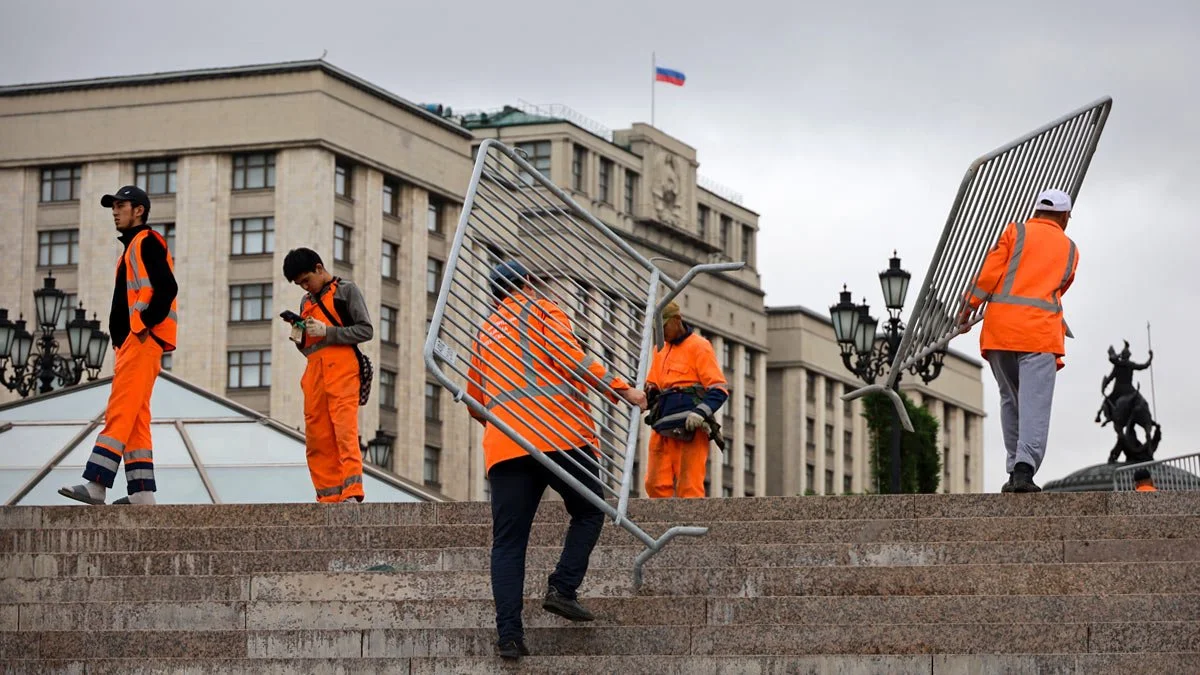
The State Duma adopted a package of migration measures that marked the week’s clearest identity-governance intervention outside education. Interfax reported that migrant workers will now have to support themselves and their dependent family members in Russia at no less than the regional subsistence minimum, while adult children must either leave within 30 days of turning 18 or apply for their own labour patent. The law also ties fixed advance income-tax payments to both the worker and each dependent minor child. A parallel measure transferred part of migration-management authority from the Labour Ministry to the Interior Ministry, including the power to approve the list of skilled foreign professionals eligible for simplified residence rights. Interfax noted that the previously broader profession list had already been sharply reduced to 29 specialities, and quoted Vyacheslav Volodin as saying the change would strengthen state control and help “restore order” in the migration sphere. Meduza’s summary emphasised the same political line: adult children of foreign workers must regularise their own status or depart.
RIGRI’s comment: These measures further encourage migrants to commit to integration and pursue citizenship rather than a temporary work residence. When the alternative to naturalisation is expulsion, more migrants’ families will be arriving with an intention of eventually obtaining citizenship of the Russian Federation.
8th July 2026: Russia passes a framework AI law built around sovereignty and “traditional values”.
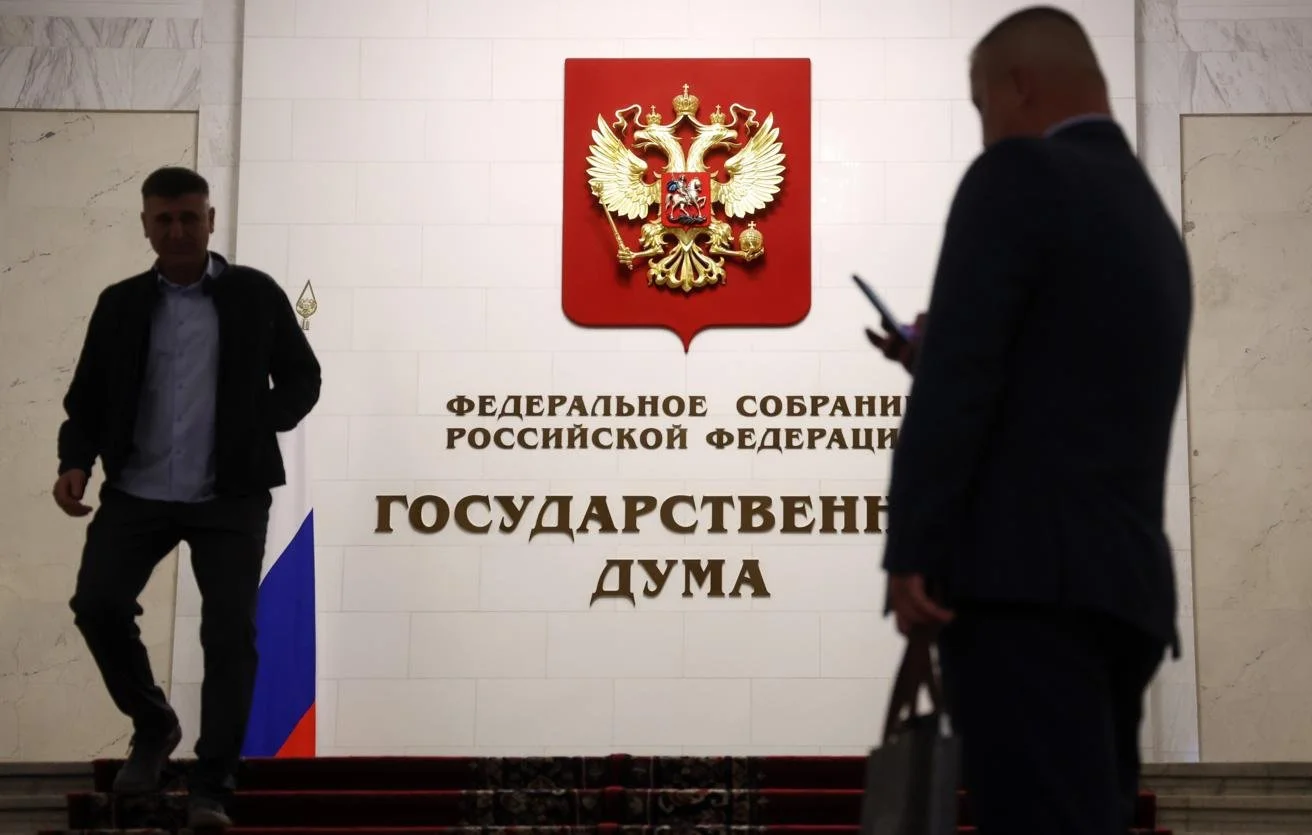
The State Duma passed a framework law on AI support and regulation that introduced formal categories for “sovereign” and “national” large foundational models. TASS said the law’s principles include technological independence, protection of rights and freedoms, and adherence to Russian law and traditional spiritual and moral values. Interfax added that the law distributes powers across the president, government, state bodies, state corporations, and the Central Bank. The law also opened a significant avenue for training models on copyrighted material. TASS and Meduza reported that developers may use copyrighted works to train neural networks if those materials are openly accessible, while rightsholders are promised technical means of protection and users are supposed to receive clearer information about AI-generated content. Meduza’s report stressed that the bill moved through the Duma in two days and explicitly linked the categories of AI systems to the state’s broader sovereignty agenda. Both model categories must comply with Russian law and traditional moral values.
RIGRI’s comment: AI is no longer framed only as an economic or innovation issue; it is a foundation of a new governance model that can be made perfectly aligned with what the state wants: sovereignty and national values. But since the system would require an addition of ideology that hasn’t been developed, how much do the initial conditions matter?
7th July 2026: The IOC has lifted the ban on athletes from the Russian Federation participating in international competitions.
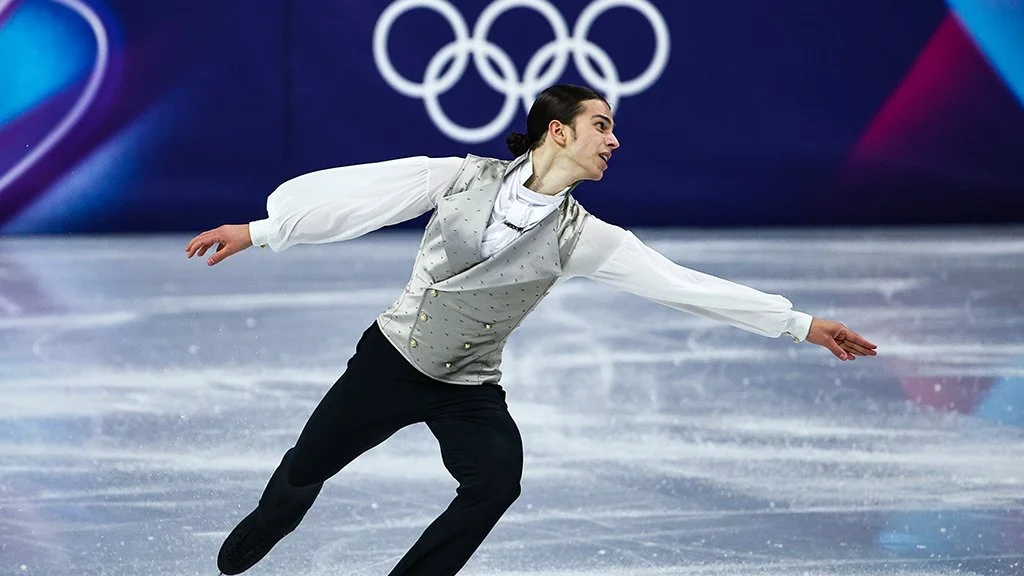
The IOC provisionally reinstated the Russian Olympic Committee. It withdrew its general restrictions on Russian athletes after the committee removed regional sports organisations from Ukrainian territories that fall under Ukraine’s National Olympic Committee. This change addressed the specific breach of the Olympic Charter that had caused the Russian committee’s suspension in October 2023. Russian athletes may therefore return without the IOC-mandated neutral status, although individual federations will decide on flags and anthems, and enhanced anti-doping requirements remain.
RIGRI’s comment: A culmination of recent reintegration, IOC marks a return of the Russian Federation to worldwide recognition before the war has ended. And all they had to do was not to include athletes from disputed territories. Doping remains a major issue for the membership. Politics won over sport, and it is too late for an alternative.
Weekly Digest 30.06.2026 – 06.07.2026
6 July 2026: Start of July legal package tightens digital sovereignty and migrant controls
Official explainers around the start of July highlighted a package of legal changes that tightened both digital sovereignty and migration administration. State Duma materials described the emergence of a digital profile for migrants from 30 June and pointed to broader July changes, while RBC reported that from 6 July Russian websites and apps could be fined for letting users log in through foreign services such as Apple ID or Google ID. Trade and legal explainers also emphasized the continuing shift toward RuID-style digital pre-entry procedures and biometric governance for visa-free foreign entrants.
RIGRI’s comment:
The Kremlin is increasingly expanding control over the digital sphere. Those measures expand the state’s capacity to monitor mobility, regulate who may enter the country and under what conditions, and discipline Russian internet infrastructure into greater dependence on domestic systems.
5 July 2026: Altargana-2026 in Buryatia showcases federally backed multiethnic identity
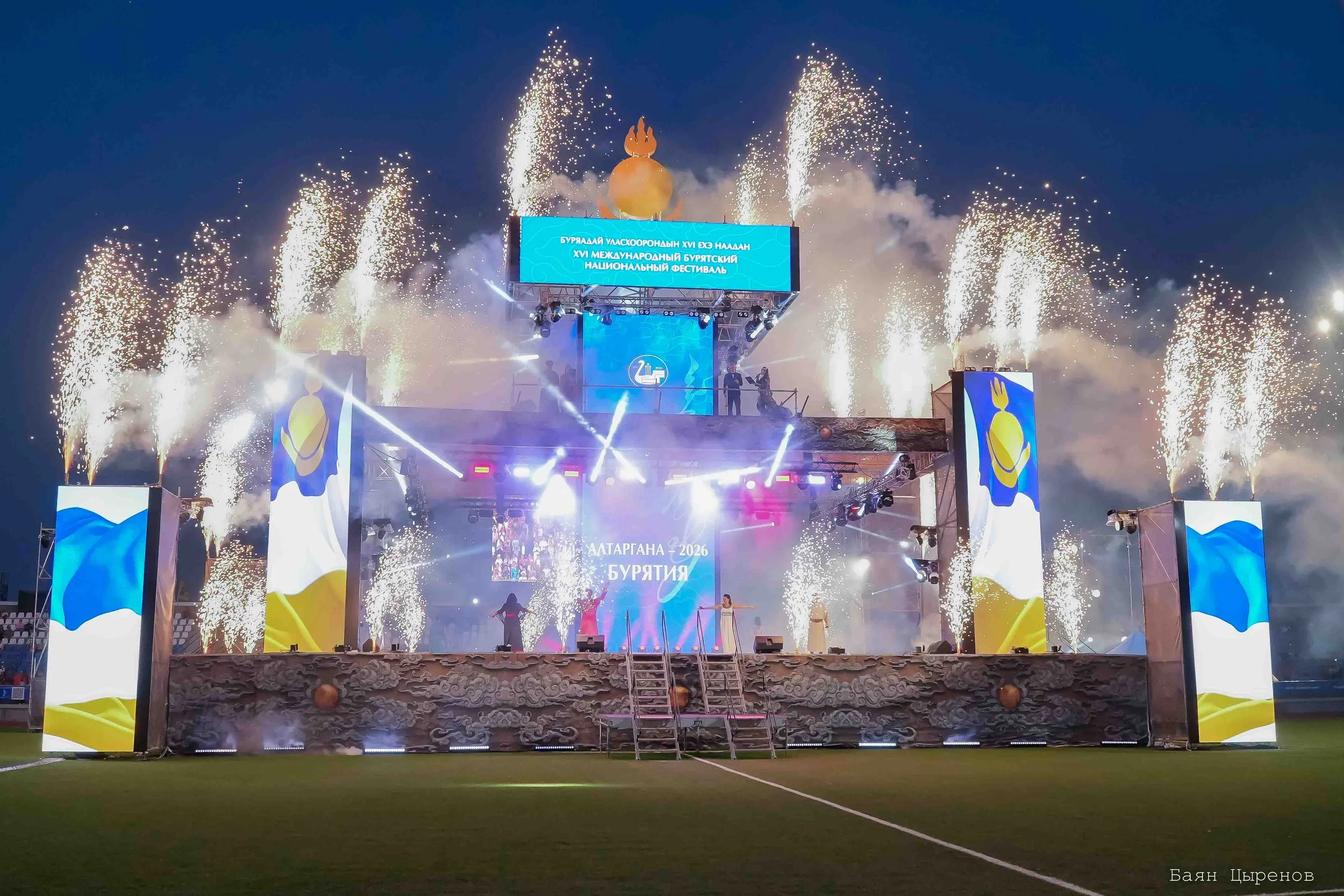
The sixteenth International Buryat National Festival, Altargana-2026, ran in Buryatia from 1 to 5 July, with federal and regional authorities presenting it as a major event of cultural diplomacy and interethnic unity. Prime Minister Mikhail Mishustin issued a video address to participants, while Buryatia’s official reporting emphasized the scale of the festival, its international participation from Russia, Mongolia, and China, and the symbolic framing of the event as a festival of friendship and tradition. Regional reports after the close described record participation and a large competitive and cultural program.
RIGRI’s comment: Altargana mattered because it showed how the federal centre is trying to present Russia’s multinational composition not as a source of tension but as a managed source of strength in the officially declared Year of the Unity of the Peoples of Russia. The state’s message was that ethnic distinctiveness can be celebrated, but only within a broader all-Russian framework supervised and endorsed by Moscow.
3 July 2026: Putin orders celebrations for the 100th anniversary of DOSAAF
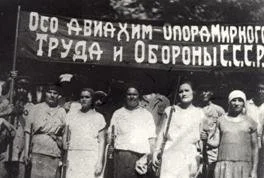
Putin signed a decree ordering state-organized events in 2026–2027 for the centenary of DOSAAF, the “Voluntary Society for Assistance to the Army, Aviation and Navy.” TASS reported that the Defence Ministry was instructed to form an organizing committee within two months, while the Kremlin’s announcement framed the step as a state commemoration of a long-standing patriotic-defence institution.
RIGRI’s comment: DOSAAF sits at the intersection of Soviet legacy, combining patriotic education, pre-conscription training, and wartime civic mobilization. The decree showed the Kremlin continuing to rehabilitate and institutionalise Soviet militarized civic culture as a part of national life.
2 July 2026: Re-rehabilitation. Authorities of the Russian Federation are massively reversing rehabilitation decisions made in the 1990s. Why?
Since mid-2022, prosecutors of the Russian Federation have reviewed more than 14,000 Soviet-era cases and revoked the rehabilitation of over 4,000 people previously recognised as victims of political repression. The authorities present the campaign as correcting mistaken rehabilitations of Nazi collaborators and war criminals, but historians warn that its secrecy and political framing may also affect people convicted on fabricated or purely political charges. The article highlights the continued rehabilitation of Soviet intelligence officer Pavel Sudoplatov, despite evidence of his involvement in extrajudicial killings, as an example of the Russian Federation’s selective and politically driven approach to historical justice.
RIGRI’s comment: The article shows how Russian civic identity is framed around loyalty to the state, with dissent treated as betrayal and state violence judged more leniently than disloyalty. By linking these ideas to the memory of the Soviet Union and Second World War in particular, the government uses history to legitimise authoritarian rule and portray opponents as traitors. Violence committed on behalf of the state may be excused, while disloyalty towards the state is unforgivable.
Weekly Digest 23.06.2026 – 29.06.2026
26th June 2026: Weightlifters from the Russian Federation have been allowed to compete in international tournaments under the official flag.
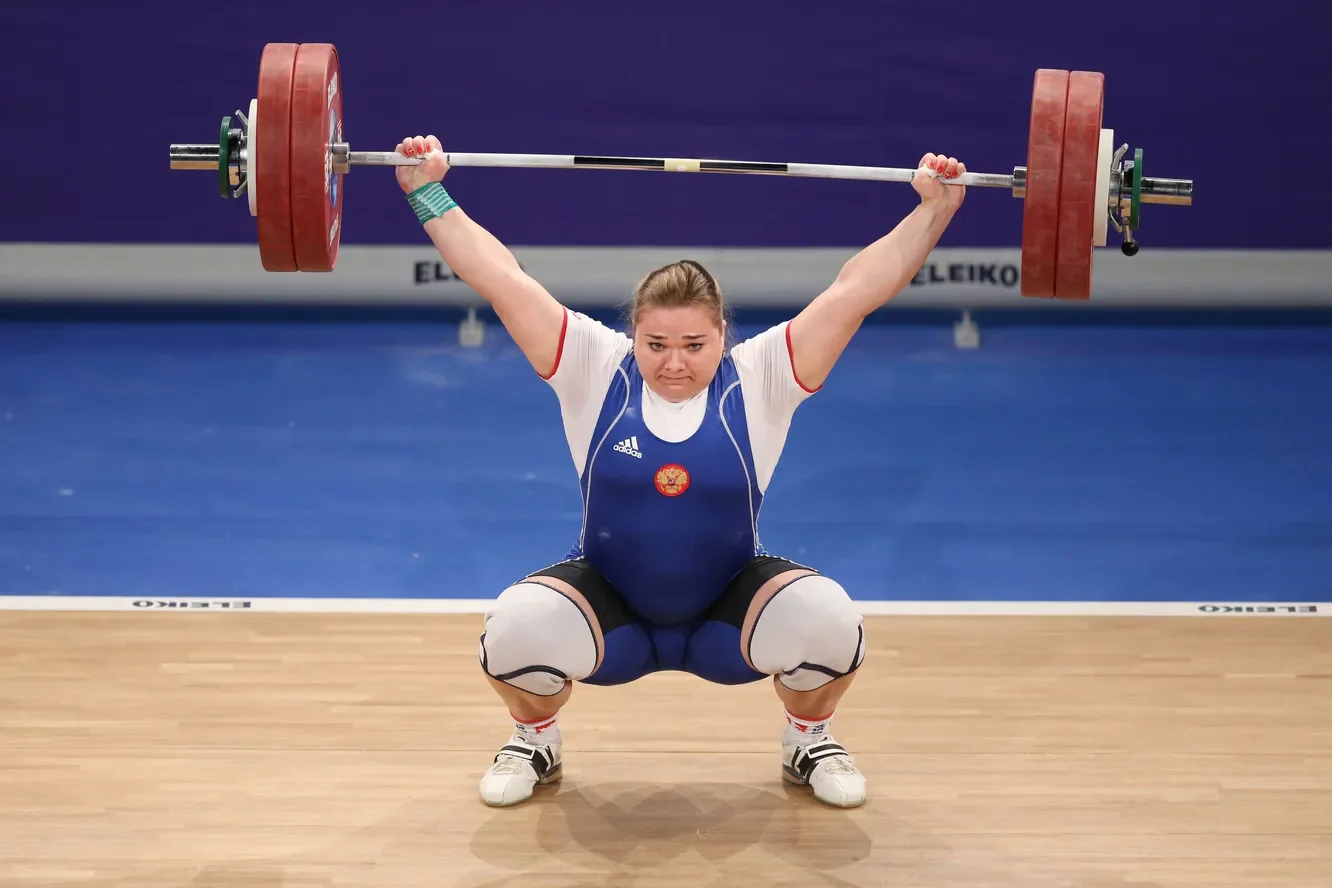
On 26 June 2026, the International Weightlifting Federation made Russian and Belarusian athletes of all ages eligible for its competitions, allowing them to compete with their national flags and anthems. Previously, adult weightlifters from the two countries could participate only as neutral athletes, although restrictions on youth and junior competitors had already been lifted earlier in 2026. The IWF said its decision reflected recent International Olympic Committee recommendations concerning neutrality, fair treatment and equal opportunities to compete internationally.
RIGRI’s comment: The international isolation effort is weakening with every month. The soft power of the Russian Federation keeps growing while the non-Kremlin alternative is facing a stricter deadline with no changes in sight.
25th June 2026: A special repository for "destructive" literature will be created in the Russian Federation
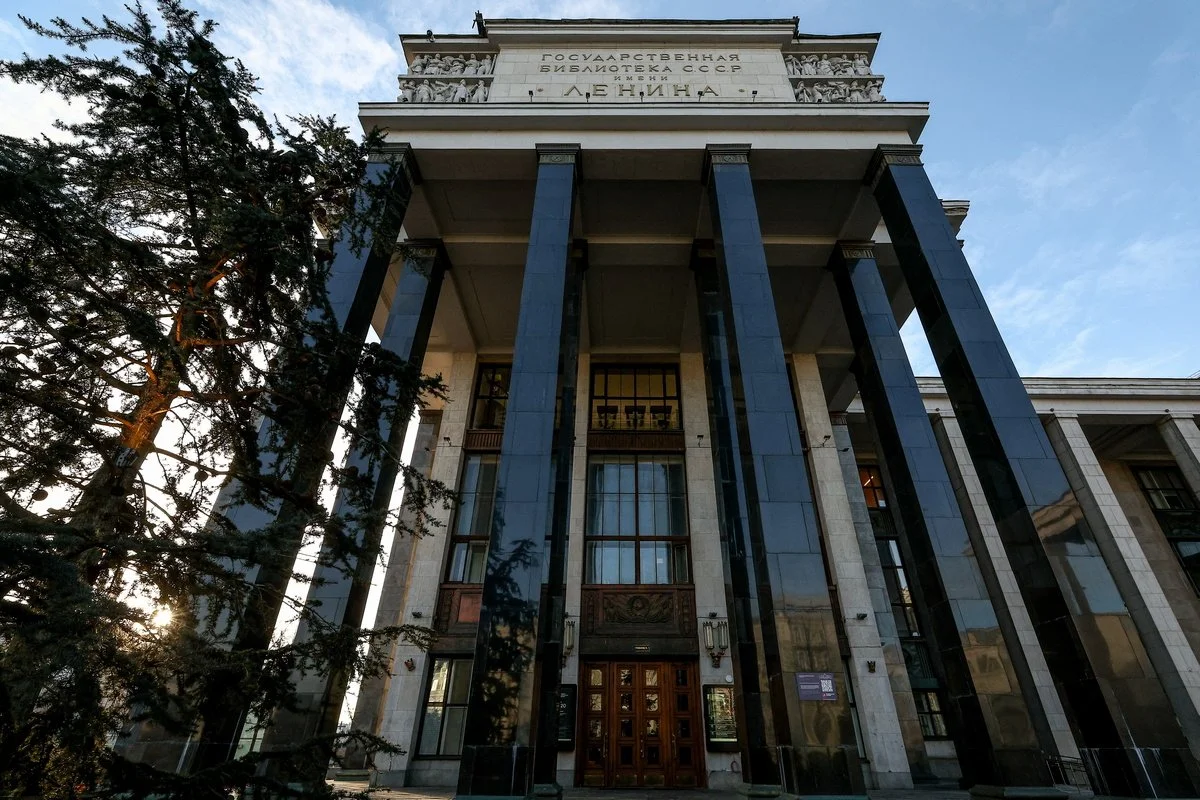
Ministry of Culture of the Russian Federation says the Russian State Library is creating a restricted repository for literature classified as “destructive,” particularly books supplied to libraries through foreign organisations such as the Soros Foundation. Libraries are also being directed to prioritise ministry-recommended patriotic, historical and children’s literature, supported by substantial federal funding. Books involving authors, translators or illustrators designated as “foreign agents” must be marked 18+, separated from children, and excluded from exhibitions and educational events; booksellers may face significant fines for violations. The initiative resembles the Soviet spetskhran system, under which politically unacceptable literature was kept in closed collections accessible only to approved readers.
RIGRI’s comment: The policy shows the state actively constructing Russian civic identity by defining oppositional or otherwise nonconforming literature as a threat. Emphasis on “historical territories” also links cultural control to the government’s territorial and historical narratives. The revival of the spetskhran concept suggests continuity with Soviet methods of ideological management.
2026: "Research Result" Sociology and Management, Volume 12, Issue No. 3: Religiosity and social beliefs of the population
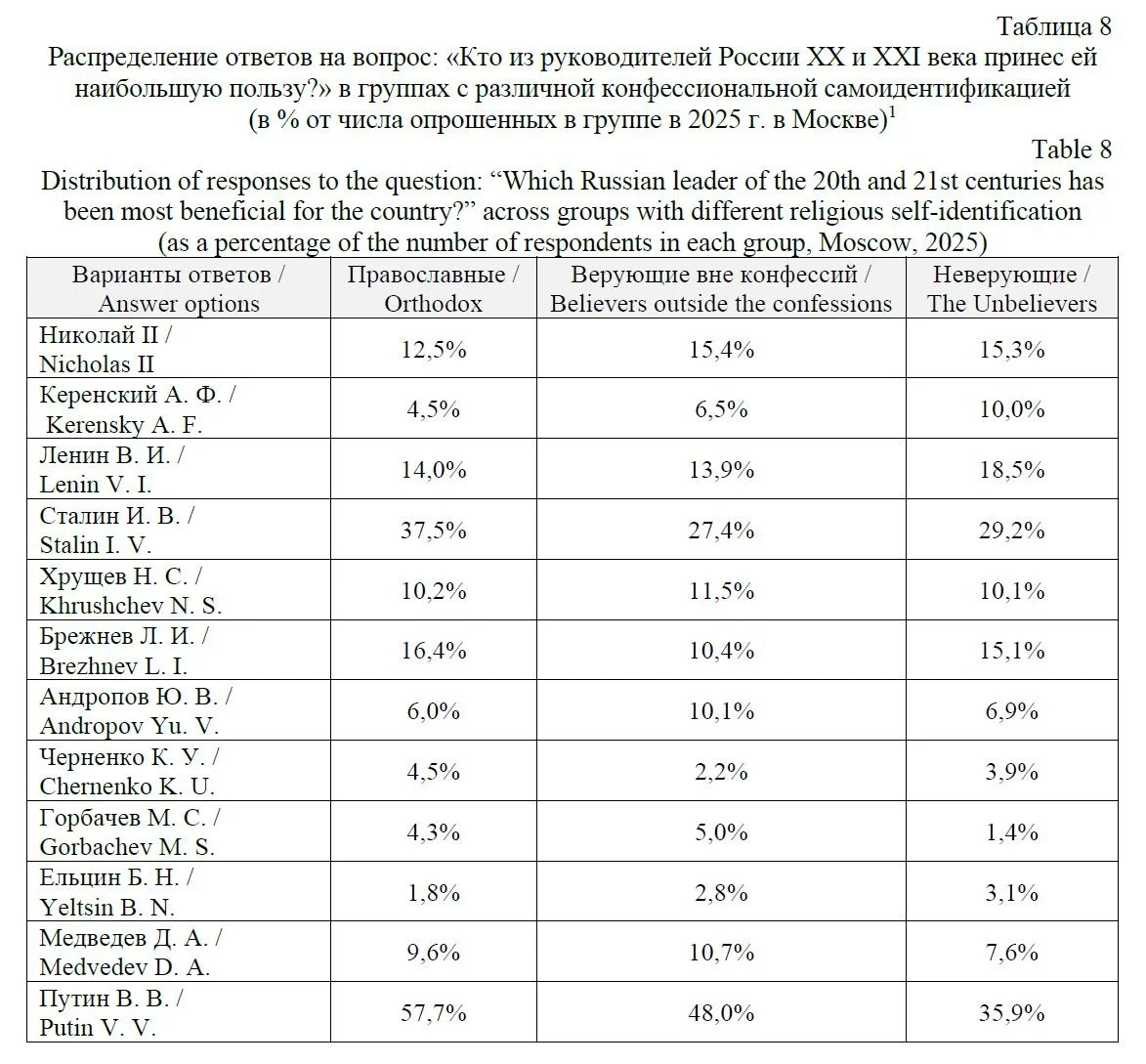
Using representative surveys conducted across Russian regions between 2008 and 2025, the authors compare civic and political attitudes among groups with different degrees of religiosity.
Most groups share broadly similar priorities: security, human rights, social justice and public order, although stronger religiosity is associated with greater support for patriotism, spirituality and Russian citizenship, as well as less support for radical political change. The authors conclude that this broad value convergence may promote social cohesion, while presenting the Soviet era in opposition to other periods of Russian history is counterproductive to national unity. In the 2025 Moscow survey, Stalin was judged beneficial far more often than Nicholas II in every group: 37.5% versus 12.5% among Orthodox respondents, 27.4% versus 15.4% among non-affiliated believers, and 29.2% versus 15.3% among non-believers. Stalin ranked second only to Putin across all three groups, suggesting that his positive image has become broadly normalised rather than remaining confined to a particular religious or ideological constituency.
RIGRI’s comment: Although the authors do not explicitly identify a social-desirability effect, this striking cross-group convergence, amid repeatedly changing official interpretations of Russian history, can be read as evidence that praising Stalin is becoming the new socially acceptable answer. A reminder that, technically, Nicholas II is a saint in Orthodox Christianity, while Stalin is responsible for a campaign of religious persecution, yet Orthodox Christians view the persecutor more favourably than the victim. This reflects the state’s politics of memory and the dominance of Soviet discourse over all others. After all, it was not Stalin whom Putin called “bloody.”
28th June 2026: United Russia’s congress puts Putin, veterans, and “traditional values” at the centre of the 2026 campaign.
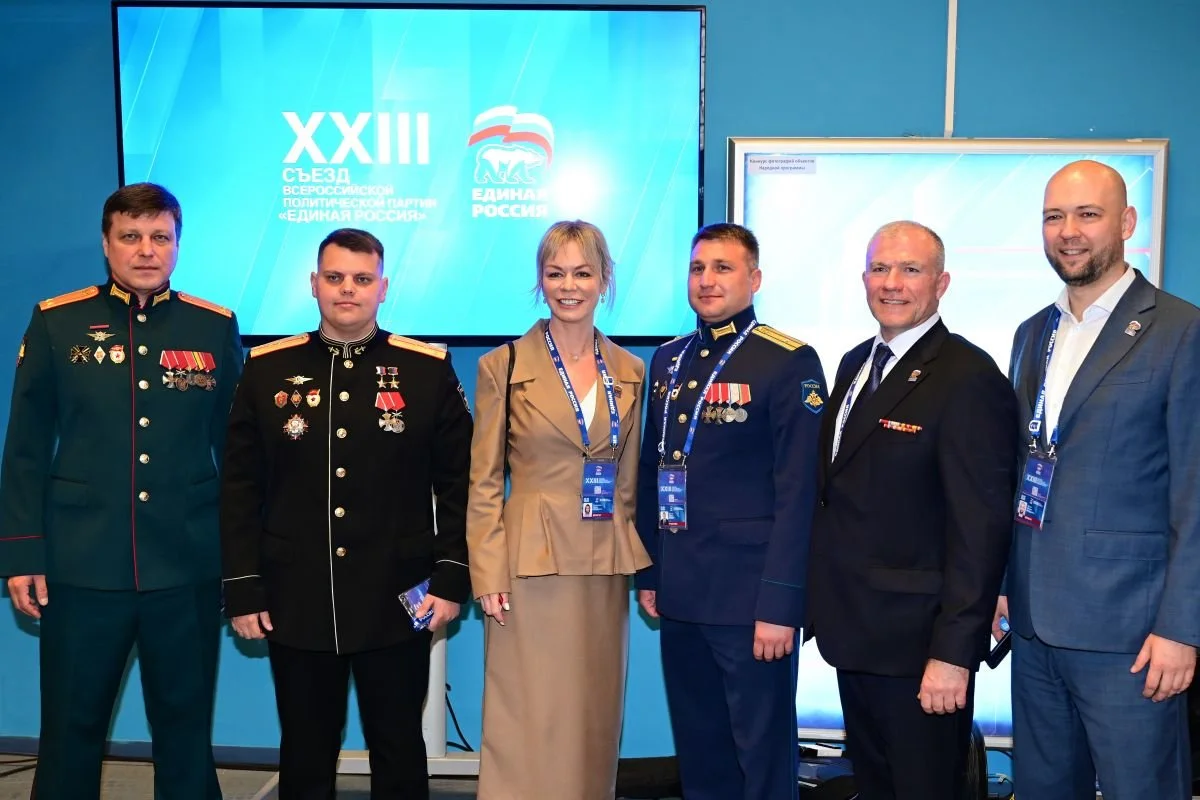
At United Russia’s first-stage congress, the party launched its campaign as the “party of Putin,” adopted a new ideological document, and heard Putin describe the coming election as important for stability under outside pressure. The approved list included 90 veteran candidates, while the federal top five combined establishment figures with a war participant from Yunarmiya, a children’s ombudsman associated with conservative politics, and a pro-war correspondent.
RIGRI’s comment: An attempt to fuse electoral governance with an identity project in which loyalty to Putin is combined with willingness to kill and die for him. “Traditional values” on their own are no longer sufficient. The Kremlin is trying to turn the war into durable electoral capital ahead of the September vote. The trend of war participants gaining political power is accelerating, but has barely reached 1% of total seats contested. Premature to speak about the elite replacement despite the rhetoric.
Weekly Digest 16.06.2026 – 22.06.2026
22 June 2026: Day of Memory and Sorrow ceremonies renewed the Great Patriotic War as the core symbolic language of the Russian Federation.
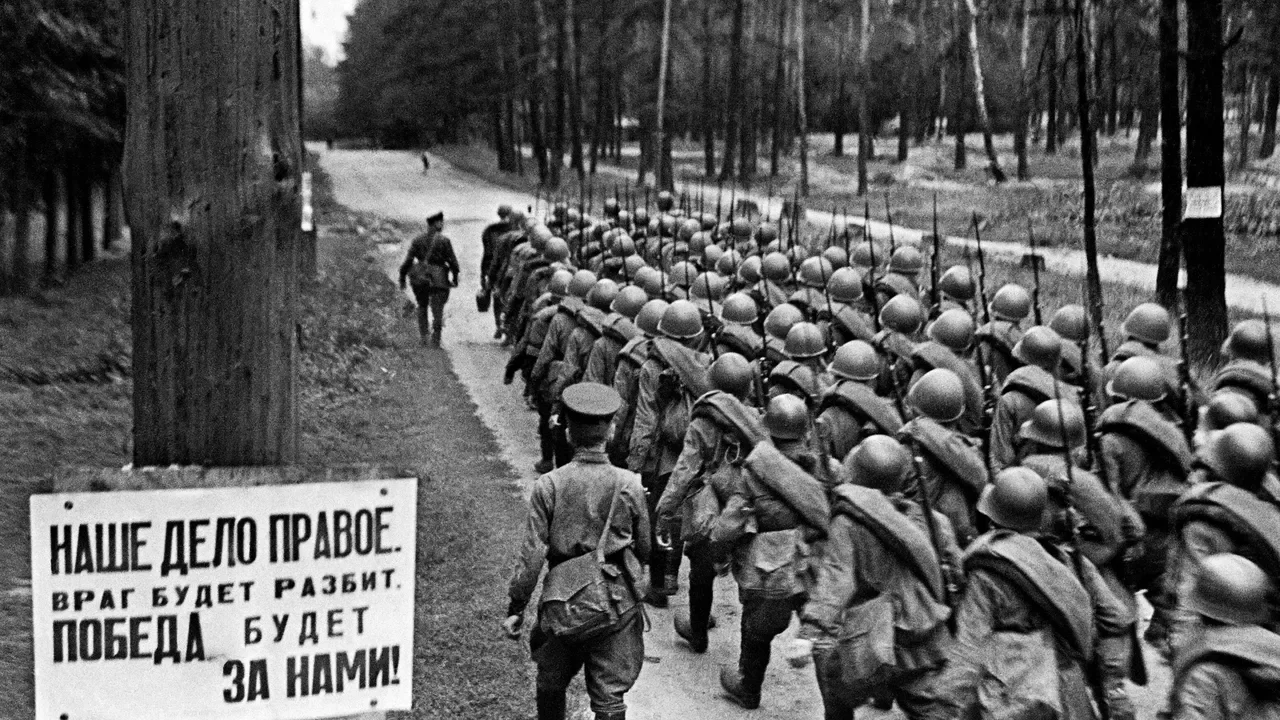
President Vladimir Putin laid a wreath at the Tomb of the Unknown Soldier on the 85th anniversary of the German invasion of the USSR, while Patriarch Kirill took part in parallel commemorative rites, and RIA Novosti amplified expert commentary describing the memory of the war as a foundation of contemporary Russian identity.
RIGRI’s comment: A demonstration of how the state of the Russian Federation and the Russian Orthodox Church continue to anchor legitimacy, patriotism, and historical consciousness in the memory of the Great Patriotic War. The Soviet Union and the WW2 period in particular remain the key identity point for the civic identity the Kremlin is raising, praising the moment of citizens sacrificing themselves for the sovereign state above all other reasons.
21 June 2026: Zakharova recalled that the Poles who fell victim to the UPA were citizens of the USSR.
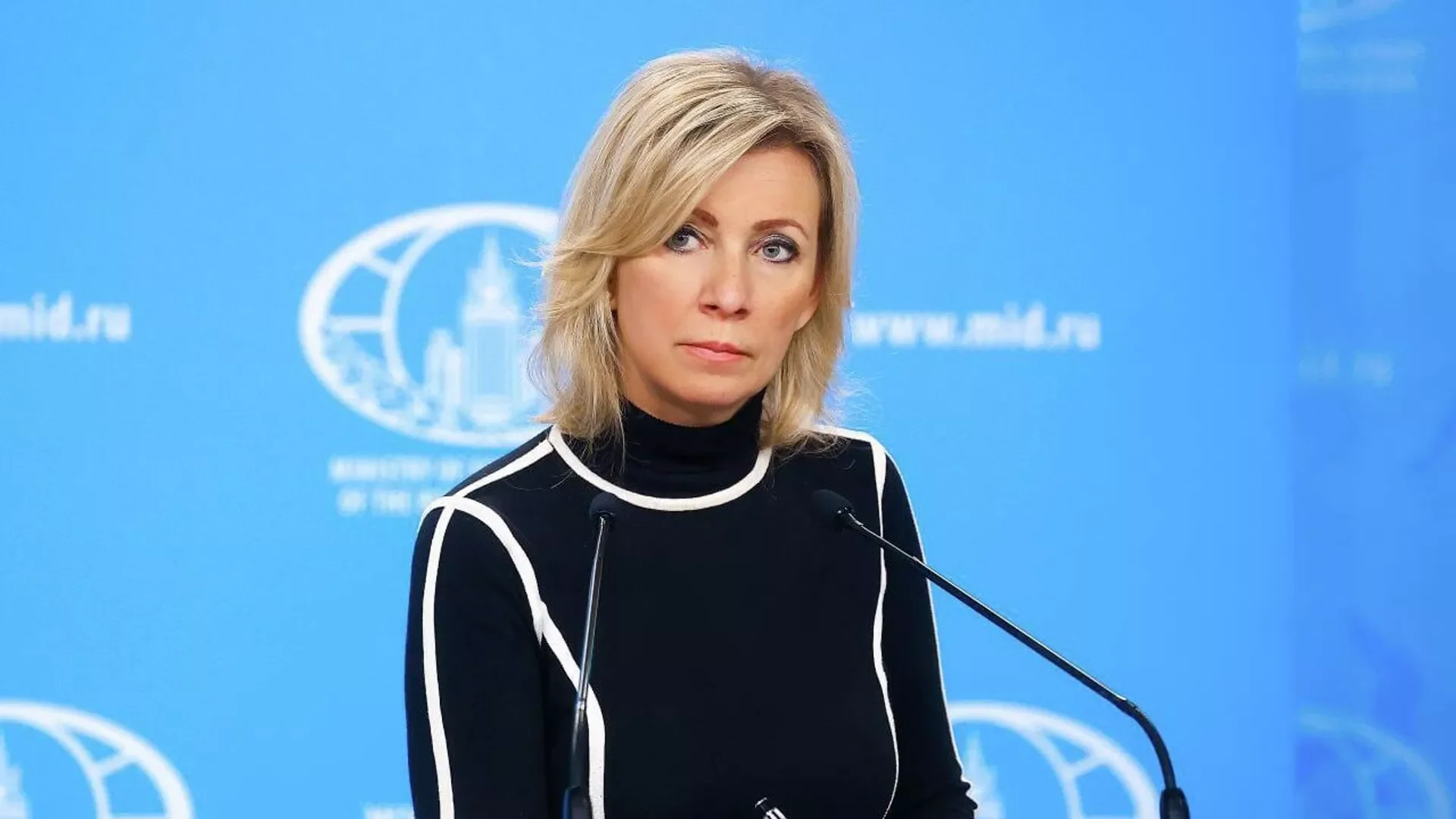
Russian Foreign Ministry spokeswoman Maria Zakharova said that most Polish victims of the Ukrainian Insurgent Army during the 1943-44 Volhynian massacres were legally Soviet citizens from November 1939. Her remarks followed Polish President Karol Nawrocki’s reported decision to strip Volodymyr Zelenskyy of the Order of the White Eagle over what he described as the glorification of UPA figures. Interpretations of the massacres and attitudes toward Ukrainian nationalist leaders remain a major source of tension between Poland and Ukraine.
RIGRI’s comment: This is a clear example of how the Russian Federation remains anchored in Soviet historical narratives, prioritising symbolic claims about the past over present-day diplomatic interests, trying to appropriate victims as Soviet. Such fixation has made the Russian Federation unable to benefit from the current scandal and exploit it.
19 June 2026: The state film system backed 23 “national films,” many of them rooted in historical memory, folklore, and canonical children’s culture.
The Russian Federation’s Cinema Fund has selected 23 national film projects to receive production support. The recipients include Nikita Mikhalkov’s TriTe studio for The Battle of Kulikovo and The Snow Queen, alongside projects such as Cinderella, Dunno, Kholop 3, Umka and The Nutcracker. Funding will be distributed among ten leading Russian production companies, including VBD Group, Central Partnership, MEM, PROFIT and STV.
RIGRI’s comment: By selecting movies it chooses to sponsor, the Kremlin is shaping the mass culture. Greenlit films are primarily family-oriented movies, with one in five films covering historical events. For now, the Kremlin is maintaining a policy of public reassurance, normality, and non-politization in films.
16 June 2026: Putin formally launched the State Duma election cycle, and the CEC turned it into a three-day vote that will include the territories Moscow calls Donbas and Novorossiya.
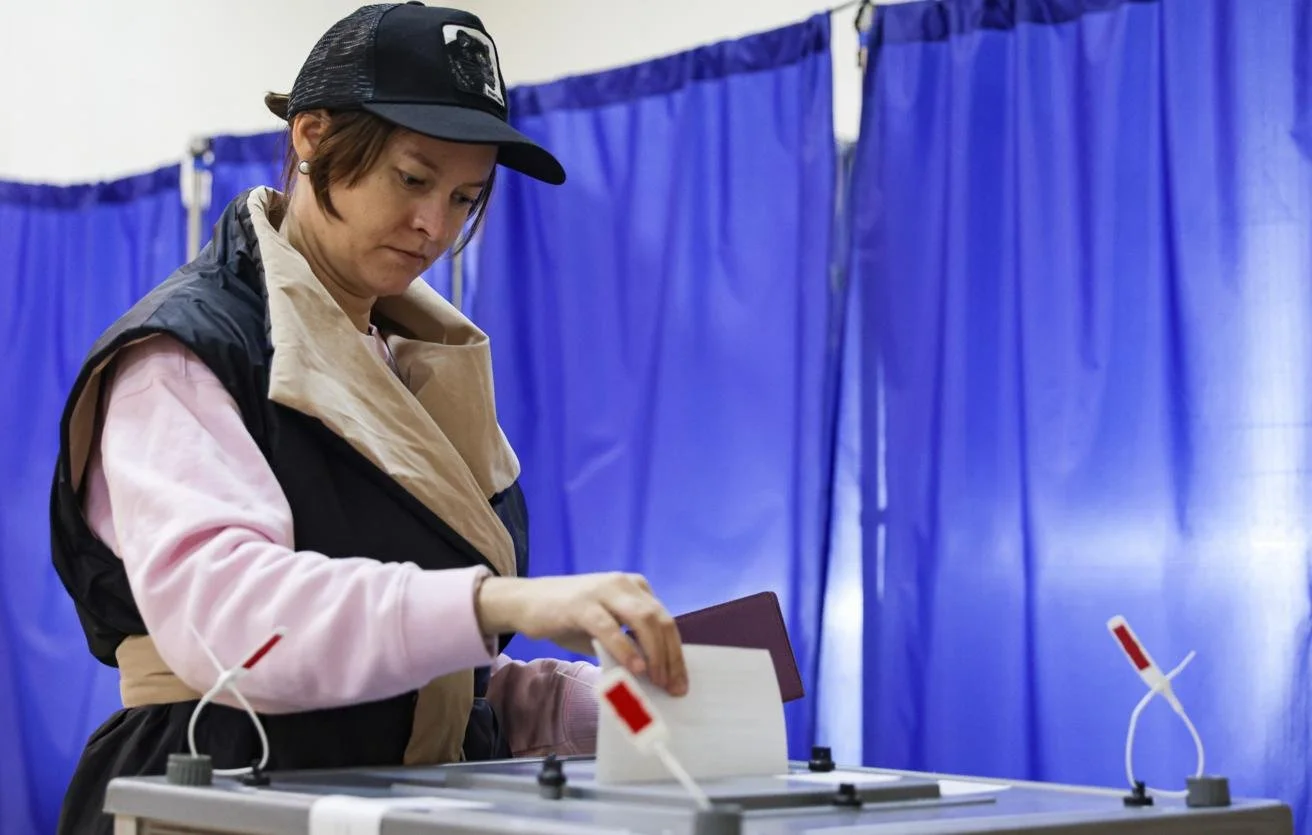
Putin signed the decree scheduling elections to the new State Duma for 20 September 2026. The next day, the Central Election Commission proposed and approved three-day voting from 18 to 20 September. This would be the first Duma election in which residents of Donbas and Novorossiya/post-2022 occupied regions would participate.
RIGRI’s comment: The electoral calendar was explicitly tied to the incorporation of annexed territories into the Russian Federation’s institutional life. It also confirmed that the authorities will again use the multi-day voting format that maximises administrative control over the electoral process. Expect higher than average voting results in ‘new territories.’
Weekly Digest 09.06.2026 – 15.06.2026
15th June 2026: Artist Skrepetsky was killed in Poland. He criticised the Russian government, the opposition, and Ukraine.
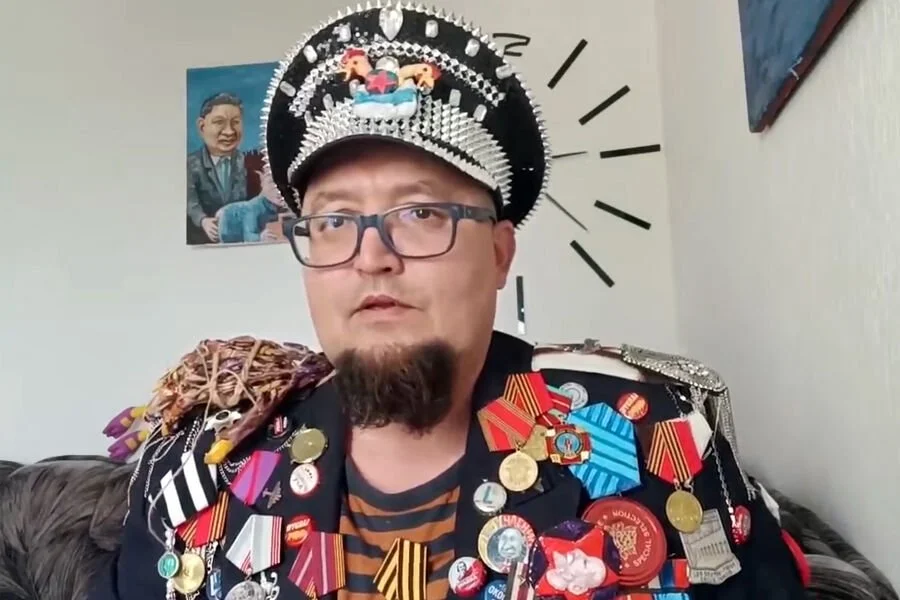
A Russia-born artist and opposition blogger, Semyon Skrepetsky (Robert Kuzovkov) was shot dead on 15 June in Biała Podlaska, Poland. Polish police detained two people, reportedly Belarusian citizens, but said the main suspected shooter has not yet been arrested. Investigators are reportedly considering a political motive, with Polish media describing the killing as a possible “execution” linked to Skrepetsky’s criticism of Vladimir Putin. Skrepetsky was known for satirical cartoons and performances attacking Russian authorities, but also criticised Russian opposition figures and Ukraine.
RIGRI’s comment: Without any comments on his caricatures (that represent his opinion solely), his murder indicates that Europe is not a completely safe place for refugees.
12th June 2026: Kremlin marks Russia Day with state prizes and a meeting with SVO servicemen
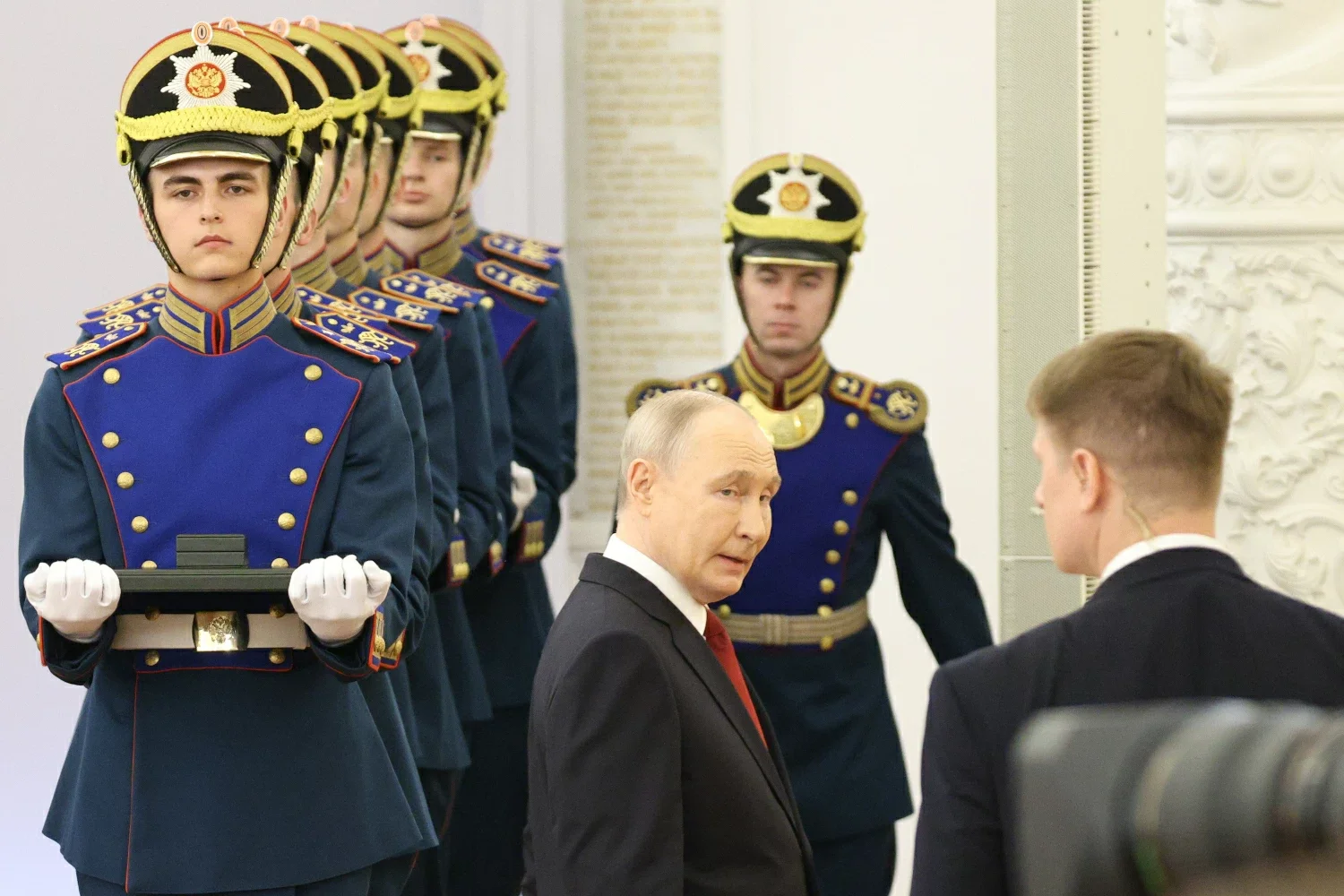
On Russia Day, Vladimir Putin presided over the award of Hero of Labour medals and 2025 State Prizes in the Kremlin’s St George Hall. The same day, he held a Kremlin meeting with participants in the “special military operation.” Read together, the official programme placed cultural accomplishment, labour merit, and wartime service within one state-liturgical sequence.
RIGRI’s comment: This was the week’s clearest expression of official Russian identity. Russia Day was used not merely as a sovereignty holiday but as a ritual in which the state presented the worthy Russian citizen as simultaneously cultured, productive, and war-serving. It also showed how governance now legitimises itself through symbolic choreography as much as through legislation.
10th June 2026: Official summary of the 2025 national policy report and FADN (Federal Agency for Ethnic Affairs) publication of the report
The official summary of the 2025 state report on national policy highlighted two headline figures: an “all-Russian civic identity” level of 93.9 percent and a positive assessment of the interethnic atmosphere by 84.2 percent of respondents. The same official pages place this reporting within the transition to the new strategy of state national policy through 2036. In other words, the state did not just describe identity; it measured it, benchmarked it, and folded it into a strategic policy apparatus.
RIGRI’s comment: The report shows that the Russian state treats civic belonging, interethnic harmony, and the management of the multinational polity as measurable governance outputs. That makes identity not only a cultural question but also an administrative one. Such statistics, however, do not reflect the true state of interethnic relations within society. This report aims to show that the official ideology of Putin’s regime, namely, imperial multiculturalism rooted in the Soviet past, has achieved at least some degree of success.
10th June 2026: The Sevastopol panorama museum is struck during a drone attack
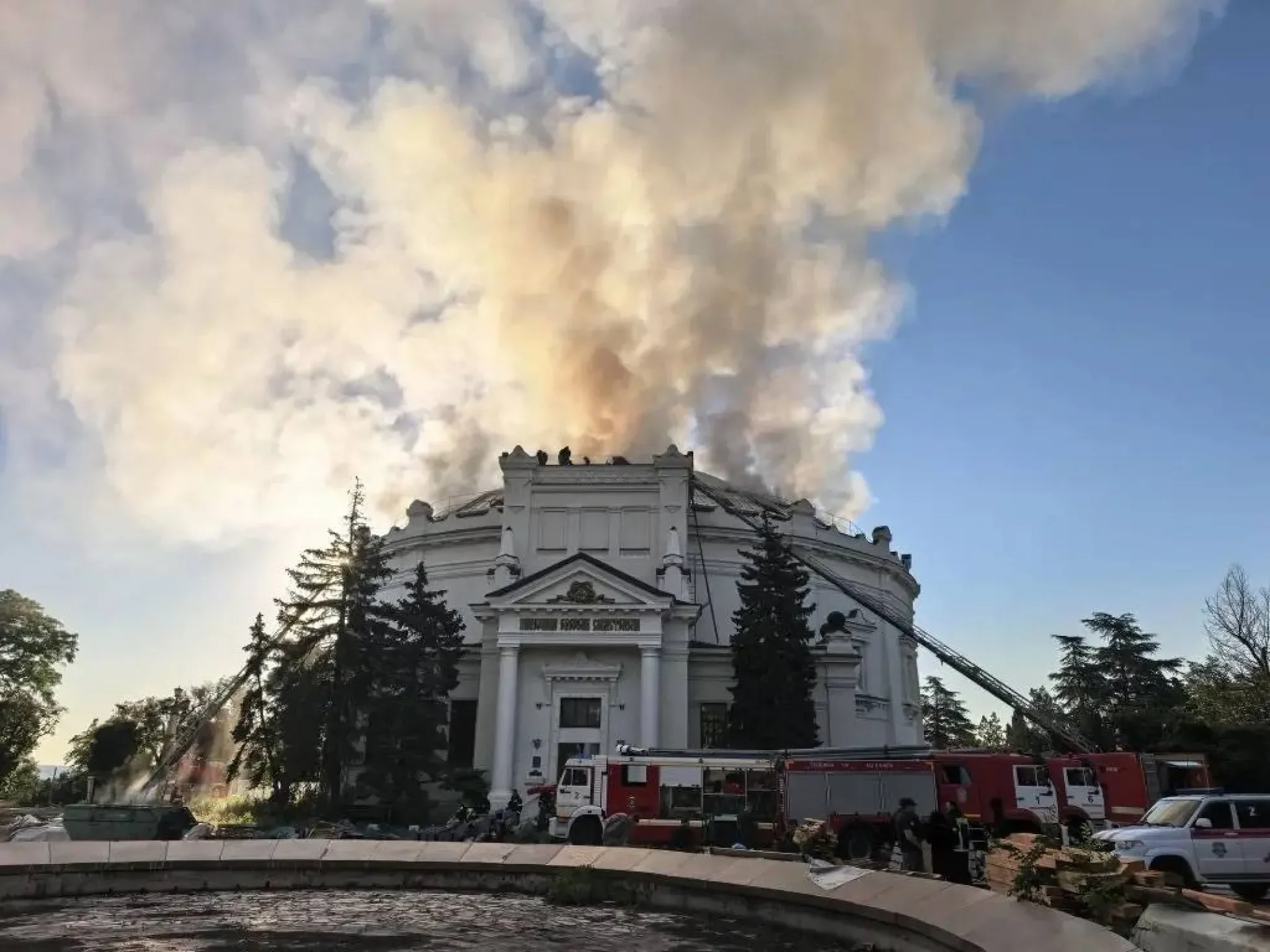
Local authorities said that a drone strike caused major damage to the museum-panorama “The Defence of Sevastopol 1854–1855,” one of the city’s central memory sites. The report has also noted an important nuance: the exact condition of the displayed canvas was initially unclear, and original fragments from Franz Roubaud’s work were not stored there. By 11th June, the fire had been extinguished after roughly a day, and by 15th June Sergei Naryshkin was publicly framing the attack as proof of a threat to Russian culture and historical memory.
RIGRI’s comment: Sevastopol occupies a privileged place in Russian imperial, Soviet, and post-Soviet memory, serving as a crown jewel of opposing the ‘liberal world order’. Damage to a monument linking the Crimean War, the cult of the “hero city,” is presented as an insult that demands compensation in the form of striking Ukraine’s key cultural objects. All that destruction for an image they cannot agree is the original and not a copy.
Weekly Digest 02.06.2026 – 08.06.2026
5th June 2026: The prospects for Russia's cultural code were discussed at the SPIEF.
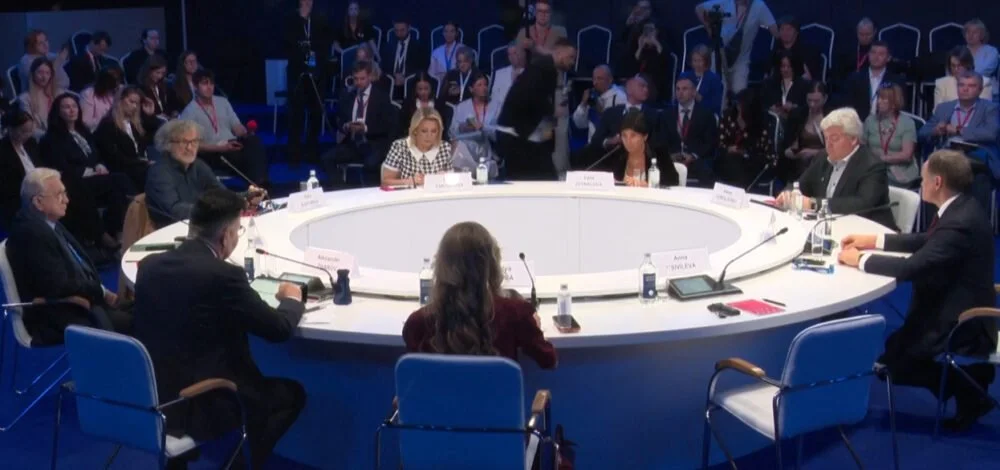
At a SPIEF session on Russia’s “cultural code,” Gazprom-Media head Alexander Zharov said the key question is how Russian identity should be expressed in an era of digital technologies, social media, and short videos. He presented research from 36 Russian cities identifying the core traits of the “Russian person” as justice, even when it may conflict with the letter of the law; resilience, meaning both defending one’s position and finding a way out of impossible situations; and breadth of soul, linked to hospitality, generosity, and patience. Other speakers mostly discussed how Russia’s cultural code should be promoted abroad, but Zharov’s statement is the clearest attempt in the article to define its internal moral content.
RIGRI’s comment: The current leadership of the Russian Federation does not want to define ‘Russian’ as an ethnic background of citizenship. Currently, the ideology creation process involves a project where loyalty to the state, willingness to endure the state’s actions, and the state being the arbiter of justice that precedes written law. If they can successfully create such a belief system, they are hoping to export these values abroad as a competitor to the liberal democracy.
4th-5th June 2026: Putin and others use SPIEF to restate a hardline wartime line on Ukraine.
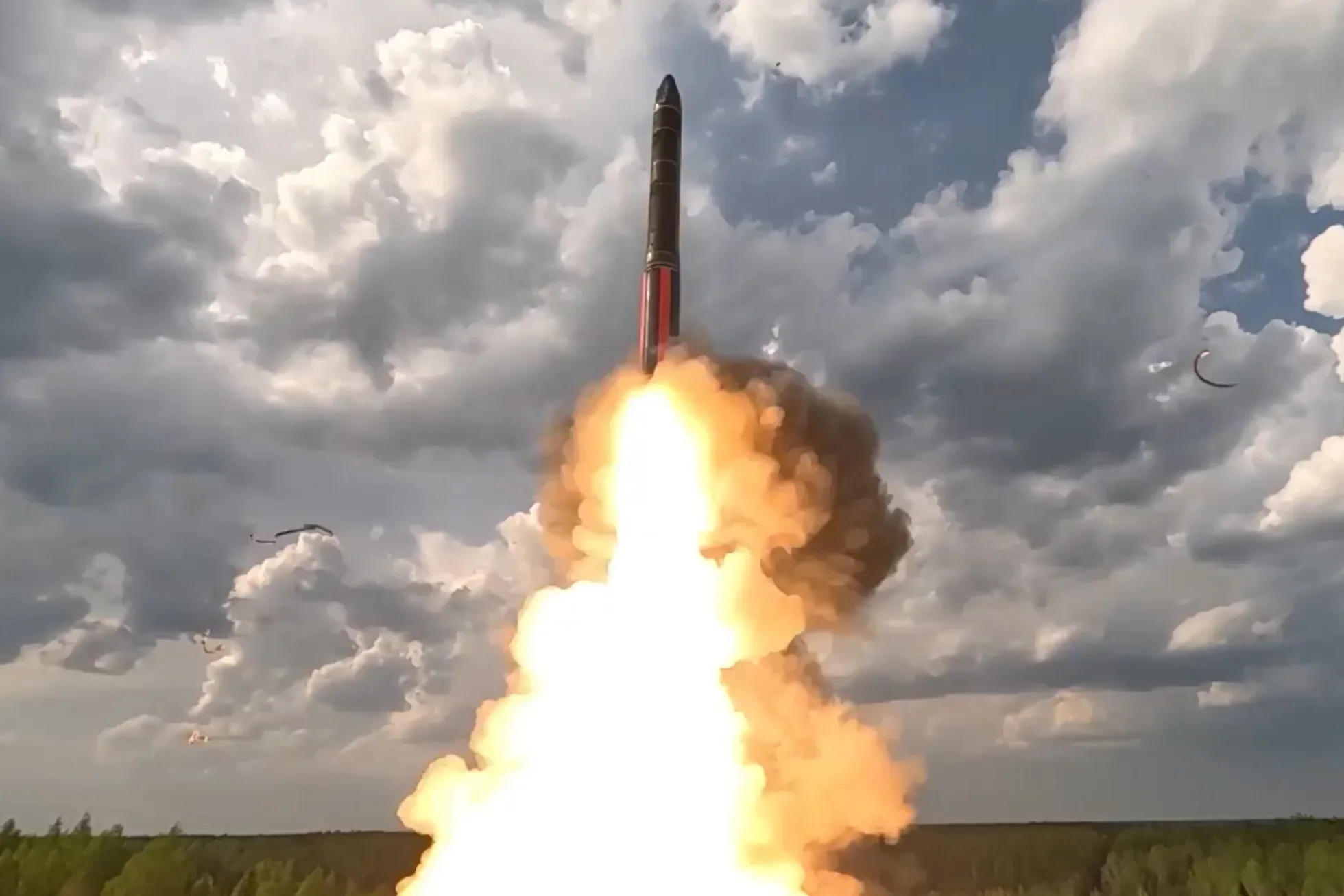
Speaking around SPIEF on 4–5 June, Putin said negotiations over Ukraine do not require a suspension of hostilities and later said he currently saw no reason to meet Volodymyr Zelensky directly. He also argued that attacks on Russian infrastructure impose costs and therefore require stronger security. While another SPIEF speaker Konstantin Malofeev, founder of Tsargrad, presented a report at the St. Petersburg Economic Forum outlining three possible futures for Russia: inertial, bad, and “good.” In the report’s “good” scenario, Russia uses nuclear weapons by 2036, the EU collapses, Kyiv and Odesa are captured, Ukraine is fully subordinated, and by 2050 Russia leads a Eurasian macro-region. The “inertial/neutral” scenario predicts a frozen Ukraine conflict and renewed arms race by 2036, followed by U.S. or Chinese hegemony and greater threats to Russia by 2050. The “bad” scenario predicts defeat in Ukraine, Ukraine joining NATO, new regional wars, and ultimately Russia’s “colonisation” and loss of sovereignty.
RIGRI’s comment: The ongoing war still continues to determine the Kremlin’s diplomatic posture and much of its internal security logic. It signals continuity rather than de-escalation, and successful Ukrainian drone attacks do not change this assessment. However, the views voiced by pro-regime intellectuals may not reflect actual policy planning, as the ultimate goal may be to intimidate Ukraine’s European partners and project Russian resilience amid mounting economic and defence-related challenges.
3rd June 2026: State-backed messenger Max disappears from the App Store, and Moscow begins talks for its return.
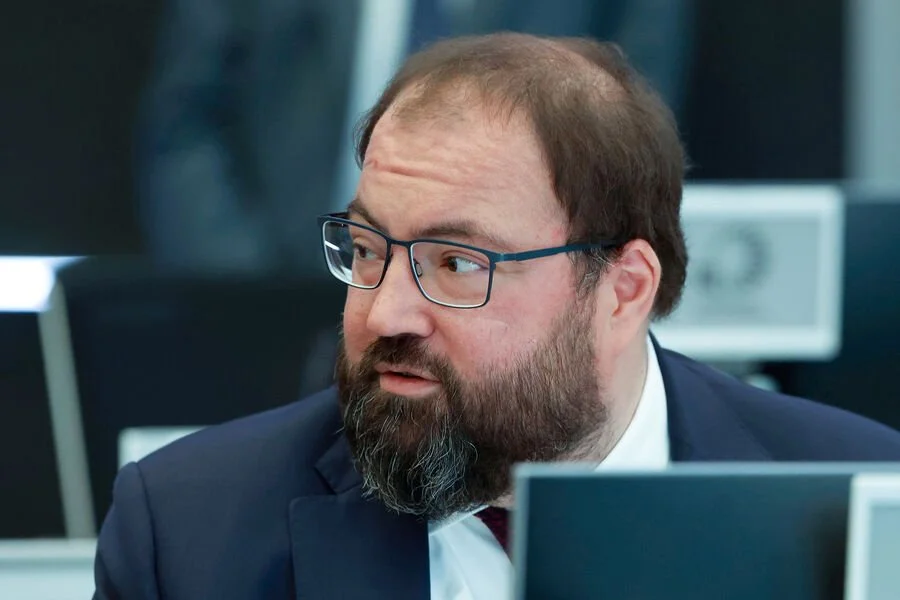
On 3 June, Max disappeared from Apple’s App Store; by 6 June, Digital Minister Maksut Shadayev said the government was negotiating with Apple about restoration. Interfax reported that he said the decision had limited access for more than 20 million Russian iPhone and iPad users, while RBC reported that Apple told the BBC the removal was related to sanctions; Russian independent media also described Max as a state messenger.
Why it is relevant. This case demonstrates the gap between Russia’s digital-sovereignty rhetoric and the reality. Following the payment restrictions by the Ministry of Digital Development, is there anything Russian Federation can use as a leverage against Apple? Even an official communications ecosystem can remain vulnerable to sanctions and external distribution controls beyond Russian jurisdiction.
2nd June 2026: Putin calls for separate university faculties of Russian language and literature

At the 2 June presidential council on support for the Russian language and the languages of Russia’s peoples, Vladimir Putin called on federal universities to create separate faculties of Russian language and literature, supported a new university module on “Russian as the state language,” and backed the revival of the Russian Pushkin Society. The same policy cluster included instructions to organise children’s camp sessions on Russian language and literature, ensure financing for state language policy, move forward with unified textbooks for Russian language and literature in grades 10–11 and vocational education, and introduce annual scholarships from 1 September 2026 for 10 students and 10 postgraduates; these steps sit alongside the government’s broader 120-measure language-policy plan approved in late May.
RIGRI’s comment: The use of the Russian language is the only part of a Russian identity mentioned in a constitution. With the language being spoken by the absolute majority of the population of the Russian Federation, such a call for boosting Russian language studies is unlikely to further increase the societal cohesion and seems like a random Putin’s desire.
2nd June 2026: Citizenship applicants must provide criminal-record certificates, while Ukrainians are exempted from that requirement until 2028.
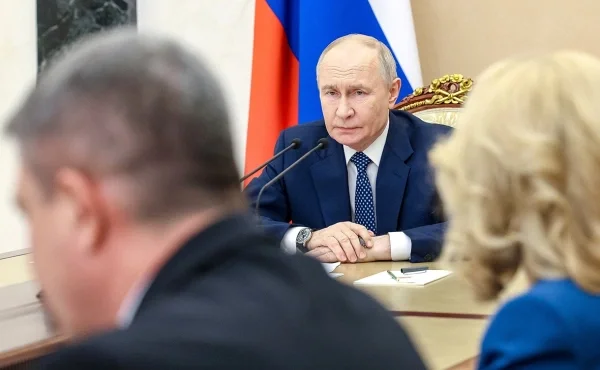
On 2 June, Vladimir Putin changed citizenship procedure rules so that applicants for Russian citizenship must submit a document confirming the absence of a criminal record, or listing convictions, issued no earlier than three months before the application. At the same time, a separate decree exempted Ukrainian citizens, and stateless persons who had permanently resided in Ukraine and moved to Russia, from presenting that document until 1 January 2028.
RIGRI’s comment: Civic identity- Rossiyanin/Russovian remains the clearest legal boundaries of Russian identity accessible for migrants. The change combined stricter screening for most applicants with a continued preferential channel for Ukrainians entering Russian Federation area of control, showing that passport policy is being used simultaneously as a security filter and a nation-building instrument.